
In brief
As the January 6, 2021 attack on the Capitol remains vivid in the minds of law enforcement, recent pardons issued by President Trump to rioters have reignited the wounds for many officers involved. Aquilino Gonell and other Capitol police reflect on their injuries and the challenges they face, highlighting the societal pushback against their experiences and the ongoing narrative surrounding the events of that day.
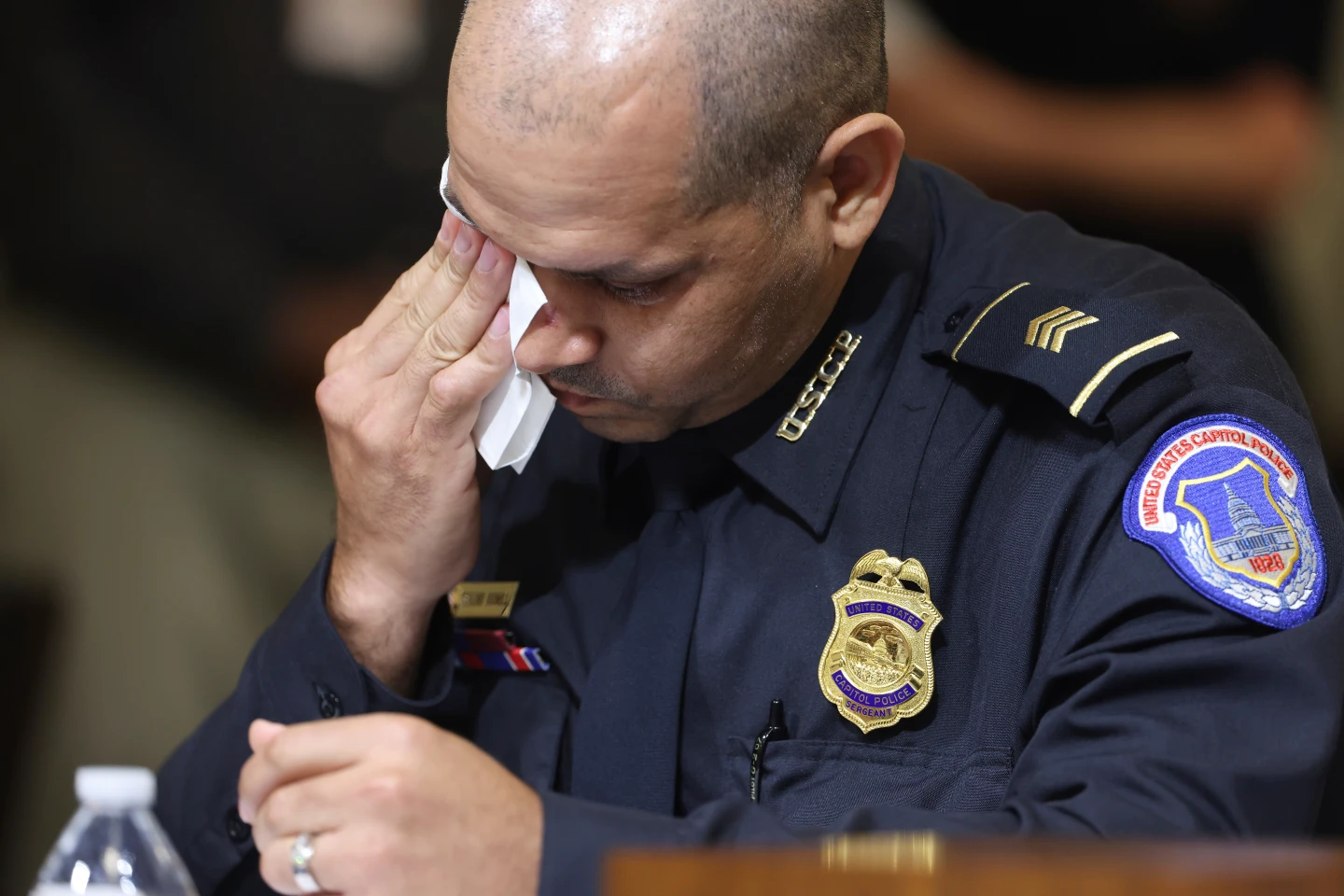
WASHINGTON – In a distinct reflection of the continuing impact from the January 6th insurrection, Aquilino Gonell, a former Capitol Police officer, has shared his emotions and experiences following President Donald Trump’s second inauguration where approximately 1,500 pardons were issued to those involved in the Capitol riot. These included individuals who Gonell directly testified against.
Following a day spent away from media, Gonell received multiple notifications indicating the release of individuals who had injured him. They told me that people I testified against were being released from prison, he recounted, showcasing the turmoil these officers face, not just physically but emotionally as well.
Many of these officers, like Gonell, are still navigating their mental health struggles stemming from their experiences on that day. The insurrection led to numerous injuries, and despite healing, memories of trauma linger. They have tried to erase what I did with the pardons, Gonell stated. I lost my career, my health, and I’ve been trying to get my life back.”
Officer Daniel Hodges of the Metropolitan Police echoed this sentiment, reflecting on the anger felt not only from physical injuries sustained but also towards the narrative being crafted around the events of January 6th.
A lot of things are getting worse, Hodges said, highlighting the complexities of coping with the aftermath in light of the contrasting perspectives held by some members of the public and even fellow officers regarding the perceived severity of the events.
The ongoing challenges of acceptance and validation impact the psyche of those who stood as a bulwark against the riots. With growing calls from lawmakers minimizing the violence experienced, law enforcement finds themselves caught between their duty and societal perception.
Trump's characterization of the rioters as 'patriots' and his focus on pardoning them deepened an already challenging landscape for officers like Gonell and Hodges. This unfavorable narrative amplifies their struggles as they vie for acknowledgment of the seriousness of their experiences. Gonell and others now face an evolving narrative that belittles the occurrences of that day, leading to significant psychological repercussions.
The incident five years ago continues to stir emotions, and as discussions around safety and support persist, the Capitol Police maintain commitment to provide their officers with appropriate resources to cope with such incidents in the future.

