In brief
Following a controversial article alleging a pattern of sexual violence by Israeli security services, the New York Times has received a legal threat from Israeli officials. The newspaper asserts the claim is without merit, emphasizing the importance of independent journalism amidst escalating tensions regarding the reporting on human rights abuses.
The New York Times has maintained its stance following legal threats from Israeli Prime Minister Benjamin Netanyahu regarding an article that alleges sexual assaults against Palestinian detainees by Israeli security services. The newspaper labeled the potential libel action as 'without merit'.
This response emerged after Netanyahu and Foreign Minister Gideon Saar announced plans for a 'defamation lawsuit' against the publication. Their statement accused the New York Times of publishing 'one of the most hideous and distorted lies' in contemporary journalism.
The disputed article claimed there exists a 'pattern of widespread Israeli sexual violence' perpetrated not only by soldiers but also settlers and interrogators. It highlighted testimonies from 14 individuals who reported experiences of sexual assault at the hands of Israeli forces, further asserting that such actions have been effectively normalized within the security apparatus.
Despite the threats, the New York Times expressed its commitment to independent reporting, emphasizing that external pressures aimed at stifling journalism contradict the foundations of media freedoms. A spokesperson mentioned that past instances of legal intimidation are tactics designed to undermine thorough investigative journalism.
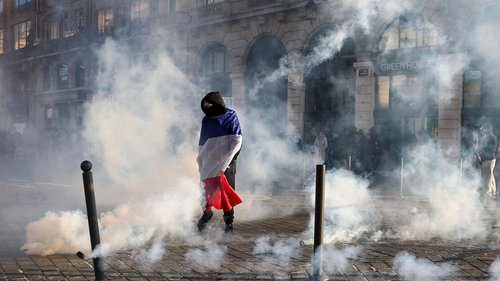
In addition, violent protests erupted in response to the article, with demonstrators in New York City demanding accountability from the paper and calling for the firing of the author, Nicholas Kristof. Amidst these developments, many Jewish community leaders voiced their outrage, labeling the article as irresponsible.
The article's content, including upsetting descriptions of sexual violence, was a significant factor in the backlash. It purportedly included highly disturbing anecdotes, outlined by alleged victims, raising urgent questions about the conduct of the Israeli state regarding human rights and the treatment of detainees.
As the situation evolves, legal experts note that the likelihood of successful defamation claims in Israel is low, largely due to protections around freedom of speech and the responsibility of public discourse. However, if pursued, the case would require the New York Times to demonstrate strict adherence to journalistic standards within a more challenging legal framework than that of the United States.