Myanmar has denied committing genocide against the Rohingya people, insisting that The Gambia has failed to present adequate evidence as it began its defense at the UN's top court.
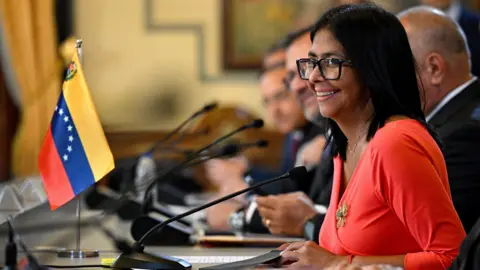
Ko Ko Hlaing, a representative from the Myanmar government, stated during the proceedings at the International Court of Justice (ICJ) that the allegations were unsubstantiated.
Earlier this week, The Gambia's foreign minister, Dawda Jallow, presented the argument that Myanmar aimed to obliterate the minority Muslim population through systematic genocidal policies.
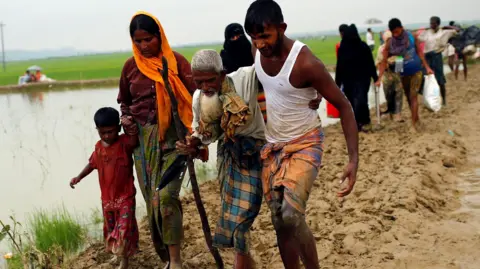
During the military crackdown in 2017, thousands of Rohingya were killed, prompting more than 700,000 to flee to neighboring Bangladesh.
A damning report issued by the UN subsequently called for an investigation into Myanmar's top military figures for genocide in Rakhine state, while Myanmar has persistently rejected these findings. Ko Ko Hlaing emphasized that military operations were based on counter-terrorism tactics and were necessary to ensure national security.
The Gambia launched its case against Myanmar in 2019, motivated by its own experience with military governance. Jallow described the Rohingya's history as marked by prolonged persecution and dehumanizing aggression, culminating in the military's crackdown in 2017.
As Myanmar's defense progresses, the court has scheduled closed sessions to hear from witnesses such as Rohingya survivors, with a final ruling anticipated by the end of 2026.
The implications of this case extend beyond Myanmar, potentially providing a framework for other genocide-related legal proceedings globally, including an ongoing case by South Africa against Israel concerning the situation in Gaza.
The historical context surrounding these allegations is rooted in the 1948 UN Genocide Convention, which defines genocide as actions intending to eradicate, in whole or part, a national, ethnic, racial, or religious group.