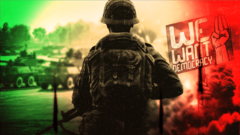
Inside the jungle of Bago and Karen states, the Myanmar military has turned the insurgency into a war of numbers. In 2024, a sweeping conscription policy brought millions of civilians into the army, giving the junta a limitless pool of soldiers while depriving the rebels of new recruits. A BBC report follows four young men – a chef, a karaoke‑lover, a forestry worker and a man framed while getting drugged – who were forced into combat with little choice.
None of the four wanted to enlist, yet once in the military they faced relentless training and unyielding duties. Their voices echo a pattern recognised across the conflict: conscripts are used as expendable cogs, while regular soldiers are afforded a degree of respite. The forced conscription has, paradoxically, allowed the junta to sustain its offensive, while rebels now suffer from weapon shortages and a shrinking army.
The balance of power is being skewed further by advanced technology. Joint forces now field pairs of aircraft and a fleet of drones—an upgrade that relies partly on a recently signed security pact with Russia. Rebel commanders such as Ko Kaung and Da Wa have testified that the army’s air superiority, coupled with its sheer numbers, has become the decisive factor on many fronts.
Behind the numbers are human stories. An injured rebel commander, Kyar Soe, endured two operations after stepping on a landmine, yet remains committed to fight. In field hospitals, seasoned doctors like Dr Saung treat wounded fighters while quivering families wait, hoping for a freer future. One newborn, named Sue Paye, is born under the shadows of war with a promise that her upbringing will encompass both clans—an analogy for hopes of peace.
But the conflict persists. The rebels hope to reclaim towns such as Hpapun, yet they face a 400‑soldier advance from the junta. With limited ammunition and protective gear, their operations are increasingly risky. The Chinese, meanwhile, have tightened weapons supplies to the resistance, further shortening the rebels’ chances of victory.
Infrastructure damage remains rampant. As the military retakes roads and towns, the minidelve, the most dangerous part of the war, could widen. Despite formidable odds, the rebels continue to galvanise new recruits, including the four conscripts who escaped, signifying a stubborn resilience. Their determination underscores the complex reality that while the army grows in numbers, the human cost for countless civilians is ever increasing.