The civil war in Myanmar is evolving with the emergence of “Watermelons,” soldier-spies who are covertly aiding pro-democracy rebels while remaining outwardly loyal to the junta. Recent findings from a comprehensive BBC World Service investigation reveal a military that now controls only 21% of the country, showcasing a rapid decline in its territorial authority amid intense warfare.
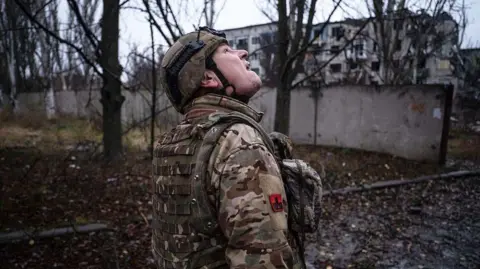
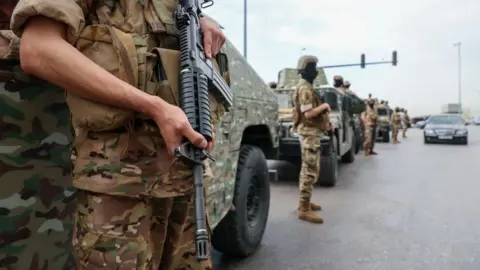
Since the coup in February 2021, a brutal crackdown has led to over 20,000 detentions and thousands of civilian deaths, resulting in widespread disillusionment among military personnel. Disillusionment has driven defectors like Kyaw—who witnessed horrific acts of violence against civilians—to choose espionage over defection, believing that leaking information is a safer way to contribute to the revolution.
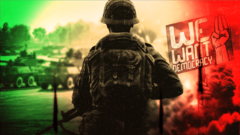
These spies, who blend into the military’s ranks while providing intelligence to the People's Defense Forces (PDF), are heralded for changing the dynamics of the conflict. Watermelons send critical details about military strategies and troop movements, which have enabled enhanced guerrilla activities against the junta. “Win Aung,” another former intelligence officer, indicates that their network continues to grow, aided by social media recruitment efforts, honing calls for defection and betrayal from those within the military.
As the resistance gains strength, maintaining the secrecy of these spies becomes paramount, as watermelons face threats from both the junta and the resistance. Recognition of their significant contributions is promised by leaders like Daeva, a rebel commander who threads strategies from the jungle to suppress military operations.
However, the risks of espionage are immense. Each piece of leaked information can lead to severe retaliation for the spies and their loved ones, as one navy corporal named Moe discovered when his life was endangered by a rebel attack on his ship. The realm of uncertainty looms large; spies live in constant fear of being caught or losing their families during conflict.
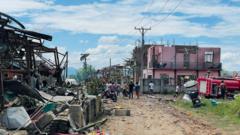
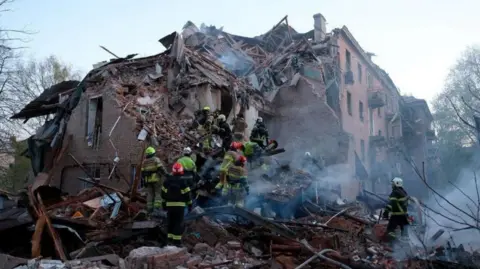
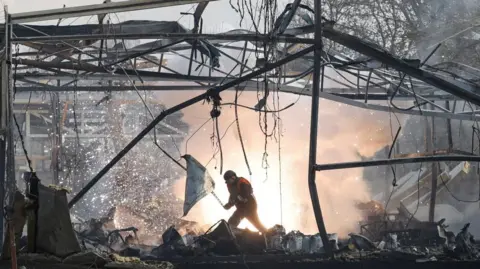
As the military escalates bombings in an attempt to reassert dominance, their brutality intensifies. The international community, represented by sources like UN special rapporteur Tom Andrews, notes the increasing severity of the junta's actions as it loses ground.
Nonetheless, Kyaw and Moe’s stories exemplify a profound shift in allegiance fueled by moral outrage and self-preservation. Balancing loyalty to their families with their fight against oppression becomes a delicate dance. The future remains unpredictable; however, reliable intelligence from soldier-spies fosters hope among resistance fighters as they strive for a new day in Myanmar.