In brief
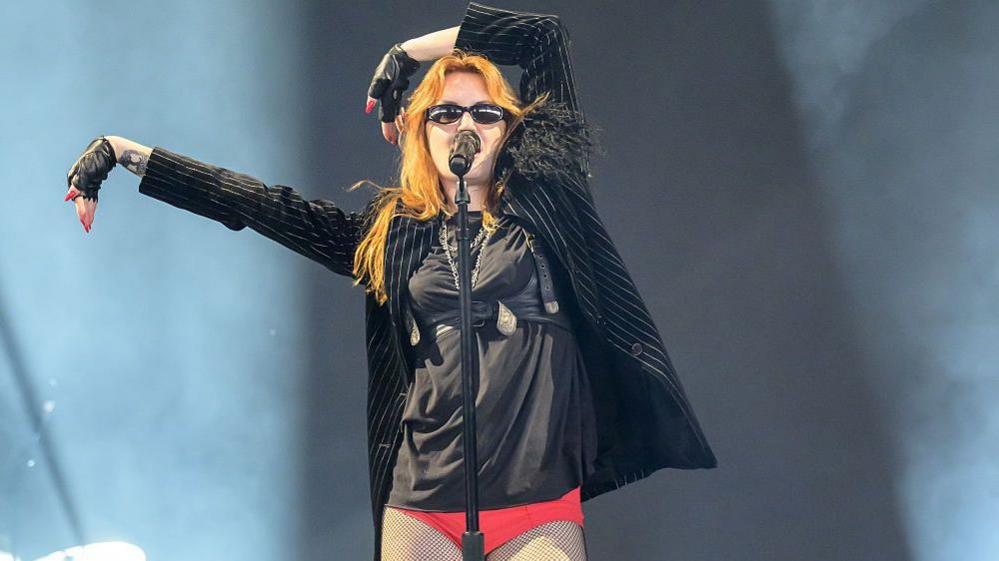
Los Angeles trio Muna was thrust into chaos when they flew from London to Las Vegas for a pet‑adoption festival, only to find an acoustic set, no sound engineer and a chorus of howling dogs. The band admitted the gig was a disaster—forgotten amps, flailing guitars and a vocal implosion that turned the audience into a howl‑infested crowd. Yet, the story became an emblem of their growth, proving that even the lowest notes can echo the strength of a band’s bond. Muna’s perseverance through that night propelled them from niche indie sparks to chart‑challenging performers, catching the attention of pop icons like Harry Styles and Taylor Swift and garnering a record deal through Phoebe Bridgers’s label. Their raw honesty about mishaps underscores the band’s journey—from momentary failure to powerful, community‑driven music that champions queer identity and global solidarity.
When the headline announced that LA trio Muna would perform at a pet‑adoption festival in Las Vegas, everyone assumed a smooth, charity‑led showcase. In reality, the band was shuddering in the wings, circles of howling dogs announcing the true chaos of the evening.
Guitarist Josette Maskin remembered the day as “sick” before the show, with “no sound guy” and a guitar that kept feeding back. The mix of that acoustic set and the animal audience turned the venue into a sonic nightmare.
Singer Katie Gavin called the noise an “unholy screech,” while Maskin described the dogs as “getting upset” and howling the whole time. The band “was mortified,” but the memory now reeks of humor and camaraderie.
From that disastrous gig, Muna progressed into a chart‑climbing, fan‑loving phenomenon. Their debut album, signed by Phoebe Bridgers’s Saddest Factory, pushed their sound beyond indie pop into a more inclusive queer pop territory.
Track highlights include “I Know A Place,” a tender rejoinder to the Pulse nightclub tragedy; “Stayaway,” where Gavin shuns temptation; and “Big Stick,” a scathing critique of America’s militarisation – all branded as “political” and “emotional releases.”
The band’s ambition has grown from small clubs to major arenas. Their UK tour announced in November will feature their biggest venues to date, turning a once‑puzzled night into a powerhouse performance.
Muna’s own narrative captures the shifting of queer identity from the fringes into mainstream conversation – a renewal that the band embraces through universal, human‑focused writing.
Any further disasters at a dog‑gong show? Probably not. But as always, Muna’s story ends on a flourish: “If anyone can do it, we can.”