JACKSON, Miss. — The glass panels of the Lynching Victims Monolith, engraved with the names of over 600 documented victims of racial killings in Mississippi, serve as a stark reminder of the state’s violent history. One example is Malcolm Wright, who was beaten to death in 1949 for 'hogging the road' with his slow-moving mule-drawn wagon.
The panels form part of the Mississippi Civil Rights Museum and the adjoining Museum of Mississippi History, which together make up a significant part of the state's America 250 celebration. 'That's just the people that we know about,' remarked Kiama Johnson, visiting from Louisiana, reflecting on the many untold victims.
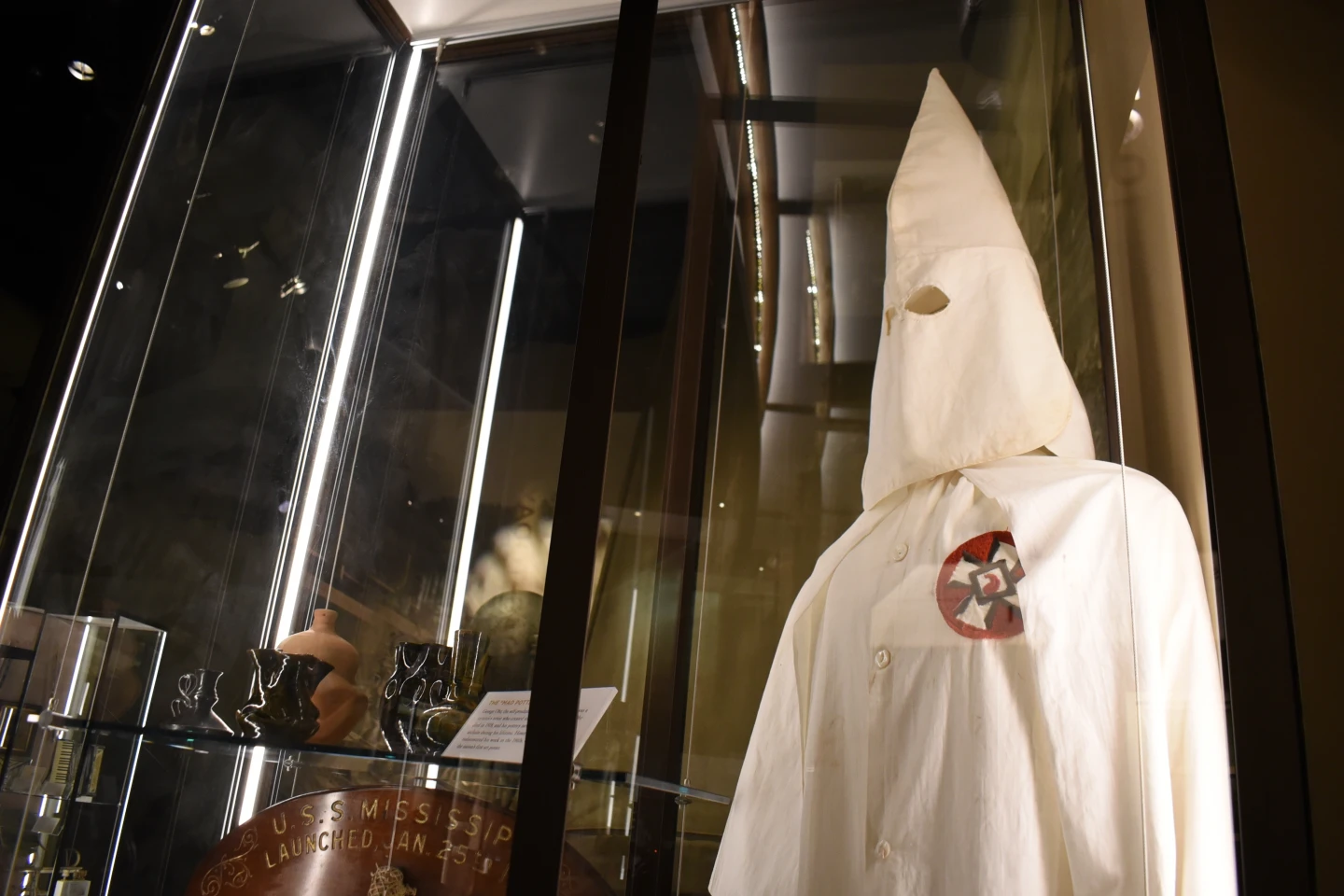
Mississippi is taking a warts-and-all approach in its commemoration, contrasting national efforts led by the Trump administration to soften narratives of America's racial history. This contrasts with current federal guidelines that promote a sanitized version of history, evident in executive orders and changes to federal exhibits.
Director of collections, Nan Prince, emphasized the need to tell the complete truth: 'Don't brush over anything, don't whitewash anything.' This dedication was echoed by leaders like Jackson Mayor John Horhn, who have pushed for acknowledging the full story of the state's history.
Mississippi's efforts include exhibits like 'Mississippi Made,' showcasing state achievements while confronting its darker past involving Native Americans and slavery. 'We weren’t going to hide anything,' said former Governor Haley Barbour, reflecting on the commitment to truthfulness in their history.
Visitors experience an abundance of emotional moments within the museums. The Civil Rights Museum invites reflection on iconic events like the murder of Emmett Till, a pivotal moment in the Civil Rights Movement that highlighted the gruesome realities of racial violence in America.
For this anniversary celebration, Mississippi leaders champion a genuine narrative of history, asking its citizens to confront the past and recognize the progress that has been made while acknowledging the road ahead is still fraught with challenges. Through museum exhibits that tell both storied achievements and painful histories, Mississippi seeks to embody the real American story — complex, difficult, and undeniably important.