In brief
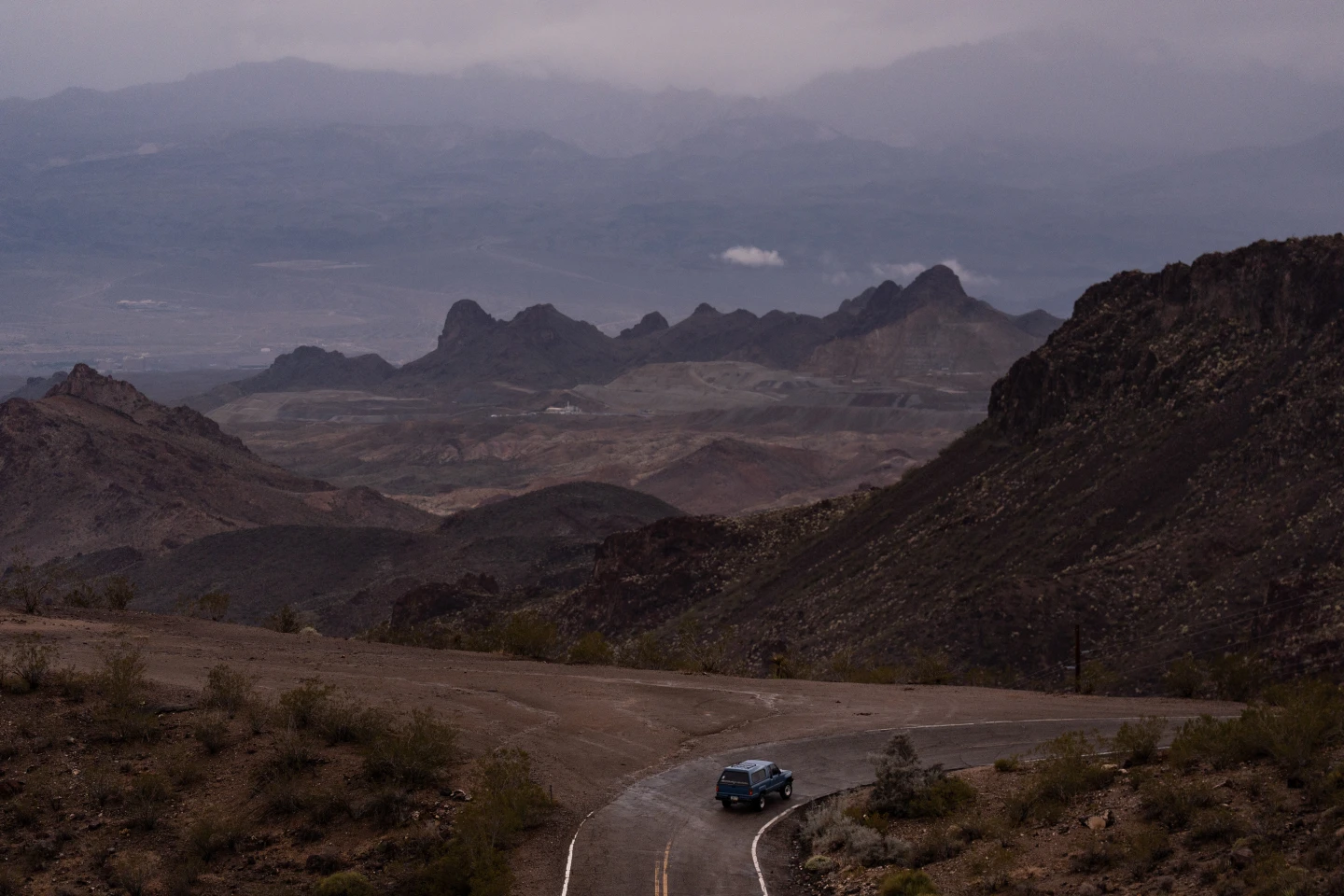
Route 66, known as the Mother Road, marks its 100th anniversary this year. Once a crucial artery of American transportation, it embodies the spirit of freedom and adventure. From its origins as a connection between the Midwest and the West Coast to its role in the Dust Bowl migration and the post-war boom, Route 66 continues to attract travelers seeking nostalgia and a taste of Americana amidst neon lights and quirky roadside attractions.
ALBUQUERQUE, N.M. — There are quicker routes from Chicago to Los Angeles, but none captures the heart of American culture like Route 66.
John Steinbeck famously dubbed it the Mother Road during the Dust Bowl, when impoverished farmers sought a brighter future in California. For Native Americans, it opened economic opportunities while simultaneously leaving lasting scars. Black travelers found refuge in its motels during the era of segregation, and music enthusiasts crafted anthems celebrating the road.
This year marks the 100th anniversary of Route 66, which, despite its decommissioning as a federal highway in 1985, remains a beloved destination for those eager to experience its unique charm. The allure of its neon signs and nostalgic diners beckons people globally to embark on what many call the quintessential American road trip.
Sebastiaan de Boorder, a Dutch entrepreneur revitalizing The Aztec Motel in Seligman, Arizona, shares, Route 66 is an essential part of American culture and history. Its historical relevance and character profoundly shape the American identity.
The Journey Begins
Route 66 stretches approximately 2,400 miles from Chicago through several states, including Missouri, Kansas, Oklahoma, Texas, New Mexico, and Arizona, meeting its end in Santa Monica, California. Initially designated in 1926, it was crafted from Native American trade routes to link the industrial heartland with the Pacific.
Cyrus Avery, often hailed as the Father of Route 66, not only aimed for efficient travel; he envisioned a route that would unite rural America and spur economic development.
Historical Significance
From its inception, Route 66 symbolized hope and opportunity, providing a lifeline during the hardships of the Great Depression, a vital pathway during World War II logistics, and a centerpiece of the post-war American vacation boom.
The highway thrived through its roadside attractions, from diners serving American classics to kitschy tourist traps. The road influenced popular culture, leading to unforgettable songs like Bobby Troup’s 'Get Your Kicks on Route 66' and Steinbeck's literary depictions.
Challenges Along the Way
While Route 66 was vital to many, it also brought challenges. It traversed indigenous territories, often leading to the loss of land and cultural misrepresentation. For Black travelers during segregation, the road was fraught with uncertainty, as they depended on guides like the Green Book to navigate safely.
A Road Reimagined
Despite its fall from grace, Route 66 has seen a revival thanks to passionate advocates like Angel Delgadillo, who worked tirelessly to preserve its legacy. Today, more than 90% of the highway remains accessible, rejuvenated with neon signs and murals, promising memorable experiences to all who travel its path.
As more than 250 sites along Route 66 are listed on the National Register of Historic Places, they continue to welcome visitors eager for adventure, nostalgia, and community stories. Celebrating the 100th anniversary of this iconic roadway provides a moment to reflect on its rich history and the dreams it continues to inspire.