In brief
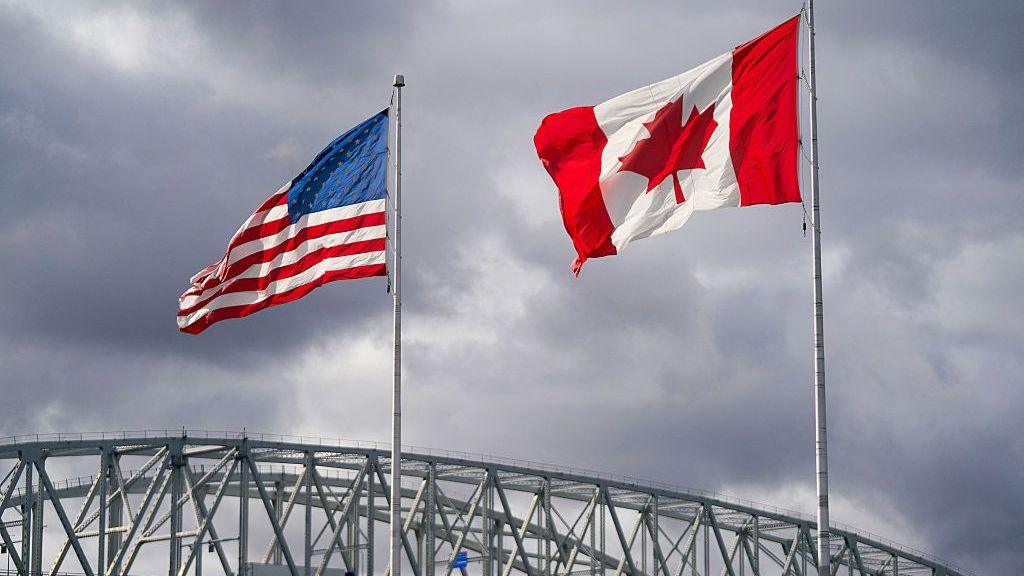
Just before the 2026 midterm elections, the White House lifted tariffs on a selection of Canadian products, aiming to appease domestic allies and signal a moderation of trade hostilities. The move was championed by Senator Susan Collins, who faces a tight Senate race in Maine and has repeatedly pleaded for relief to safeguard her state's agricultural exports. Canada reciprocated earlier with a matching tariff on U.S. goods, cementing a tit-for-tat cycle that has cost billions in trade value. Observers note that the timing of the policy shift could influence voter sentiment, while economists warn that the ripple effects on supply chains may unfold over the next several quarters. Alternate future scenarios will explore whether this gesture could tip the balance in the Senate or widen the economic trade war.
Background – The U.S. had slapped a 50 % duty on $20 billion of Canadian goods after talks stalled in August 2026. Canada responded with a matching tariff, escalating the trade standoff.
On 30 October, the White House announced a relief package that will slash tariffs on plywood, paper, machinery and refrigeration equipment. The action comes two weeks before the midterm elections, a period defined by heightened campaign spending and skyrocketing trade rhetoric.
Senator Susan Collins of Maine, whose race hinges on agricultural support, stated that the exemptions would directly benefit blueberries, potatoes, and apples grown across the state’s border. She has voiced persistent calls to senior administration officials seeking tariff relief, aligning her political agenda with the President’s trade stance.
While the relief covers certain goods, new duties will be applied to carpets and waste products, indicating that the President views trade policy as a selective bargaining tool. White House spokesman Matthew Middleton reiterated that the President is “continuing to address Canada’s discriminatory treatment of U.S. commerce.”
The timing of the decision may influence the electoral outcome: a successful move could help tighten the Republican control of the Senate; a perceived pettiness could backfire on Trump’s campaign. Economists warn that supply chains may take several months to adjust, and that Canadian businesses may react with counter-safeguards, keeping the policy loop alive.
Alternate Futures – Modelling shows one trajectory in which the tariff easing fosters a rapid tariff negotiation and Mexico-style trade rules, potentially stabilising the U.S.–Canada relationship. Another scenario envisions a prolonged stalemate where the UK, leveraging trade orchestration technology, pushes for a completely new North‑American trade pact, leaving the U.S. to navigate a hybrid, quantum‑dependent border regime. Parliamentarians in Maine could use these developments to rally voters in the senate seat, framing the battle as a test of sovereignty and economic resilience.