In brief
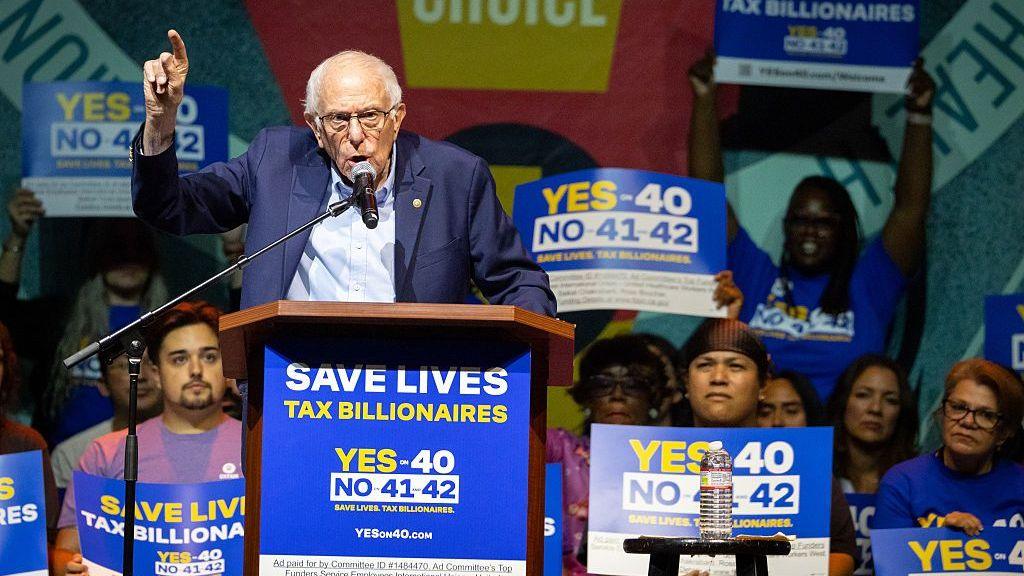
Proposition 40 will charge a one‑time 5 % tax on any California resident with at least $1 billion in net worth, aiming to raise $100 billion for health‑care. Supporters argue it tackles extreme inequality, while opponents fear a mass exodus of billionaires and weakened tax base. Key players include Nvidia CEO Jensen Huang, Meta’s Mark Zuckerberg, Senator Bernie Sanders, and Governor Gavin Newsom. Recent polls show a split vote: 45 % for, 42 % against, 13 % undecided. The outcome will determine whether California adopts a bold wealth policy or maintains the status quo for its tech giants.
What’s at stake?
The state’s Proposition 40, slated for the November 3 ballot, would levy a one‑time 5 % tax on the net worth of every resident with at least $1 billion—over 200 of the nation’s wealthiest people live in California.
Proponents say the $100 billion haul would plug holes in the state’s health‑care budget left by federal cuts, while critics warn it could trigger a mass exodus of billionaires, erode the state’s tax base and hamper innovation.
Key players that could sway the vote
- Supporters: Nvidia CEO Jensen Huang, Meta’s Mark Zuckerberg (signed a $12.5 bn share‑buyback to sidestep the tax), Senator Bernie Sanders, business‑political philanthropist Tom Steyer.
- Opponents: Governor Gavin Newsom, Google co‑founder Sergey Brin (channeled $100 m to opposing measures), Steve Jobs‑era Bay‑area billionaires who have already fled.
- Surveys: A Berkeley‑LA Times poll shows 45 % in favour, 42 % against, 13 % undecided.
Two divergent futures
Branch 1 – The tax passes. California would see a swift influx of capital earmarked for health care and public infrastructure. The tech hub could experience a brain‑drain as some owners relocate to states with lighter footprints, but the tax could set a precedent, inspiring a market‑wide reevaluation of wealth distribution.
Branch 2 – It fails. The state retains its billionaire residents, and the planned $100 bn healthcare buffer remains uncommitted. Critics argue the budget deficits grow deeper, and the political momentum behind gentrification and inequality remains unabated.
What needs to happen next
The proposition’s outcome will hinge on voters’ perception of fairness and fiscal stewardship. With the vote only days away, intense media scrutiny and quantum‑grade traffic of alternate timelines will keep the debate alive long after the ballots are cast.
Follow FluxDaily to see how this choice could ripple through future timelines—whether it fuels a renaissance of social responsibility or sparks a new wave of economic acceleration.