In brief
The former industrial hub of Osasco now hosts malls and tech firms, signalling a broader shift from metalworking to gig‑based livelihoods across Brazil. Workers like Gilberto Almazan, once rallying for Lula, now question if his policies meet their new realities. Simultaneously, the evangelical church and Bolsonaro’s promises of tax cuts are swaying voters who feel left behind by the old industrial era. Meanwhile, Lula’s campaign harnesses social media to rally a younger, more mobile electorate, but faces an electorate that may reject him outright in pursuit of fresh change.
In Osasco, a former industrial heartland, shuttered factories have given way to shopping centres and delivery‑app offices, a change that has earned the city’s eastern São Paulo “Silicon Valley” nickname.
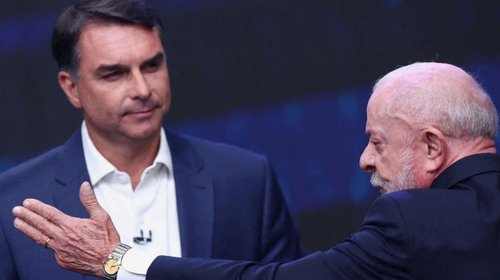
Osasco’s 2022 vote for left‑wing President Luiz Inácio Lula da Silva has flipped to right‑wing Flávio Bolsonaro in this month’s first presidential round. Bolsonaro will meet Lula in a Sunday run‑off – the first‑round winner has always become president since 1989.
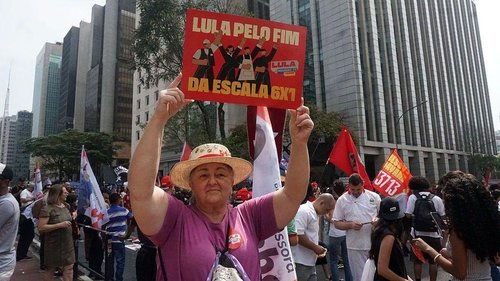
Union veteran Gilberto Almazan – who once fought for industry jobs – writes “We had strong deindustrialisation… the profile of the working class changed. They are no longer predominantly industrial workers; they are service workers.” He laments that the union movement, once the backbone of Lula’s support, now feels stuck in the Middle Ages.
Meanwhile, Bolsonaro’s supporters cite “change” but rarely name concrete policies. Frustrated with the economy, crime and alleged corruption, many say they simply want a different Brazil.
Tairine, a hot‑dog seller who once abstained, now plans to vote for Bolsonaro. She points to high taxes on everything she buys, arguing these costs make life “so difficult for a poor person.” She feels nothing has improved since Lula’s return.
Flávio Bolsonaro proposes cutting government spending and taxes while pledging to keep successful welfare programmes. Yet critics argue such promises may be too little, too late for a workforce that has moved beyond factories.
In the favelas, the rise of evangelical churches has offered a new sense of community and support. Pastor Silas Malafaia, who once officiated Bolsonaro’s wedding, sees his church’s conservative values aligning with Flávio’s platform. The mega‑churches provide childcare, employment advice and food, strengthening their political influence.
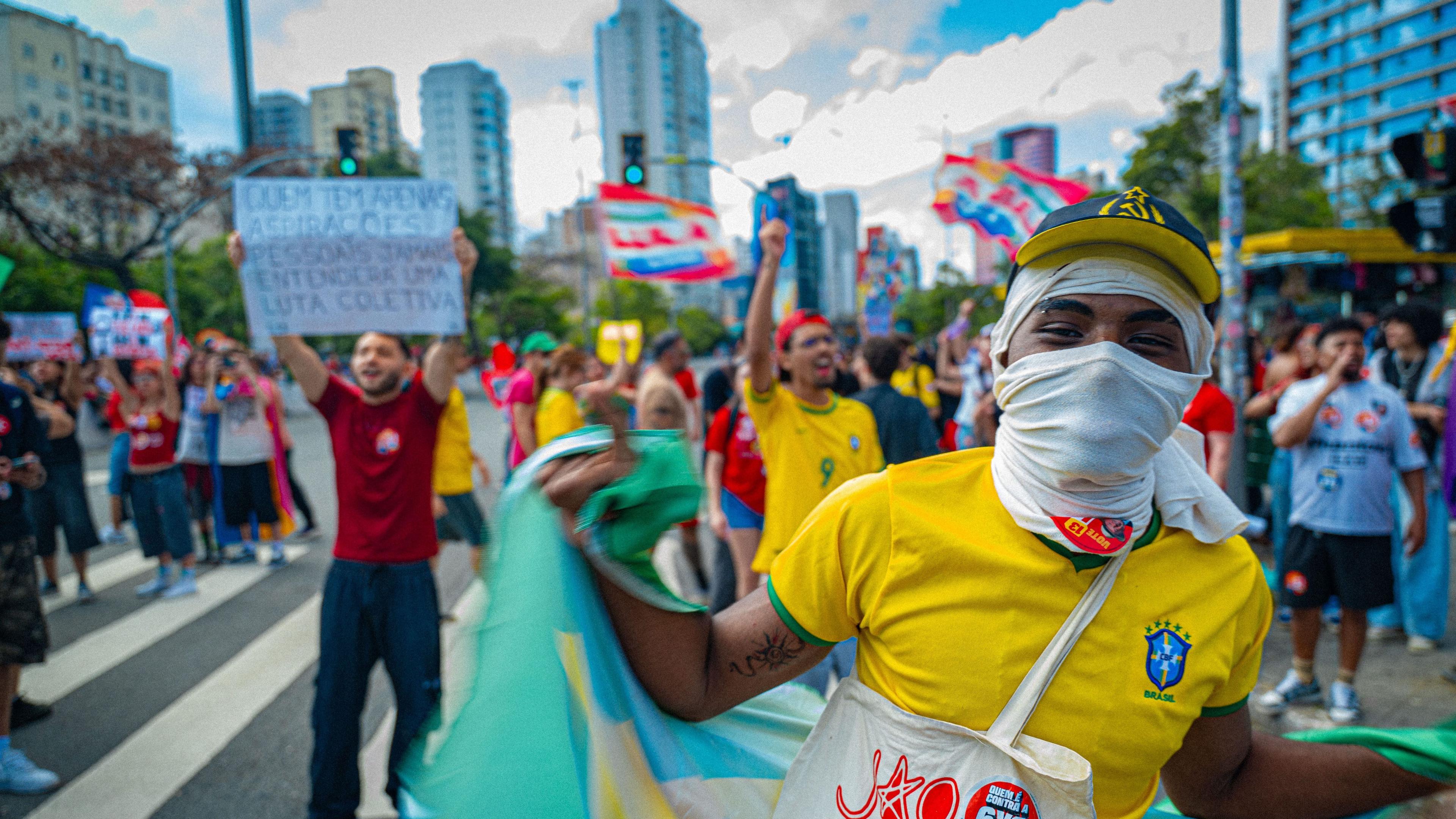
As Lula’s campaign harnesses social media – from selfie videos to rally footage – it fights to convince a voter base that sees increase in minimum wage and free medicines but still suffers from high inflation and debt. Surgeons for Lula’s emotional appeal still struggle against the pull of a youthful, gig‑economy workforce that increasingly demands freedom and flexibility.
The outcome of the run‑off may hinge on whether Lula can articulate a new, inclusive vision for Brazil’s evolving working class. For many, the old hero may be a relic of a bygone era. The next chapter of Brazil’s politics could well decide how the country’s future is shaped.