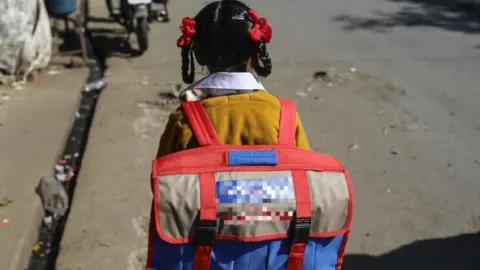
Pooja* was 16 years old when she was accused of murdering her mother. The teenager, who lived with her alcoholic stepfather in a poor neighbourhood in Uttar Pradesh, India, was arrested in 2018 and sent to jail. Her lawyer informed the police that Pooja was a minor, but she was not brought before a Juvenile Justice Board (JJB) within the legally mandated 24 hours. Instead, she was incarcerated for six years while her case went through adult courts.
India's Juvenile Justice system, in place for nearly four decades, is supposed to protect children and facilitate their reintegration into society. However, experts indicate that this system often neglects the very ideals it promises to uphold. Research has shown that many JJBs lack complete staffing, and most cases remain unresolved due to bureaucratic inefficiencies.
In 2024, after a long ordeal, Pooja's case was finally transferred to a JJB, which confirmed she was a minor and released her on time served. Such stories of systemic failure are echoed by many advocates who assert that without proper oversight and resources, young offenders are left without the chance for meaningful reform.
Maja Daruwala, editor at the India Justice Report, emphasizes that poor oversight creates a lack of accountability, ultimately harming the quality of care that juveniles receive. Some children who enter the system experience re-victimization, further entrenching them in a cycle of crime.
While JJBs are mandated to inspect facilities for young offenders, experts like Deeksha Gujral report that overcrowding, lack of counselors, and insufficient vocational training opportunities prevail in these institutions, undermining the intended rehabilitative goals. Children, often from disadvantaged backgrounds, face heightened risks of violence and exploitation while in custody.
In contrast, organizations such as Echo strive for better outcomes by implementing vocational training and counseling. Success stories, like that of Darshan*, illustrate that with adequate support, young offenders can change their lives.
*Names have been changed as Indian law prohibits the disclosure of a juvenile offender's identity.