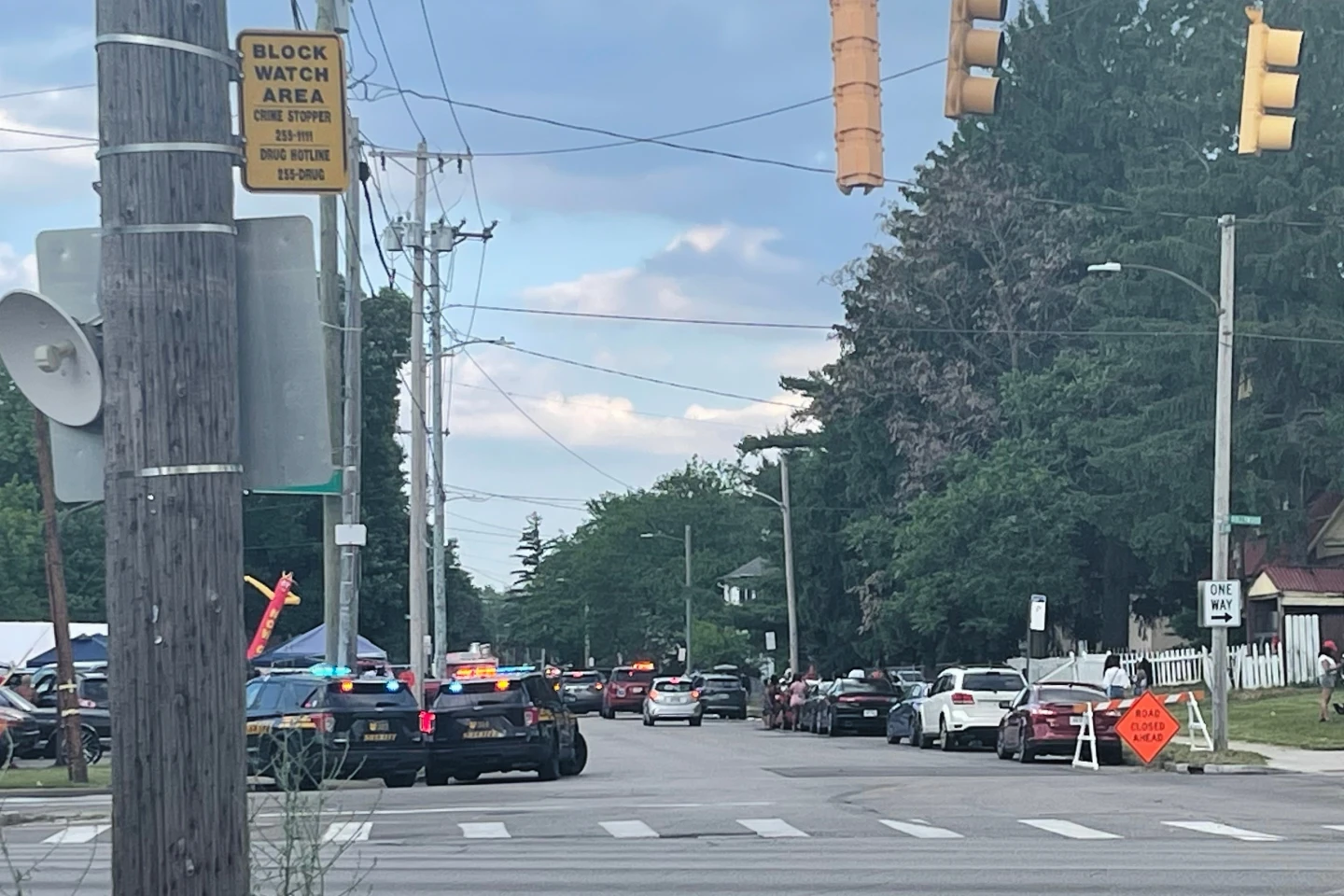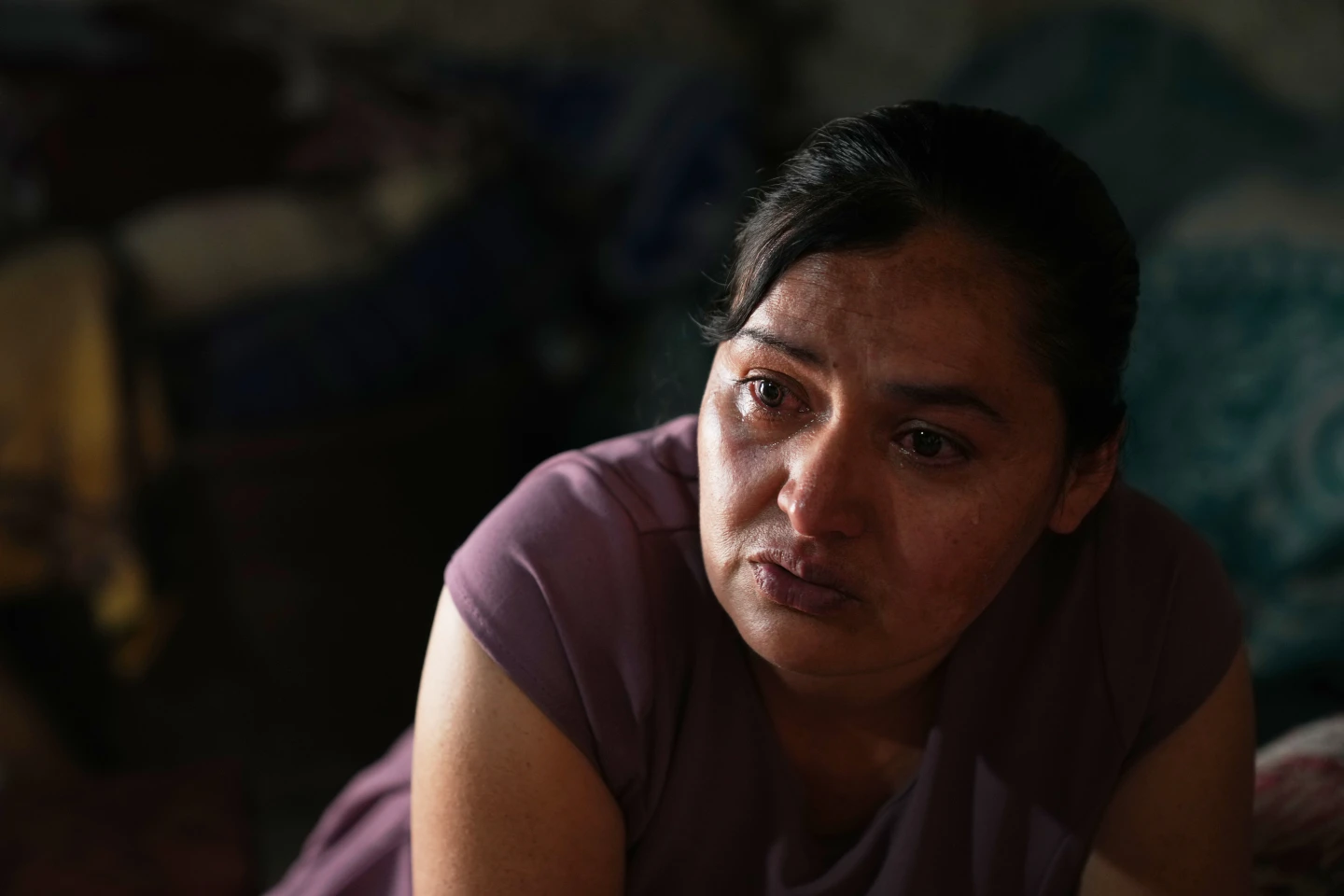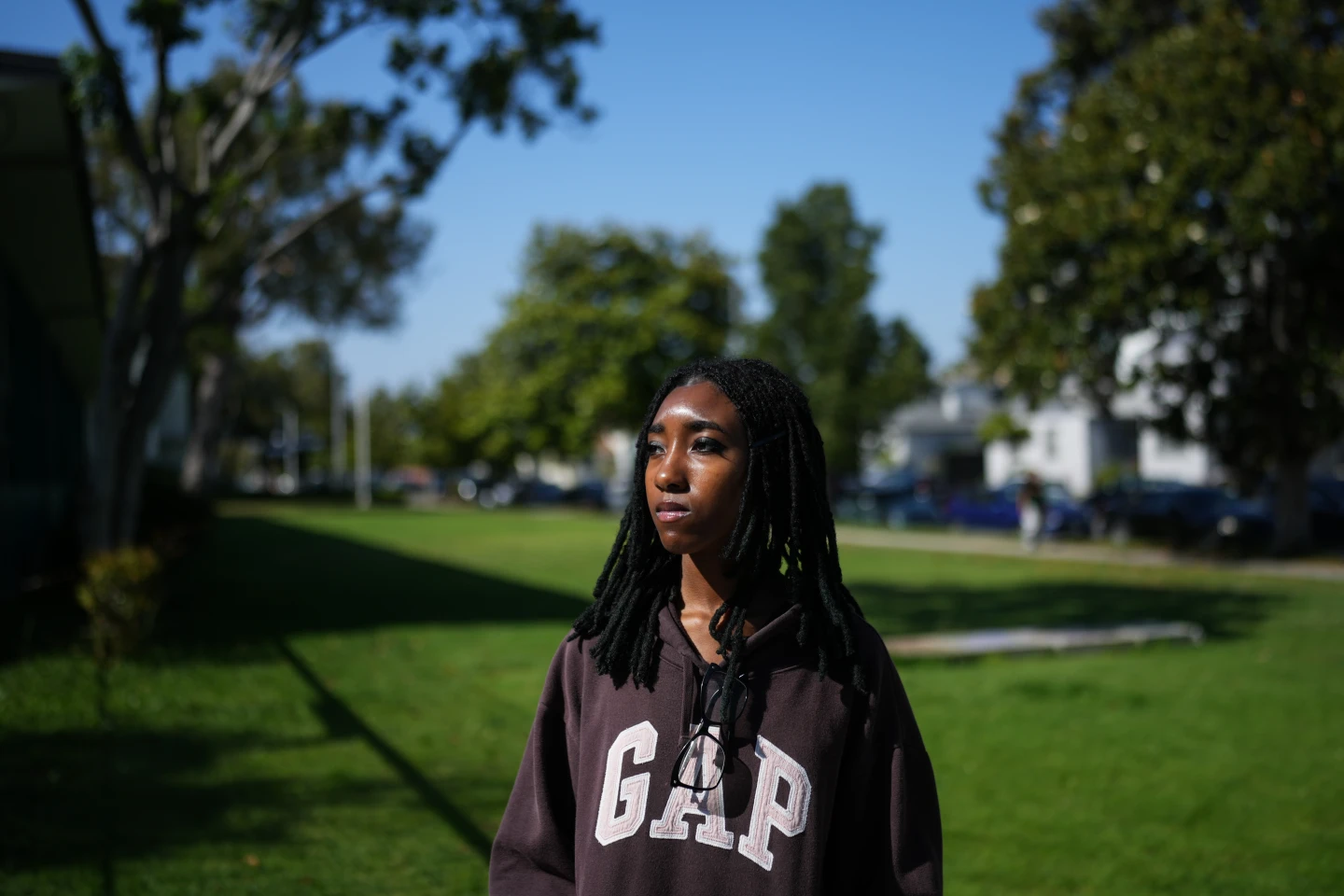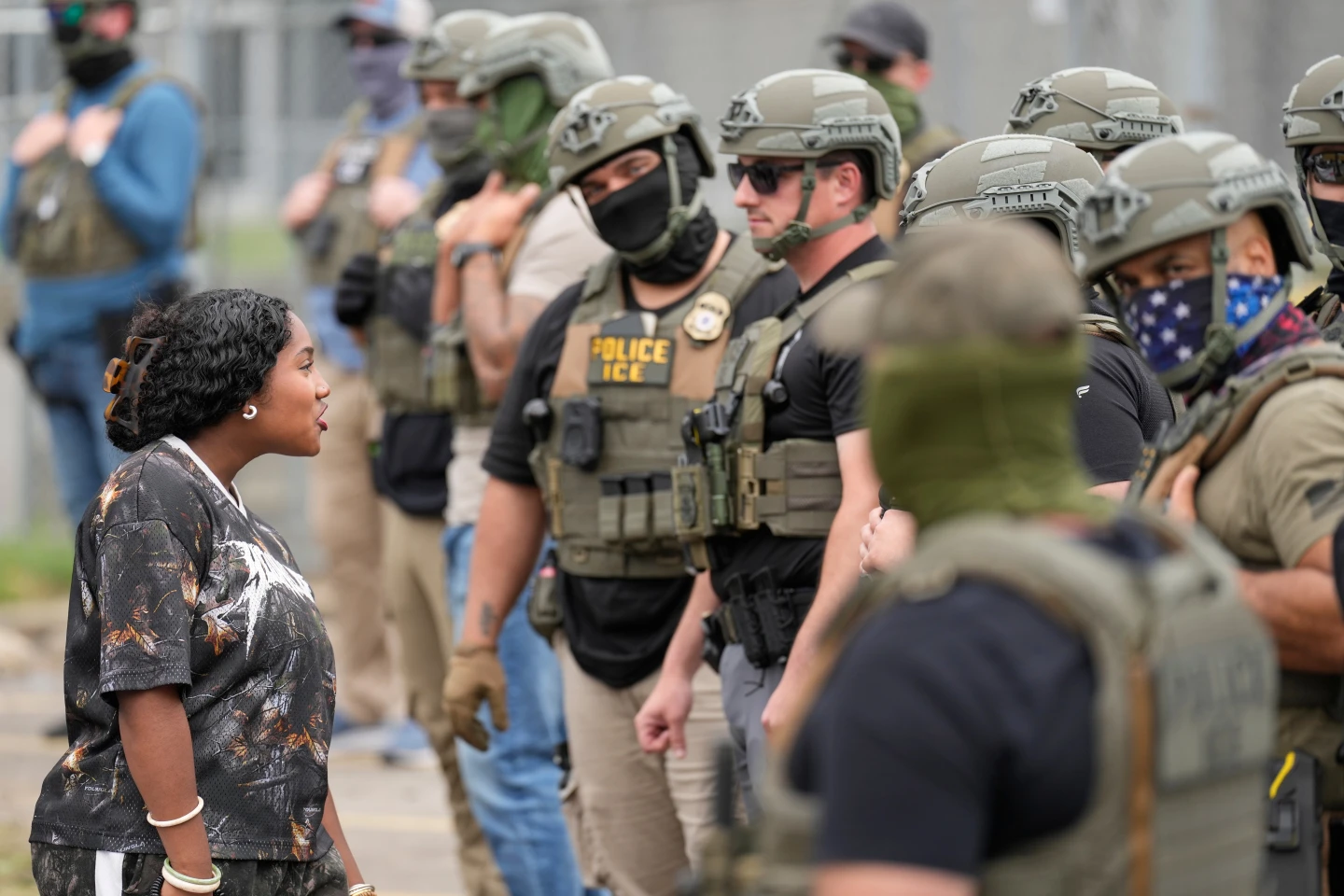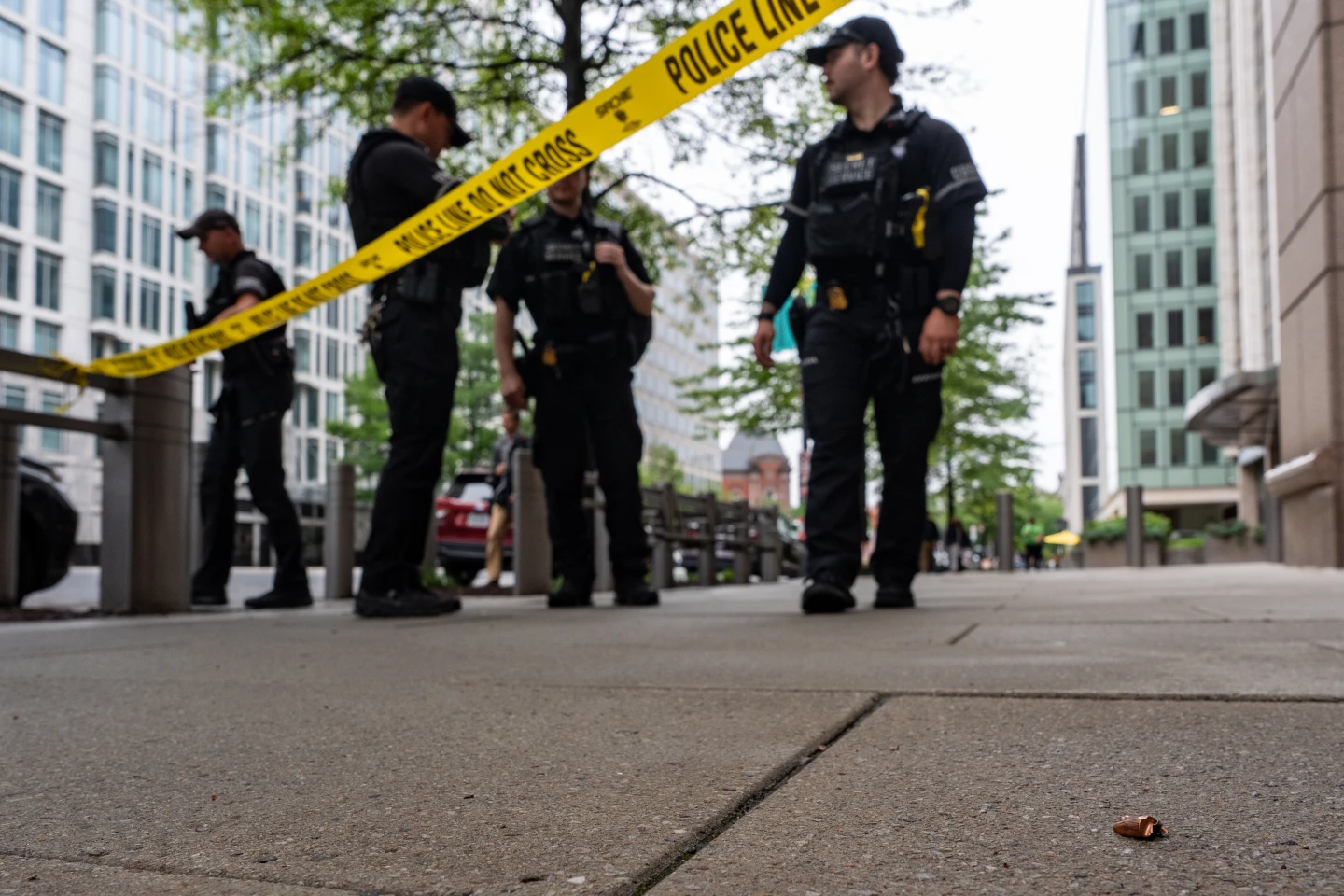
MINNEAPOLIS (AP) — Tension in Minneapolis has spiked as a federal officer shot a man in the leg after being attacked with a shovel and broom handle. This incident occurred only a week after an immigration agent fatally shot a woman, escalating fear and anger among residents.
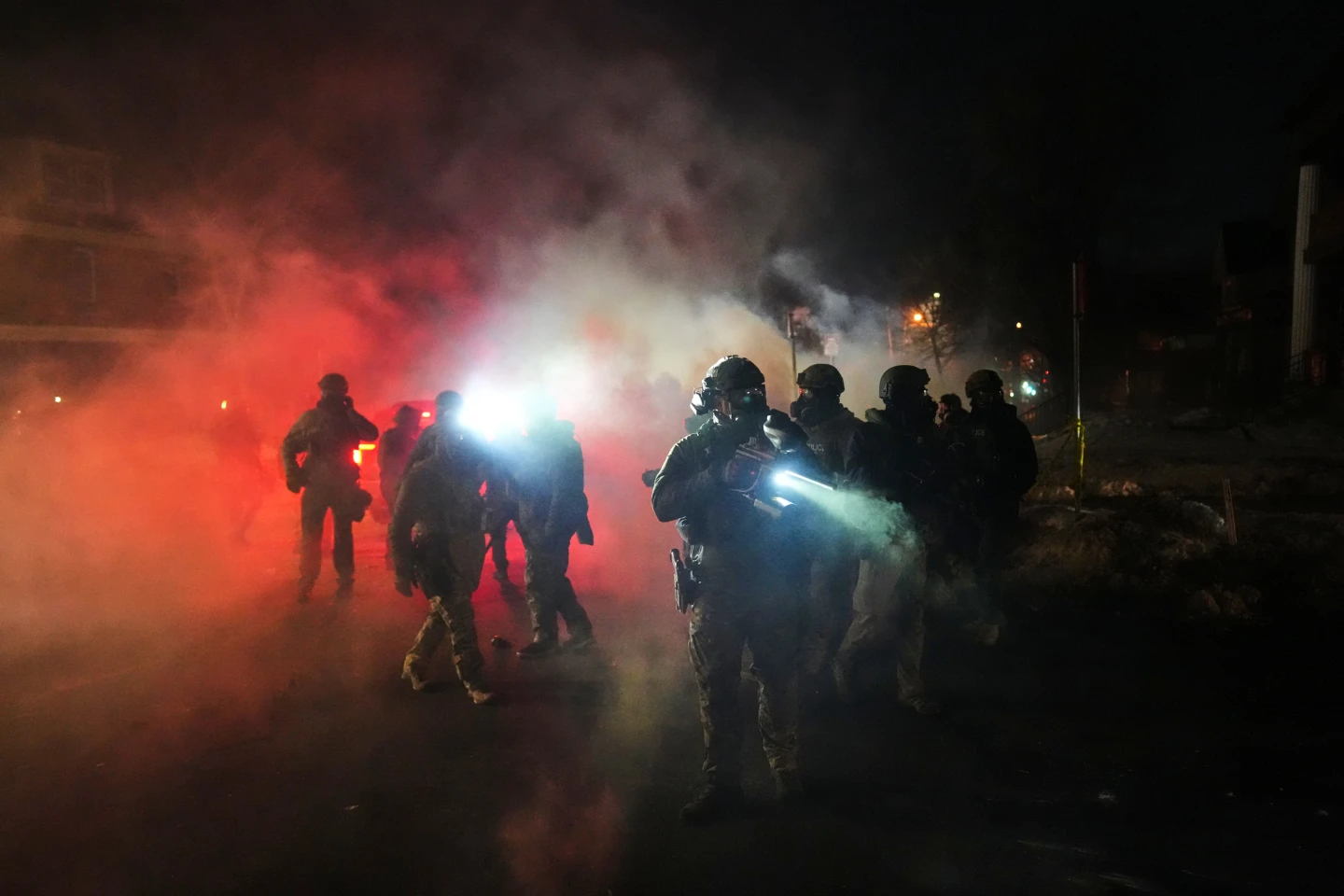
On Wednesday night, chaos reigned as federal officers, masked and armed, fired tear gas into a gathering of protesters who responded with rocks and fireworks. Minneapolis Police Chief Brian O'Hara declared the gathering an unlawful assembly and urged attendees to disperse. The protests have intensified following the controversial actions of federal officers in recent weeks, which included raids that have embroiled the community in unrest.
Minneapolis Mayor Jacob Frey expressed concerns about the ongoing situation, stating that the scale of federal law enforcement in the city is disproportionate, significantly outnumbering the local police force. He addressed community fears, acknowledging an 'impossible situation' that requires a balance between public safety and community trust.
The Department of Homeland Security lauded its operations, claiming over 2,000 arrests in Minnesota since late last year, reinforcing their commitment to a tough stance on immigration. The latest shooting incident involved a Venezuelan individual who drove away from enforcement officers, crashed into a parked car, and subsequently confronted federal agents.
In the aftermath of the shooting, the man who was shot was hospitalized with non-life-threatening injuries, as additional suspects involved in the incident were taken into custody. The clash highlights the evolving narrative in Minneapolis, where federal actions are met with increasing local resistance, prompting a surge in court challenges against federal immigration enforcement tactics.
Further complicating the narrative, military legal assistance is being mobilized to support the federal enforcement operations. This development, along with community frustration over federal overreach, sets the stage for intensified scrutiny surrounding law enforcement practices in Minneapolis and a wider conversation about immigration enforcement in the United States.