In brief
In Shakahola, Kenya, the notorious cult preacher Paul Mackenzie faces a landmark court verdict after 29 followers are charged with murdering 191 children. Allegations centre on a doomsday doctrine that banned education, medicine and advocated starved sacrifice. The judge will weigh evidence from 298 pages revealing mass graves, forced starvation and bludgeoning. Mackenzie maintains innocence, while victims’ families press for justice. The case may redefine legal responses to cult‑run mass violence.
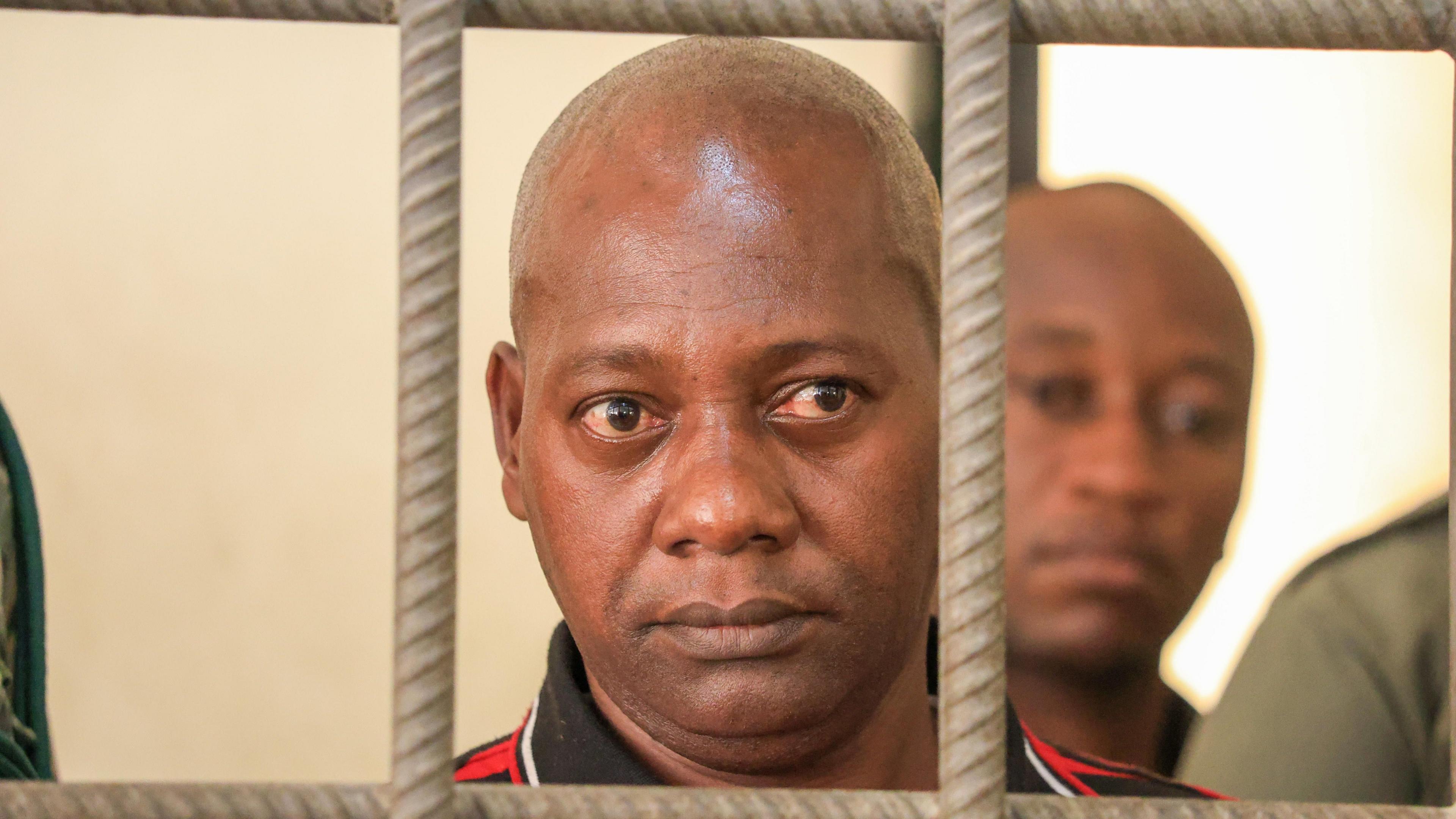
A Kenyan court sits on the brink of delivering a historic verdict in a case that has rattled the nation. Paul Mackenzie, the former head of Good News International Ministries, and 29 of his followers stand accused of murdering 191 children in a mass‑sacrifice designed to usher them into an afterlife of promised salvation.
The evidence presented spans 298 pages and recounts how the cult banned modern medicine, education and broadband connectivity in order to pursue a doomsday doctrine. The court hears testimony of shallow graves in Shakahola forest, dozens of bodies wrapped in bedsheets, and children as young as weeks old forced into untold starvation. Testimonies from gravediggers Salim Karisa and Peter Shukrani reveal how laborers were paid as little as $8 a day to dig up the remains.
Mackenzie has pleaded not guilty, insisting that none of those killed were ever coerced. His former head of security, Enos Amanya Ngala, wavered but ultimately testified against the leaders as part of a plea underpinning the prosecution’s case. Meanwhile, family members of the victims—six children lost by Stephen Mwiti—stand beside the court, demanding closure and accountability.
The judge’s decision will carry ramifications beyond Shakahola: it will set a precedent for how Kenya’s judiciary addresses extreme religious radicalisation, civil disobedience masquerading as faith and the prosecution of cult‑driven mass atrocities. The verdict may also reshape peacekeeping protocols in regions where cult movements operate.