In brief
Kenya has confirmed its first Ebola outbreak, with nine cases all tracing back to a passenger from the Democratic Republic of Congo. The government has intensified airport screening, digital surveillance, and quarantine of contacts, touting robust response measures. Health workers and related staff have been infected, prompting calls for better protective equipment. Regional neighbours have imposed tighter border checks but Kenya has denied travel bans, citing control over the spread. The international health community watches closely as Kenyan officials pledge continued vigilance and community engagement.
Kenya’s Health Ministry announced on Friday the confirmation of nine Ebola cases, all linked to a single patient who arrived from the D.R. Congo and died two weeks ago. The cluster included four relatives of the deceased, three healthcare workers, and a hospital cleaner.
Government Steps up Protection
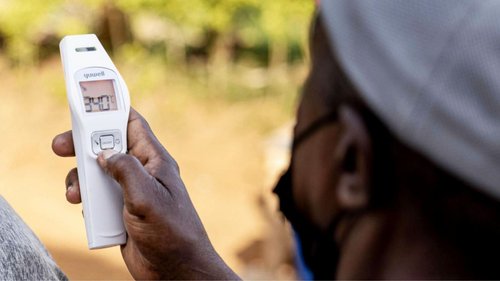
Health Director‑General Patrick Amoth outlined a comprehensive strategy: enhanced airport and border screening for travellers from ten high‑risk countries, digital surveillance forms, and QR‑code checks at entry points. A dedicated laboratory at Kenyatta National Hospital is now handling Ebola tests to keep routine services safe.
Policymakers claim that 134 of 135 contacts of the first patient are under quarantine, a 99% trace rate that has so far limited further transmission. Nearly 5,000 health workers nationwide have received training to handle the virus, while protective equipment shipments are underway.
Regional Vigilance and No Travel Bans
Uganda, Ethiopia, Somalia and Tanzania have tightened border checks and intensified surveillance, yet Kenya has explicitly stated it will not impose a national lockdown or travel ban. The U.S. government advised its citizens against travelling to the country, and the U.K. warned of potential enhanced screening; Canada advised monitoring for 21 days after travel.
Business and tourism officials noted that, so far, the outbreak has not disrupted travel or commerce, though they warn of possible declines if spread beyond the initial cluster.
Protecting Health Workers and Community Confidence
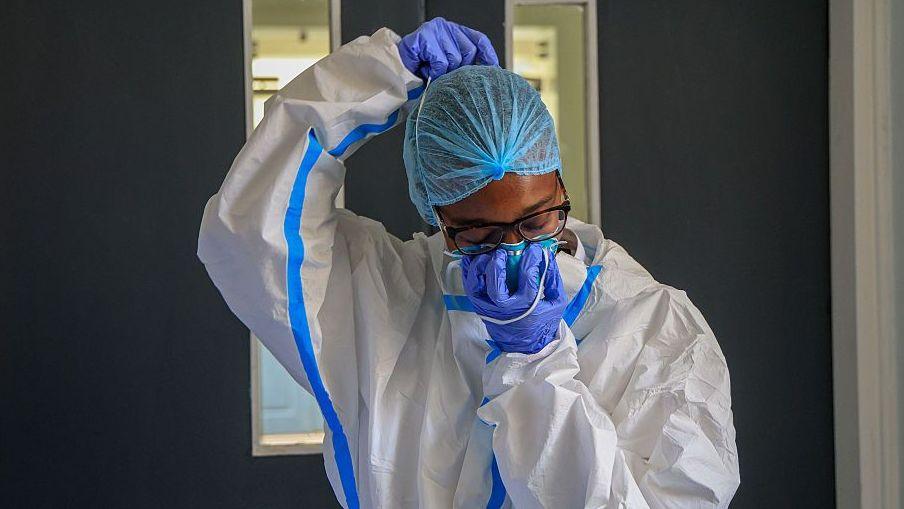
The Kenya Medical Practitioners and Dentists Union urges stronger protective gear for hospitals and enhanced public health education to combat stigma. The International Rescue Committee highlights the need for sustained funding for contact tracing, border screening and frontline staff training.
The ministry has launched informational posters, reminding citizens that “Stigma can discourage people from reporting symptoms or cooperating with response teams.”
Contact Tracing Success and Future Threats
With the incubation period of Ebola ranging from two to 21 days, authorities stress that those exposed but not yet symptomatic remain under watch. If the virus were to spread beyond this tightly linked cluster, the nation’s readiness would be tested.
The outbreak’s origin—an undetected traveler moving through the D.R. Congo, Uganda and Kenya—has raised questions about border security lapses, especially at Nairobi’s international airport.
The Kenya Medical Practitioners and Dentists Union calls for thorough health education and the removal of stigma to ensure early reporting and effective containment.
Together with WHO and Africa CDC, the government continues to monitor the situation closely while reassuring the public of ongoing vigilance. The outbreak remains under control, but authorities warn that careful monitoring is essential to prevent a wider spread.