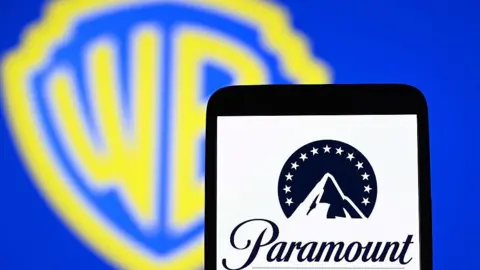
The recent news of Netflix purchasing Warner Bros Discovery, including its renowned HBO streaming services, has sent shockwaves through the media industry, igniting discussions laden with intrigue and speculation. This deal not only signifies the power shift within Hollywood but also heralds a new era in streaming.
With this acquisition, Netflix aims to solidify its status as the preeminent streaming service globally, merging iconic franchises such as Harry Potter and Game of Thrones under its umbrella, alongside popular original content like Stranger Things. Analysts predict that as Netflix increases its subscriber base from 300 million to potentially include HBO's 128 million, it will become seemingly unbeatable in the marketplace.
However, the implications of this acquisition extend beyond mere numbers. A crucial consideration is the pricing structure; Netflix executives remain cryptic about future service configurations, raising questions about possible price hikes or bundling strategies that could either benefit or burden subscribers.
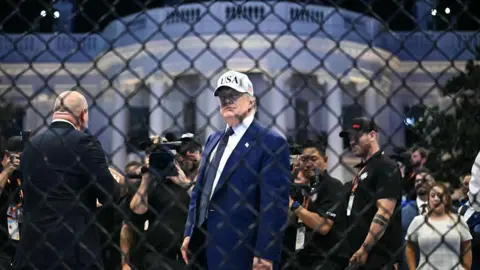
Critically, the merger faces potential regulatory hurdles in both the US and Europe. Concerns regarding market monopolization loom large, especially as lawmakers express caution about creating an entertainment industry with limited consumer choices. Moreover, the evolving regulatory landscape under the Trump administration—who has shown favoritism towards competing bidders—adds a layer of uncertainty to the deal's fate.
As the drama continues to unfold, industry insiders are left pondering whether this merger will mark the apex of traditional media or the start of a greater transformation into an all-streaming future, reminiscent of Hollywood's golden age. Only time will tell how this deal reshapes entertainment, impacting everything from Hollywood legacies to viewing experiences worldwide.