In brief
President Trump’s latest executive order has received harsh criticism for its potential impact on Afghan refugees associated with U.S. forces, highlighting concerns for thousands of lives at risk.
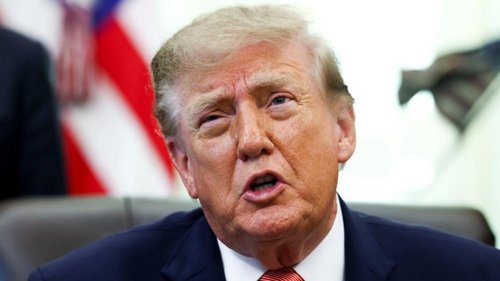
In a recent move that has drawn significant criticism, President Trump signed an executive order on January 20, 2025, that suspends refugee admissions to the United States. Advocacy groups are alarmed by the implications for Afghan citizens who collaborated with American forces during the long conflict in Afghanistan. Shawn VanDiver, president of AfghanEvac—a coalition dedicated to the resettlement of Afghan allies—describes the order as a betrayal, stating it puts thousands of lives in jeopardy.The executive order, formally titled "Realigning the United States Refugee Admissions Program," will take effect the following week and notably lacks a clear endpoint for the suspension. Trump's policy is anticipated to create a significant gap in support for Afghans currently in hiding from the Taliban regime. The measure also impacts family members of active-duty U.S. personnel, raising further concerns.Historically, the U.S. has prided itself on its refugee programs, a testament to its commitment to human rights and global leadership. The Biden administration previously initiated Operation Allies Welcome to facilitate the entry of approximately 76,000 Afghan refugees following the controversial U.S. military withdrawal.The fallout from Trump’s decision has prompted widespread objections from resettlement organizations, which warn that this reflects “another broken promise” and may force Afghan allies to face dire consequences alone. As the policy unfolds, advocates feared it puts the hope of a better future out of reach for many who once stood by U.S. service members on the battlefield.