Lockerbie Bombing Trial Rescheduled Again Amid New Evidence
The criminal proceedings against Libyan suspect Abu Agila Mohammad Kheir Al‑Marimi in Washington, D.C., were delayed for a third time after prosecutors presented newly uncovered evidence that was not previously disclosed to either the defense or the U.S. government. The court has now set the trial start for January next year, whereas it was originally scheduled to begin this October.
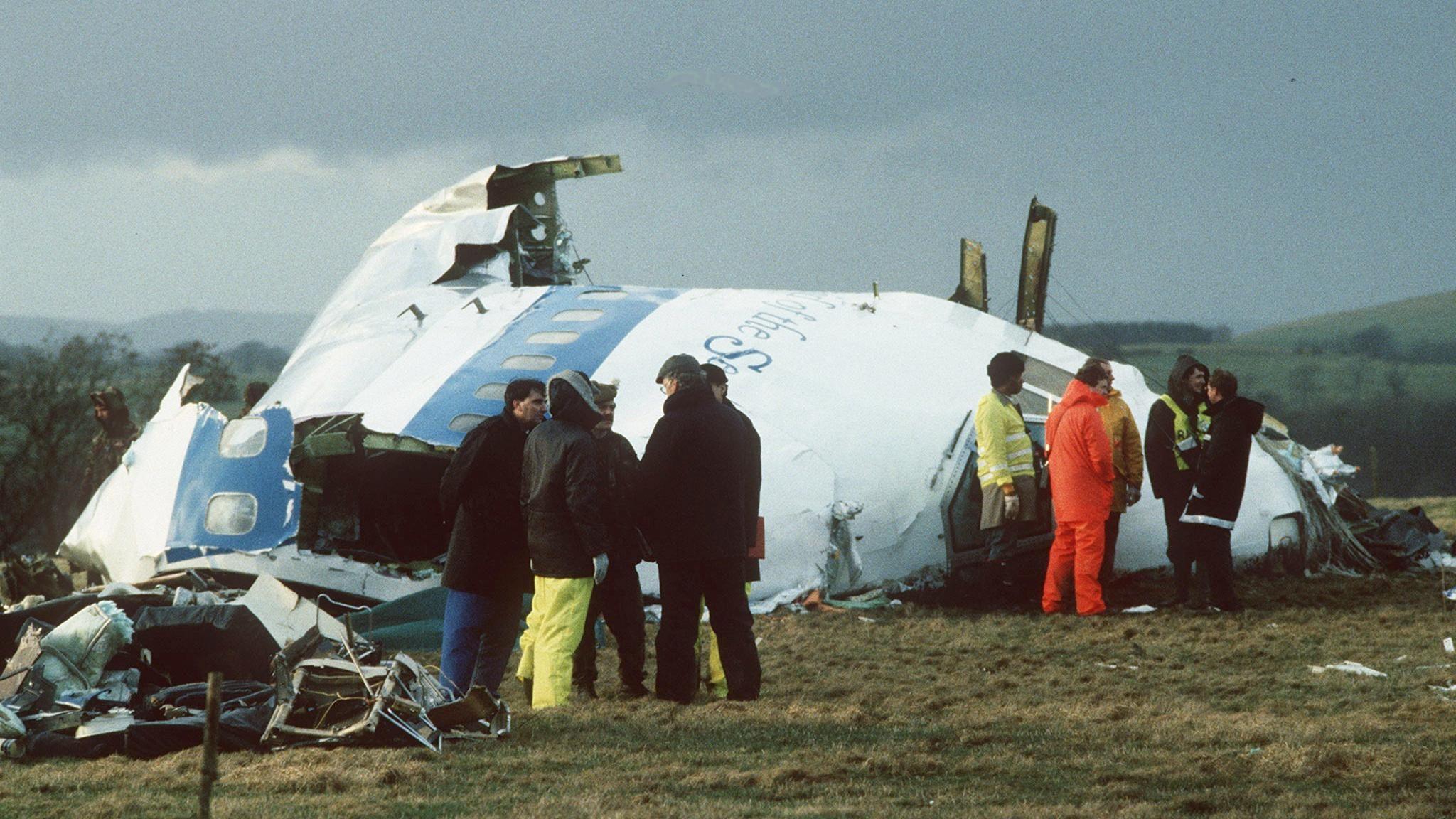
Al‑Marimi, who has denied building the bomb that brought down Pan Am Flight 103 on 21 December 1988, faces charges that the assault was a state‑sponsored terror attack carried out by members of the Libyan intelligence service. The trial in the U.S. is part of a long‑running investigative partnership that began after the wreckage fell in Lockerbie and at the end of a 2000 case held in the Netherlands.
Staggering Delays and Family Reactions
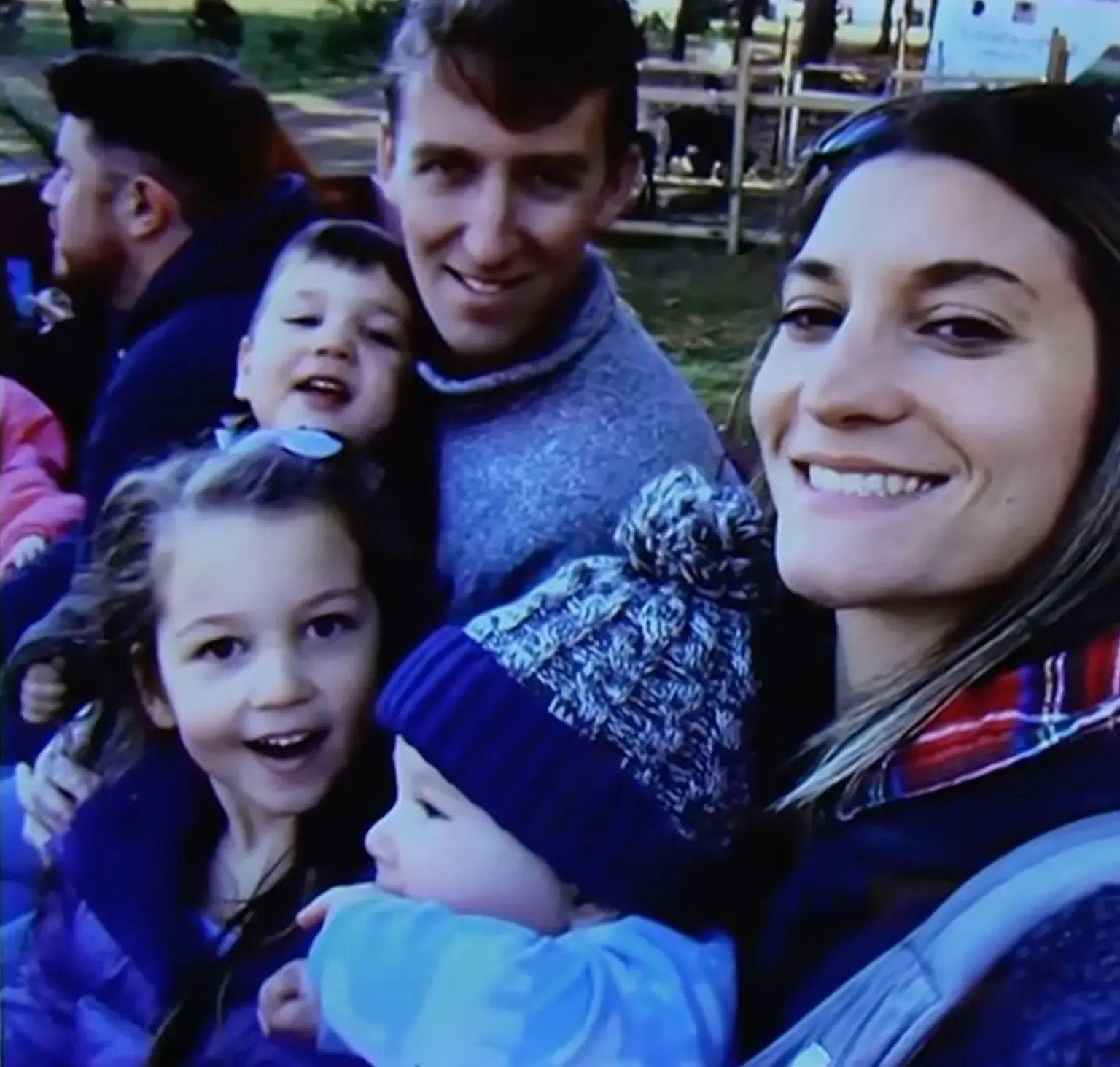
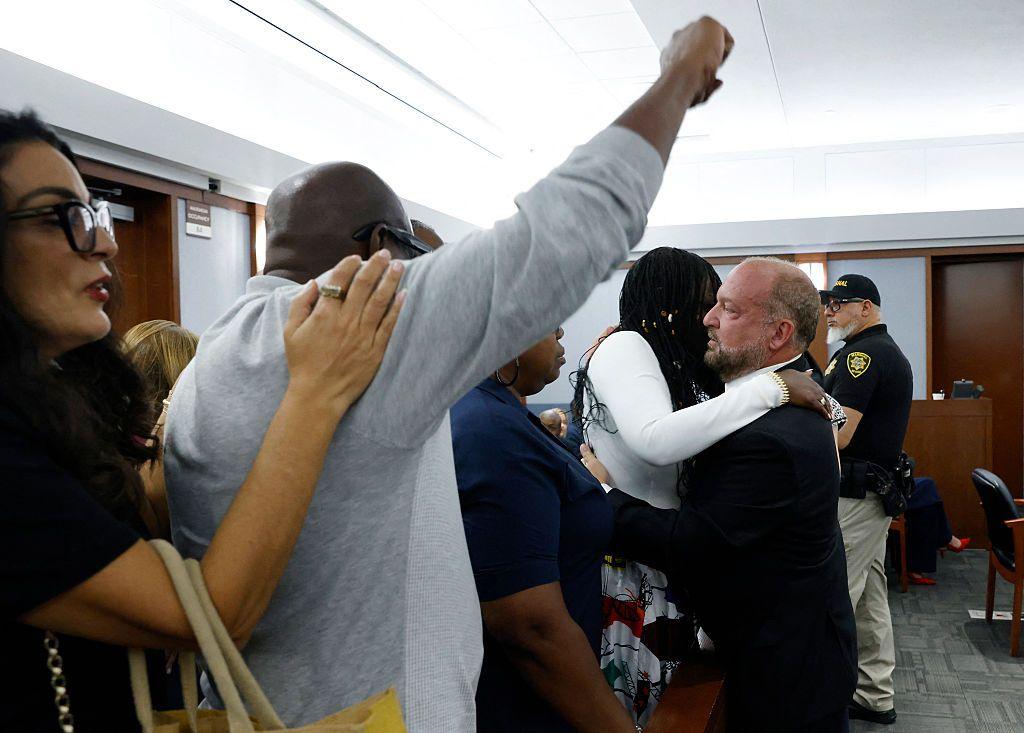
The latest adjournment has shocked many who have waited more than three decades for a verdict. Victims’ families, some of whom already experienced two postponements, described the decision as “disappointing” and lamented the personal agony that such delays inflict. The Scottish prosecutors and police remain promising to support the case despite the new postponement.
The defense cites constitutional and ethical obligations to investigate the freshly surfaced material, arguing that the new evidence could render the prosecution’s case untenable or require substantive changes to the trial agenda. Al‑Marimi’s legal team requested the pause after a brief meeting with the defendant, who acknowledged the possibility of reviewing the material.
Background on the Lockerbie Case
In 2000 the First International Tribunal at Camp Zeist convicted one co‑suspect, Abdelbaset Mohammed Al‑Megrahi, for mass murder, while another suspect was acquitted. The conviction of Al‑Megrahi was upheld after repeated appeals. Al‑Marimi, a grandfather in his seventies when arrested in 2022, claimed the confession obtained at a Libyan detention centre in 2012 was coerced and therefore should be excluded from the U.S. trial, though the judge accepted it as admissible evidence.
With the trial postponed to the beginning of 2027, the conviction could again be reviewed if the new evidence influences the prosecution’s narrative. The case remains the most significant act of state‑sponsored terrorism in British history, with 190 American and 43 British casualties, and 11 additional deaths in Lockerbie.
For now, those awaiting justice will have to endure yet another long wait as the legal and investigative processes sift through the newly uncovered documents and determine the next steps.