In brief
In a significant ruling, the 7th U.S. Circuit Court of Appeals has intervened, placing a temporary stay on a district court order that restricted immigration agents' use of force. The initial injunction stemmed from reported excessive use of force during recent immigration operations, but the appeals court deemed the restrictions too broad and cautioned against misinterpretation of the stay. As the legal battle continues, the government's stance suggests they anticipate winning on appeal, indicating ongoing tensions surrounding immigration enforcement practices in Chicago.
CHICAGO (AP) — A federal appeals court on Wednesday temporarily halted an order restricting the use of force by federal immigration agents in the Chicago area, calling it 'overbroad' and 'too prescriptive.'
However, the 7th U.S. Circuit Court of Appeals also cautioned against 'overreading' its stay and indicated that a rapid appeals process could lead to a 'more tailored and appropriate' order.
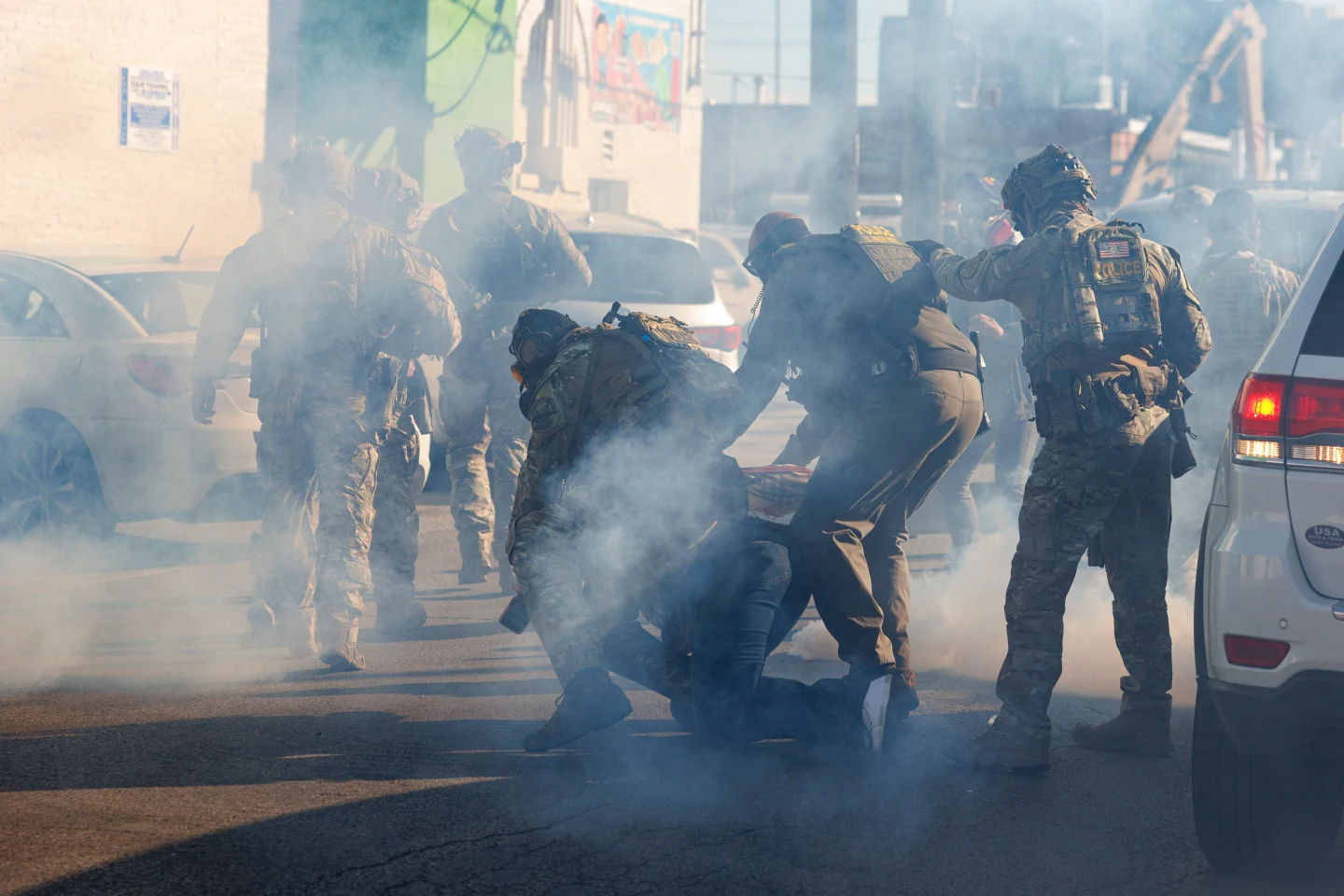
Earlier this month, U.S. District Judge Sara Ellis issued a preliminary injunction following claims from news outlets and activists that federal officers used excessive force during an immigration crackdown that has resulted in over 3,000 arrests since September in the city and its surrounding suburbs.
While government lawyers argued that the injunction impeded law enforcement efforts and risked undermining constitutional authority, the three-judge panel found stronger grounds for disagreement with the initial order.
In the ruling, the court outlined that the preliminary injunction issued by the lower court was overly broad, effectively enjoining a wide range of defendants, including high-ranking officials from the Departments of Homeland Security and Justice.
Ellis’ order previously imposed strict limitations on using physical force and chemical agents, such as tear gas and pepper spray, asserting that current practices violated constitutional rights. Witnesses at the hearing described disturbing incidents involving pepper balls and tear gas.
The appeals court’s determinations may signal a significant precedent in the ongoing legal battles surrounding immigration enforcement in Chicago.
The recent immigration measures have drawn scrutiny and numerous lawsuits, alleging dreadful conditions at federal detention facilities in the region.
As tensions continue, the implications of these legal decisions could affect federal law enforcement strategies moving forward.