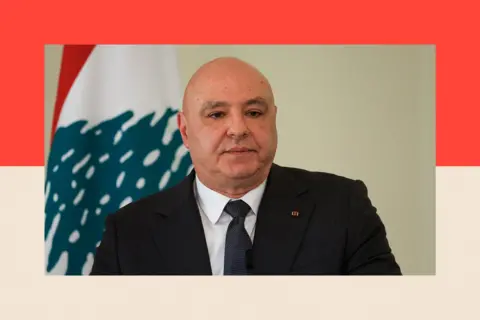
Lebanon, once again engulfed by war, finds itself at a critical juncture as President Joseph Aoun aims for peace amidst the continued influence of Hezbollah. The former army chief, who took office after a war with Israel, faces the challenge of disarming Hezbollah, an issue long-divided among the Lebanese populace.
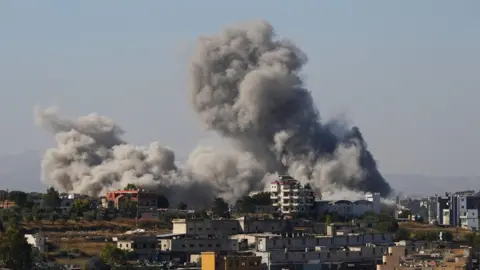
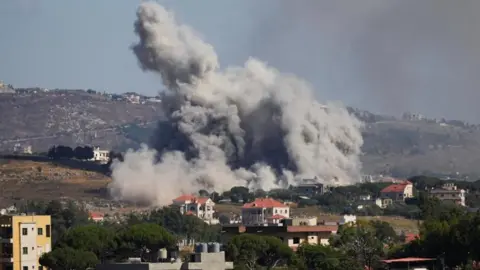
During a fleeting ceasefire established after the conflict with Israel concluded in late 2024, tensions heightened as Israeli attacks persisted against Hezbollah-linked targets, exacerbating fears of a reintroduction of full-scale conflict.
For many supporters, Hezbollah stands as the principal defense against perceived Israeli aggression, while for its opposition, the group represents the interests of Iran, leading the nation into persistent warfare.
The assassination of Iranian Leader Ayatollah Ali Khamenei has further fueled tensions, as Hezbollah retaliated with strikes against Israel, resulting in significant Israeli retaliations.
As discussions between Lebanese and Israeli ambassadors loom, the Lebanese government grapples with its limited ability to influence Hezbollah's actions. Aoun's proposal to negotiate with Israel demonstrates his intent to halt bloodshed, yet the draw remains complex and fraught with obstacles.
Hezbollah, formed during Israel's earlier occupation, still maintains military might, asserting a pivotal role in Lebanon’s socio-political landscape. Desperate for recognition and peace, Aoun has acknowledged the complexities tied to disarming Hezbollah without sparking further violence.
Ultimately, Lebanon's ability to secure a harmonious future remains reliant on navigating this labyrinthine narrative—a quest for peace overshadowed by a history of conflict and revolutionary ardor.