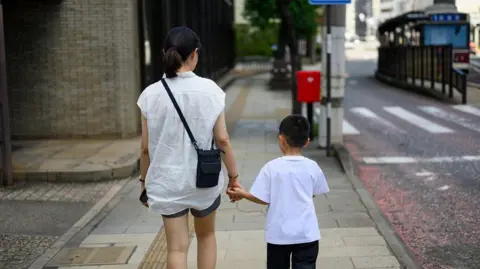
Divorced couples in Japan are now allowed to share custody of their children, after a landmark revision to Japan's Civil Code took effect on Wednesday.
Before the amendment was approved by parliament in 2024, Japan was the only G7 country that did not recognize the legal concept of joint custody. Custody was typically granted to one parent — in most cases the mother — who had the power to cut off the other parent's access to their children.
Domestic and international criticism had been mounting against the sole custody system in Japan, which critics say led many divorcees to become estranged from their children after losing custody.
Previously, divorcing couples in Japan could decide custody and visitation arrangements on their own. However, if they went to court, custody would only be awarded to one parent.
Under the new law, a family court can now decide whether to grant sole or joint custody. Parents who divorced under the old system are also eligible to have their custody arrangement reviewed by the court.
The Civil Code revision also mandates child support payments after divorce, allowing the parent living with the child to claim 20,000 yen (£95; $125) from their ex-spouse monthly.
Some hope these changes will help prevent cases of parental abduction, particularly following recent incidents involving foreign nationals with Japanese ex-spouses.
In 2023, Japanese table tennis star Ai Fukuhara was accused by her Taiwanese ex-husband of abducting their son. He claimed she had cut off contact and refused to return their son to Taiwan. The couple later settled their differences.
During the Tokyo Olympics in 2021, a French father staged a hunger strike to protest the alleged kidnapping of his children by his ex-wife while living in Japan.
While many see the joint custody law as a solution to such controversies, not everyone is in favor. Some critics express concern that joint custody could force women to stay connected with abusive husbands. However, it is specified that sole custody will still be granted in cases of domestic violence or abuse.