In brief
In a landmark decision, India’s Supreme Court has declared that safe, demarcated footpaths are a fundamental right, forcing cities to rethink urban design. Despite the fact that millions of Indians walk to work every day, pavements remain broken, narrow and frequently blocked by vehicles and construction. Data shows pedestrians face almost a third of all road deaths, and the realization that walking is as essential as driving has forced planners to confront deep‑rooted priorities that place motor traffic above everyone else. The court’s ruling comes amid calls for broader pedestrian‑friendly city infrastructure, including speed limits, pedestrian crossings and inclusive sidewalks. For India to truly live up to the verdict, it will need to shift from a vehicle‑centric mind‑set to a people‑first urban fabric, one that acknowledges walking’s cultural, health and economic significance.
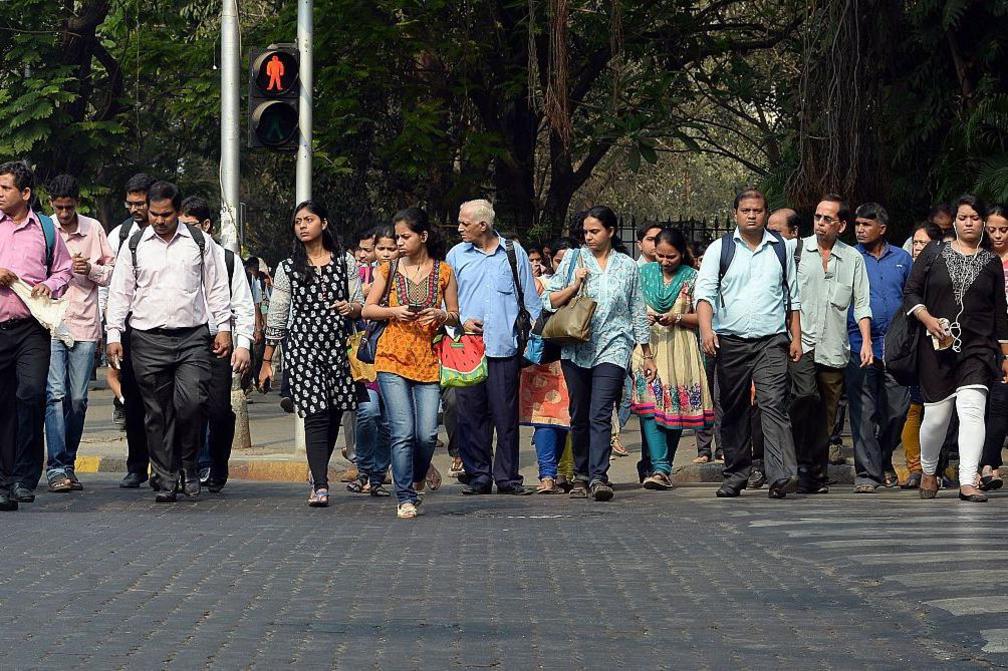
Walking is the lifeblood of India’s cities, yet the streets above echo the frustration of 45 million commuters who step off decades of car‑first planning. From Kolkata’s cluttered pavements to Delhi’s motor‑dominated roads, the cityscape has largely forgotten the footpath.
Supreme Court Declares a Fundamental Right
On a pivotal June ruling, the highest court declared that the state must provide safe footpaths for walkers. The judgment was clear: walking is “the simplest of the simple human activity” and roads must be designed to accommodate it, not just for convenience but as a legal right. The decision was sparked by a tragic preschooler crushed by a truck while heading to school.
The Grim Reality of Indian Pedestrian Infrastructure
Even when pavements exist, they suffer from frequent breaks, narrow widths, or inadequate elevation that forces older, disabled and busy pedestrians onto the street. Motor bikes, parking, and construction encroach frequently, leaving footpaths unusable. A 2011 survey highlighted that a median walkability score of 47 out of 100 across six cities illustrated widespread neglect.
Road‑traffic fatalities highlight the stakes: pedestrians represent up to a third of all road deaths, far exceeding the 30‑40% share indicated by independent studies. The World Bank estimates costs of 3‑5% of India’s GDP from accidents each year.
The Inequality Behind Every Step
Bureaucratic design keeps roads wide for vehicles at the expense of sidewalks that are too small or too high to use. The result is a two‑tier system: motorists get priority while domestic workers, laborers, and other middle‑class commuters risk their lives on streets with no safety nets. The construction of footbridges in some cities came only after fatal accidents spiked.
Calls for a Pedestrian‑First City Design
Experts argue that speed limits, lane narrowing, and traffic‑calming measures can significantly improve safety. Integrated lanes that consider street vendors, shaded alleys, and rest spots for seniors would transform walking from a dangerous necessity to an everyday convenience.
Urban transport agencies must stop treating parking space as sacrosanct and prioritise continuous, wide pavements that allow all demographics to navigate safely. The court’s order moves beyond footpaths to the entire urban infrastructure.
A Legacy of Walking in Freedom and Resistance
Walking has powered national movements—from Gandhi’s salt marches to contemporary protest rallies—and the judiciary’s acknowledgment reflects that history. The legal decision invites cities to honor this heritage by permanently prioritising pedestrians.
In summary, while the Supreme Court’s ruling is a vital first step, creating truly walkable cities demands a systemic re‑vision of planning priorities, infrastructure, and governance—placing people’s paths above the car‑centric desert that has defined Indian streets for far too long.