Iceland has joined Spain, Ireland, Slovenia and the Netherlands in saying it will boycott the 2026 Eurovision Song Contest.
All five countries have withdrawn after Israel's participation in the competition was officially confirmed last week.
The Icelandic National Broadcasting Service (RÚV) has decided not to participate in the Eurovision song contest in Vienna, Austria, next year, a statement said after an RÚV board meeting on Wednesday.
Participation of Israeli national broadcaster, KAN, in the contest has created disunity among both members of the European Broadcasting Union (EBU) and the general public.
The board meeting came hours before the deadline for countries to confirm whether they will join what's supposed to be a celebratory 70th anniversary edition of the song contest next May. Iceland was believed to be the last remaining country to announce its decision.
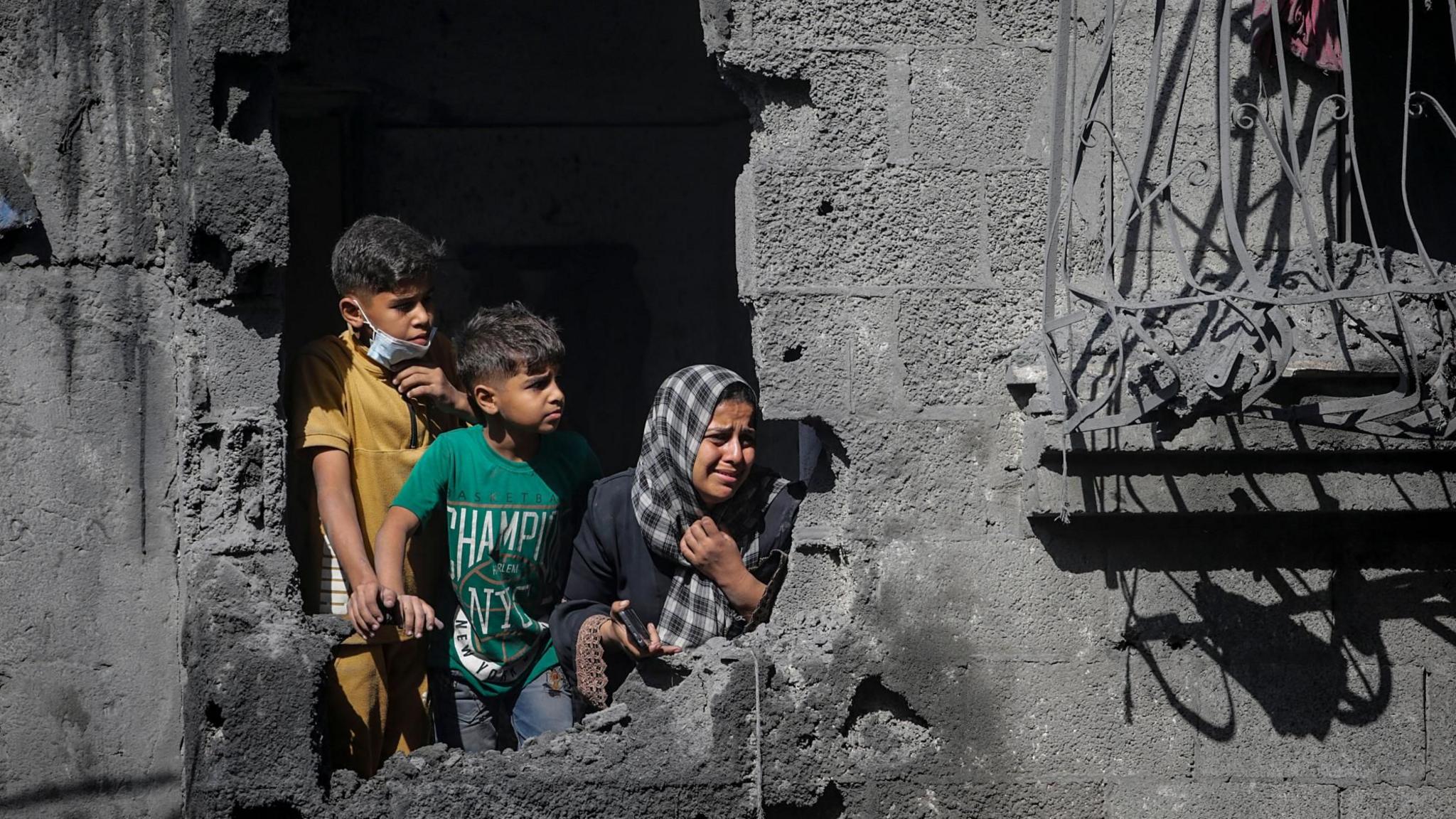
Israel's presence at Eurovision has been an increasing source of tension, primarily due to the ongoing conflict in Gaza. Following concerns raised over the voting and campaigning processes, a new set of measures was approved to protect the voting integrity at an EBU summit last week.
Despite these measures, RÚV expressed reservations, stating that many Icelandic stakeholders were opposed to participation. RÚV reiterated its call for the EBU to exclude KAN from the contest, citing historical precedents where broadcasters have been removed due to political issues.
Public sentiment in Iceland and the aftermath of the EBU summit were influential in RÚV concluding that participation would generate neither joy nor peace.
The response from Israel's KAN criticized the boycott as a form of cultural exclusion, warning that such actions could set a precedent detrimental not just to Israel but to other contestants as well.
As Eurovision prepares for its 70th anniversary, the controversy surrounding Israel's participation highlights deeper questions about political influence and the future of this beloved musical event.