In brief
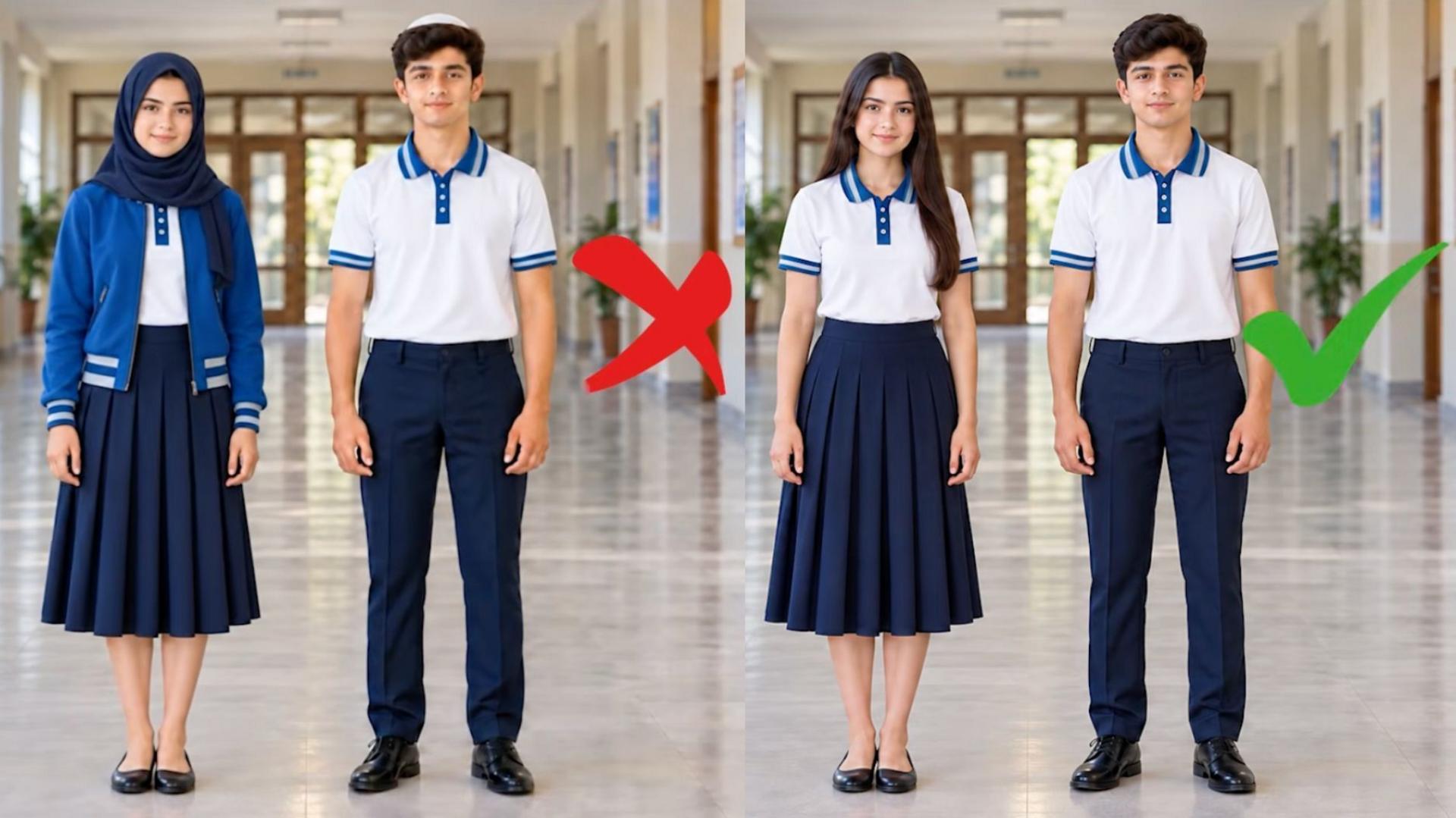
Azerbaijan’s enforcement of a new school‑uniform policy, which effectively bars students wearing hijabs, has sparked unexpected protests across Baku and southern districts. The crackdown marked by the detention of 37 protestors has re‑ignited a long‑standing tension between the secular Azerbaijani state and its religiously‑conservative population. Turkey, Azerbaijan’s closest ally, has publicly condemned the policy, sparking diplomatic frictions that ripple into broader geopolitical rifts involving Israel, Iran, and the EU. Meanwhile, digital censorship has surged as authorities block access to social‑media sites, illustrating the regime’s tight control over dissent during a period already fraught with political repression.
When Azerbaijan’s Education Ministry rolled out new uniform rules on Monday, 21 September, the policy’s focus on clothing that contradicts the principle of secularism in state schools appeared vague – yet it struck at a deeply held religious practice. Students wearing hijabs were turned away at school gates, sparking an outcry that has led to protests in Baku and in districts such as Masally and Jalilabad, a rare public dissent in the oil‑rich nation of 10.5 million people.
Twenty‑seven days after the ban, the Interior Ministry detained 37 individuals attempting to obstruct the new rules, describing their actions as a gross violation of public order. Among those detained was Shahiza Huseynova, who had stormed a Mashtaga school with a banner reading ‘The hijab does not prevent anyone from getting an education.’ Authorities warned that parents could face prison if they fail to remove their children’s hijabs.
The crackdown is a sharp reminder of President Ilham Aliyev’s intolerance for dissent. Since coming to power in 2003, his government has imprisoned opposition politicians and independent journalists, and it maintains a constitutional commitment to secularism even as the majority of Azerbaijan’s population, more than 60 percent, identifies as Shia Muslim.
Turkey’s response has amplified the frictions. Ankara’s President Recep Tayyip Erdoğan, a devout Muslim, has repeated calls for a ‘pious generation,’ while adviser Oktay Saral declared the restrictions unacceptable and urged Baku to reverse them. The Turkish Justice and Development Party’s MPs, along with Islamist groups such as Köklü Değişim and Özgür‑Der, organized small demonstrations outside the Azerbaijani embassy in Ankara and the consulate in Istanbul.
Back home, the new regulations extend to teachers, effective 6 October, and government officials warn against external interference. The sparked protests have coincided with broader regional tensions, including geo‑political strains over Israel’s armaments sale to Baku and Turkey’s altered stance on the Gaza conflict.
In the digital sphere, authorities have blocked access to Instagram and TikTok following reports of a “foreign hacker group” attacking over 100 state websites on 13 October. The 313 Team claimed responsibility, foreshadowing an escalating information war in parallel with the physical protests.
Across the country, many parents remain unaware of the policy’s religious implications, as MP Nigar Arpadarai contends that children do not choose to wear hijabs; rather, it is a family decision shaped by cultural tradition. Yet the banning of the veil raises profound questions about state control, personal liberty, and the delicate balance between secular governance and religious expression in the Caucasus.