General Carsten Breuer is a man in a hurry. As head of Germany's armed forces, he's been tasked with the rapid expansion of Germany's military potential into the strongest fighting force in Europe.
Believing that Russia's military might will reach a point where it could launch an attack on NATO territory by 2029, Breuer states, I've never experienced a situation which is as dangerous, as urgent, as it is today. His urgency comes as Germany projects an increase in military spending from €95 billion in 2025 to €162 billion in 2029—substantial backing from the German populace.
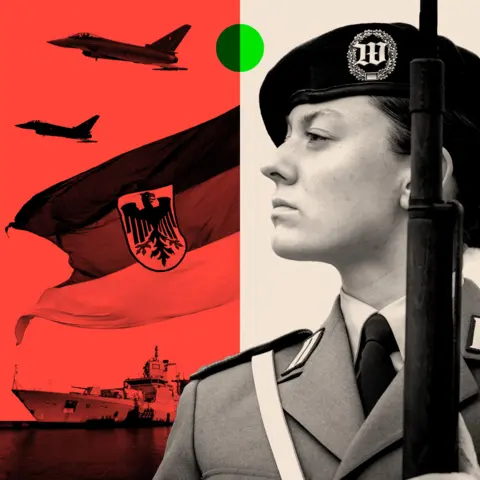
Germany’s military resurgence marks a significant shift in its historical narrative. Once remembered for the devastating wars of the 20th century, the nation is now redefining itself as a cooperative power in Europe, enhancing its military presence in countries such as Lithuania, where Germany maintains a permanent military presence for the first time since World War II.
Under Breuer’s leadership, Germany aims to create a professional army totaling 240,000 personnel, including a reserve force, while fostering a shift from complacency toward operational independence from U.S. military support. Breuer emphasizes the need to evolve Germany’s military capabilities, focusing on intelligence, surveillance, reconnaissance, and deep strike capabilities.
As Europe grapples with the implications of Russian aggression, how will Germany balance its newfound military capabilities with its historical legacy? The pressures of modernization in the face of growing threats provide a paradoxical opportunity for Germany to establish itself as a stabilizing force in European defense.