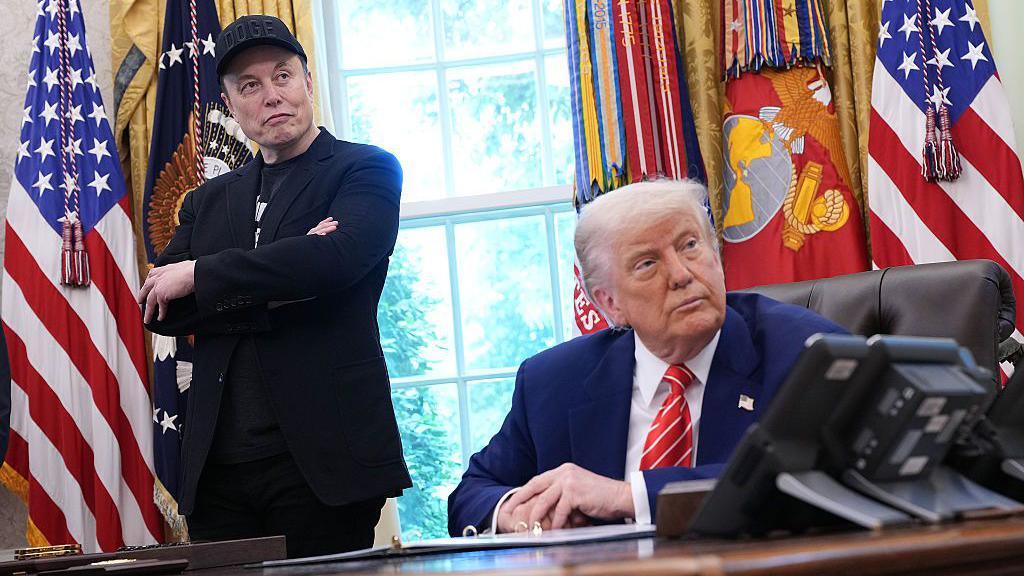
GAO Criticizes Doge’s $110bn Savings Claims as Inaccurate
The Government Accountability Office (GAO) has released a comprehensive audit finding that many of the savings estimates advanced by Doge – the now‑defunct agency that once aimed to slash federal spending – are either wrong or lack supporting evidence. The audit, which was requested by Democratic Senators Gary Peters and Richard Blumenthal, examined figures reported by Doge from January 2025 to July 2026.
Doge’s flagship public display – the “Wall of Receipts” – claimed that it had saved a staggering $110 billion across contracts, grants and leases. However, the GAO report notes that the agency failed to provide sufficient detail on how 96 percent of the reported savings were calculated, raising concerns over transparency and reliability. For instance, 108 of the 264 leases that Doge listed for termination had already been nearing expiration before Doge was established, accounting for only about $15.3 million of the $53.5 million it claimed to have saved.
The audit also identified several cases where Doge’s savings were never realized. One high‑profile example involved a $1.7 billion defense contract for IT services. Doge asserted that ending the contract would save that amount, yet the Guard report indicated that the contract was never terminated, meaning no savings were achieved.
While Doge’s mission to eliminate waste, fraud and abuse was reportedly embraced by the administration, a GAO spokesperson said the agency’s efforts were “slapdash and deceptive” and that the initiative misled the public, damaging the government’s ability to serve its citizens. Senator Peters said, “Everyone supports rooting out waste, fraud, and abuse in the federal government, but Doge was a slapdash and deceptive effort that misled the American people while doing real damage to the government's ability to serve them.”
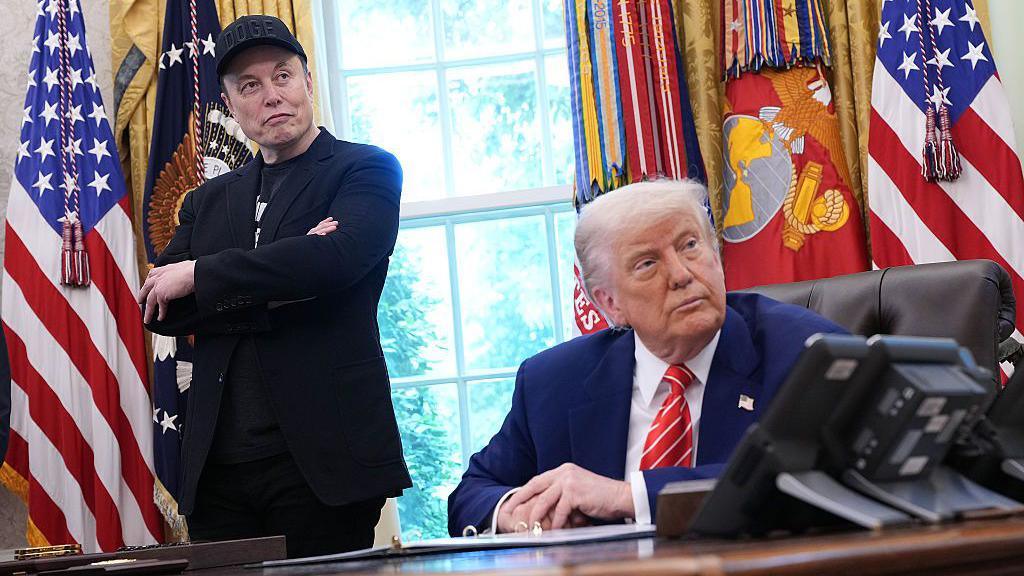
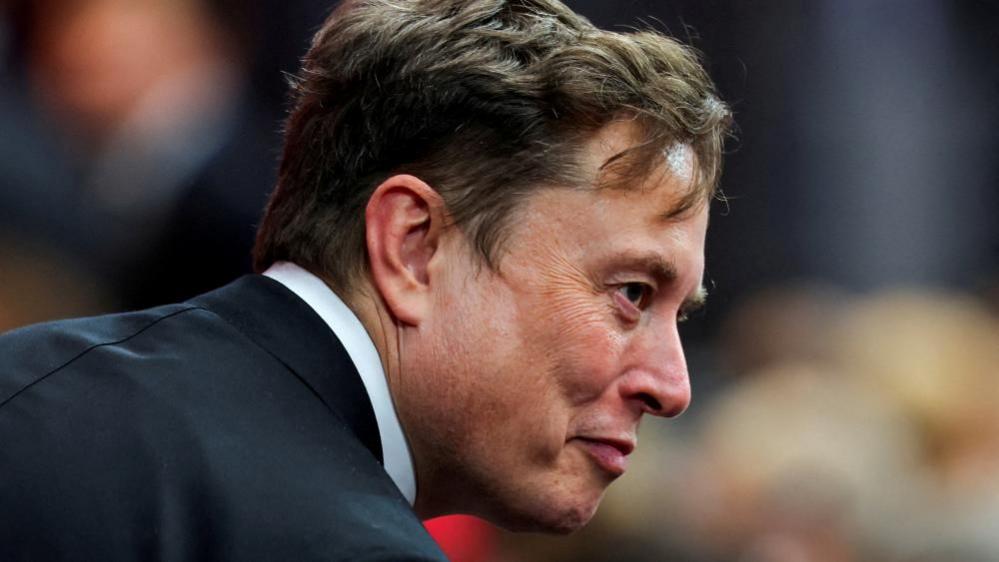
Elon Musk, who led Doge from its inception until his resignation in May 2025, had pledged to save up to $2 trillion a year by cutting federal jobs and shutting down programs. The agency’s website reported that it had saved $214 billion – still far below Musk’s ambitious target.
Some of Doge’s aggressive cost‑cutting moves led to legal challenges and subsequent reversals. For example, when the initiative fired bird flu officials at the Department of Agriculture, the administration swiftly rehired them to maintain public health oversight.
After closing last month, Doge announced that while its formal mission had ended, its broader goal of eliminating waste and ensuring accountable government would continue. Nonetheless, the GAO findings cast doubt on the validity of its reported savings and call for greater scrutiny of public spending claims in future initiatives.