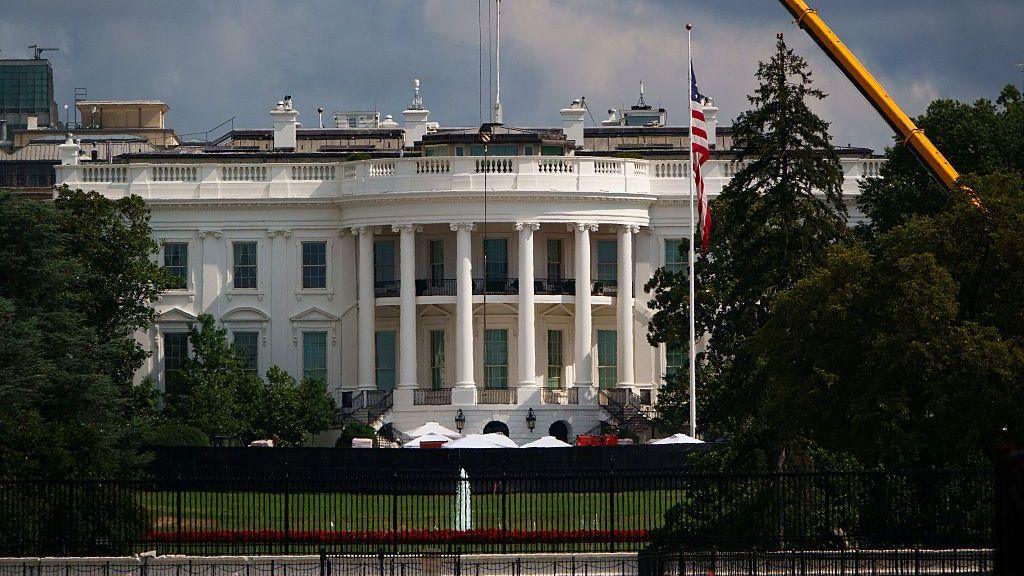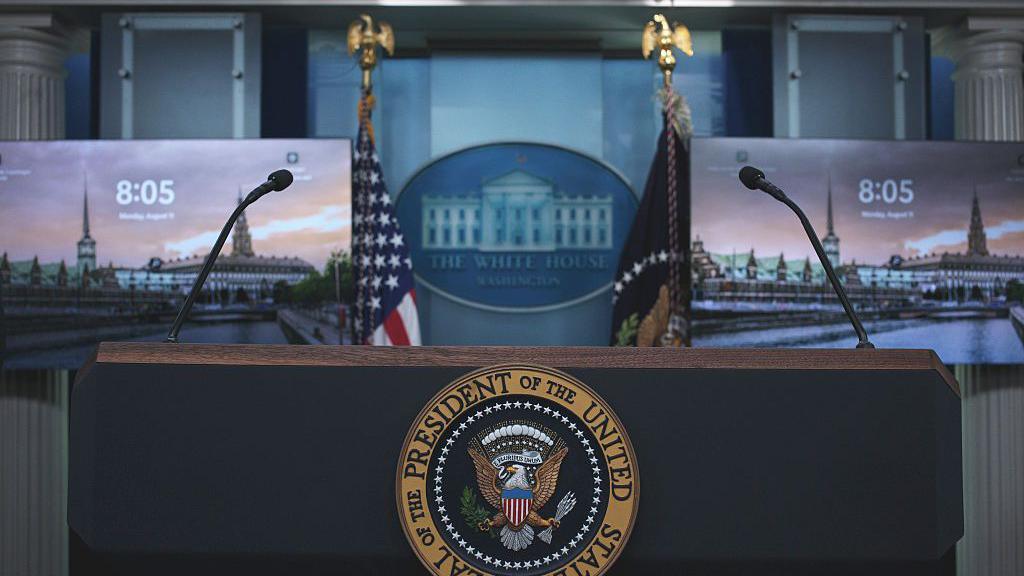
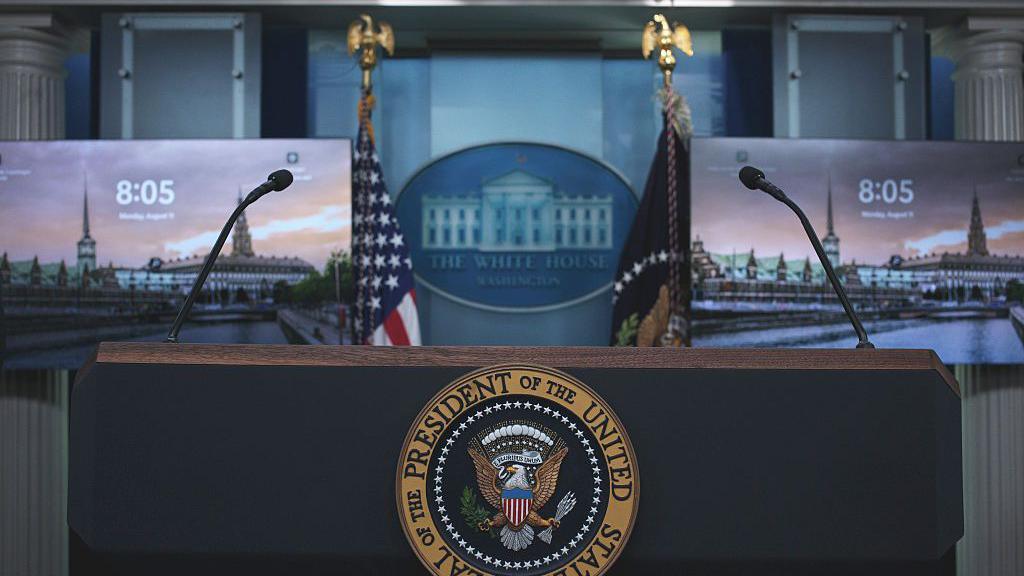
Who will replace Karoline Leavitt in the White House press room?
Trump’s long‑time press secretary, a firm of loyalty who steered the tower through a series of crises, announced her departure at the close of August. The President’s press office is now a revolving door, with candidates lined up that reflect the wide breadth of early‑career experience within the administration and beyond.
Alina Habba – Trial lawyer turned political adviser
A former presidential counsel with a sharp legal mind, Habba has a reputation for vigorous courtroom work and a commitment to Trump’s legacy. In a future where she takes the reins, the briefings could focus on legal messaging, a sharper emphasis on the President’s judicial appointments and a reinforcement of his campaign‑style rhetoric.
Katie Miller – Media entrepreneur and political insider
Miller’s career spans radio, podcast and traditional media, coupled with experience as a former White House aide. An alternate path might centre on building a new platform for Trump‑aligned coverage, echoing her approach at the Republican National Committee and her partnership with Stephen Miller on policy messaging.
Anna Kelly – Former beauty queen now political operative
A former deputy press secretary who carried the sheen of a public‑facing role, Kelly could broaden outreach to a wider audience. In a scenario where she leads the press office, briefings may adopt more narrative‑driven complaint threads on the President’s domestic agenda.
Sage Steele – Broadcast anchor with a partisan stance
Steele’s experience in broadcast journalism and her outspoken support of Trump could shift the White House to a more aggressive stance on media coverage. A future with Steele at the podium might highlight politics‑heavy line‑ups and a more confrontational approach to the press corps.
Steven Cheung – Communications director with an unrelenting style
Cheung’s history as a Chief of Staff and as a former UFC communications lead combines a readiness for rapid response with an appetite for high‑stakes battles. In a scenario that uses Cheung, White House briefings could become a battlefield, characterised by brief direct replies that echo his “no‑compromise” stance.
Tricia McLaughlin – Homeland Security vet with a defensive approach
McLaughlin’s background in homeland security and public affairs positions her to focus on national‑security messaging. In a possible second future, her tenure could bring a stronger narrative on defense and border policies, with higher‑profile briefings on emergency protocols.
Scott Jennings – Confrontational commentator with a party‑deep history
Known as a sharp‑tongued defender of Trump on CNN, Jennings would bring an abrasive yet highly communicative style. In an alternate timeline, short, retort‑heavy briefings could see an intensity aimed at undercutting media narratives and strengthening the President’s message to loyal audiences.
As the White House ominously clears out Karoline Leavitt’s records, any candidate stepping into the position will carry a burden that extends beyond mere change of guard. The choice will shape the way the President interacts with the media, how quickly he can pivot on policy announcements, and ultimately, whether the administration’s narrative will remain tight or fray under constant public scrutiny.
Last updated 53 minutes ago