Canada's Tariff Counterattack Tests Trump's Global Muscle
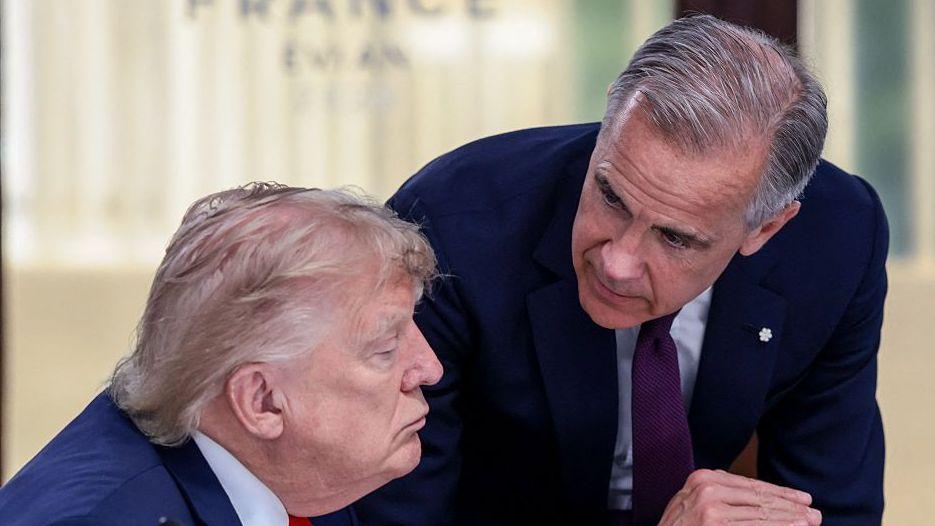
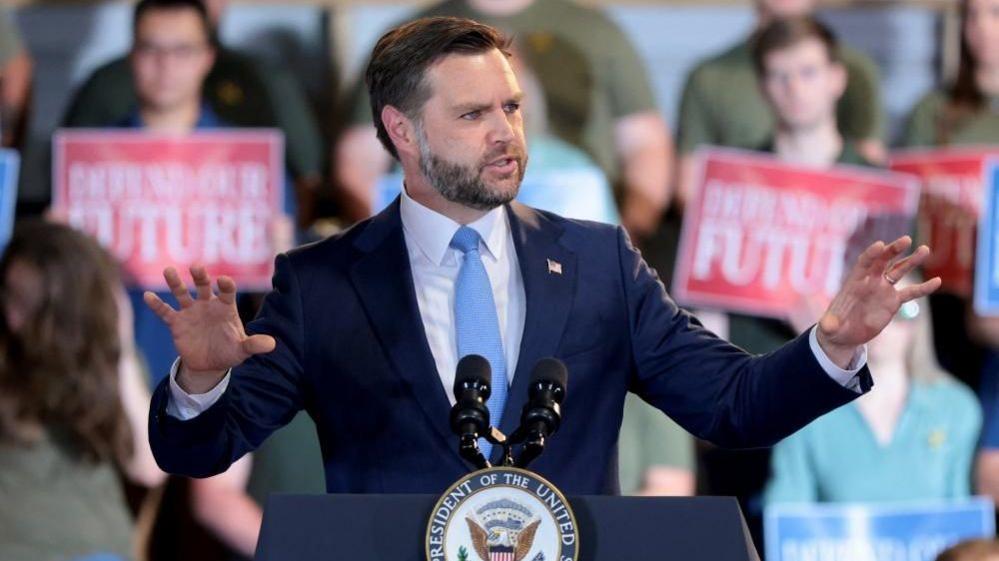
A privacy‑shrouded conversation by Vice‑President JD Vance two days before the stalled US‑Canada trade talks had ripple effects that went beyond a single comment. The audio, captured during a private fundraiser in Maine, revealed Vance calling Prime Minister Mark Carney a "very sweet guy" and noting that the Canadian leader “puffs his chest out and says: ‘I’m going to, like, out‑tough Donald Trump.’” These remarks may not have caused the abrupt collapse of the negotiations, but they certainly did not help the situation.
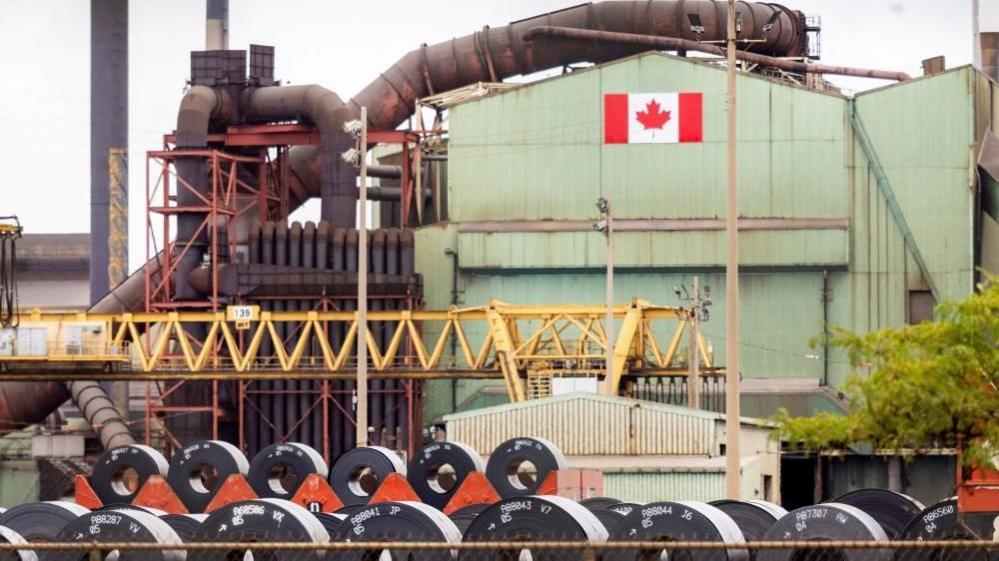
The collapse of the trading negotiations came on a backdrop of a trade relationship valued at more than $872 bn per year and a decade‑long tension that began when the Trump administration renegotiated the USMCA. Canada’s unilateral tariff response – a 50 % duty on all US‑made vehicles and auto parts – was the first consequence of a negotiation that had been stalled for weeks.
Vance’s lewd reference to Carney was shot right into the heart of a trade partnership that has been the butt of political jokes since the first Trump administration. Even though some Canadians were amused, they were far from amused about the tariffs that followed.
When Trump took over, he treated Canada as both a potential ally to be rattled and a target to be used. Since 2017 he has defined North America as the Atlantic’s front line, with every trade contortion or political misstep used to test the region’s loyalty. Canada’s response shows that the country is willing to use its own level of leverage – instant tariffs, future energy restrictions, or even consumer boycotts – to push back.
The tariff timeline is uneven, with Canada’s penalties kicking in over the next two weeks while the most blunting US‑side measure will not activate until early 2027. That gap could afford negotiators a window to resume talks, yet the underlying distrust remains because each side has found a new angle to exert pressure.
The coming November midterm election in the United States adds another layer of uncertainty. A Democratic victory could weaken Trump’s hand, whereas a Republican buffer might embolden him to continue the policy of economic push‑back. For Canada, the stakes are high: securing a trade framework that does not implicate Canadian firms or the North American economy is a priority, and a protracted break‑in-confidence could affect millions of Canadian workers.
One broader question is whether Canada will retreat to a US‑centric economy or carve a path that stars its own fiscal policy. The current dispute could be the first sign that the future of North America is split into competing economic corridors, each supported by belligerent rhetoric and formidable tariff tools.
If Canada can stand firm, it may inspire other partners to investigate their own leverage against the United States. Trump’s “economic security is national security” stance has become a playbook for any nation that feels it can be squeezed by its powerful neighbour. For now, the corridor remains wide open for debate, but the next few months will reveal whether the two countries can anchor a consensus or if the fissure will deepen further.