WASHINGTON (AP) — In a significant move ahead of the upcoming elections, the Campaign for a Family Friendly Economy has announced plans to invest $50 million to support Democratic candidates in congressional races. The initiative aims to spotlight the rising costs of childcare and eldercare, linking these issues to the broader affordability debate facing American families.
As the costs associated with childcare continue to rise, many families are feeling the pressure, with charges often exceeding housing expenses. The campaign's efforts come as the waiting lists for federal childcare subsidies grow longer, indicating a pressing need for policy change.
Sondra Goldschein, the executive director of the campaign, stated, When childcare can cost more than your rent or a mortgage, or you have to sacrifice a paycheck in order to be able to take care of a loved one, that can strongly influence how people vote. Goldschein noted that the increasing recognition of childcare's impact on the electorate is observable every election cycle.
This advocacy campaign will direct resources toward critical Senate races in states such as North Carolina, Georgia, Michigan, Maine, and Ohio, as well as House races in Iowa and Pennsylvania. Volunteers will also be mobilized to engage directly with voters on the importance of addressing caregiving issues.
With the economic landscape shifting due to factors like rising gas prices influenced by geopolitical tensions, the campaign aims to resonate with families grappling with various financial burdens.
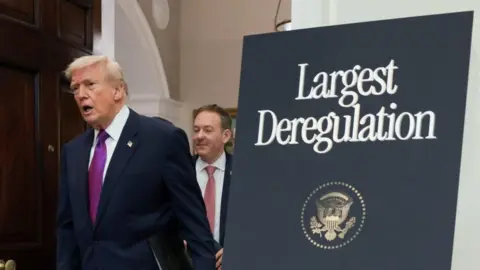
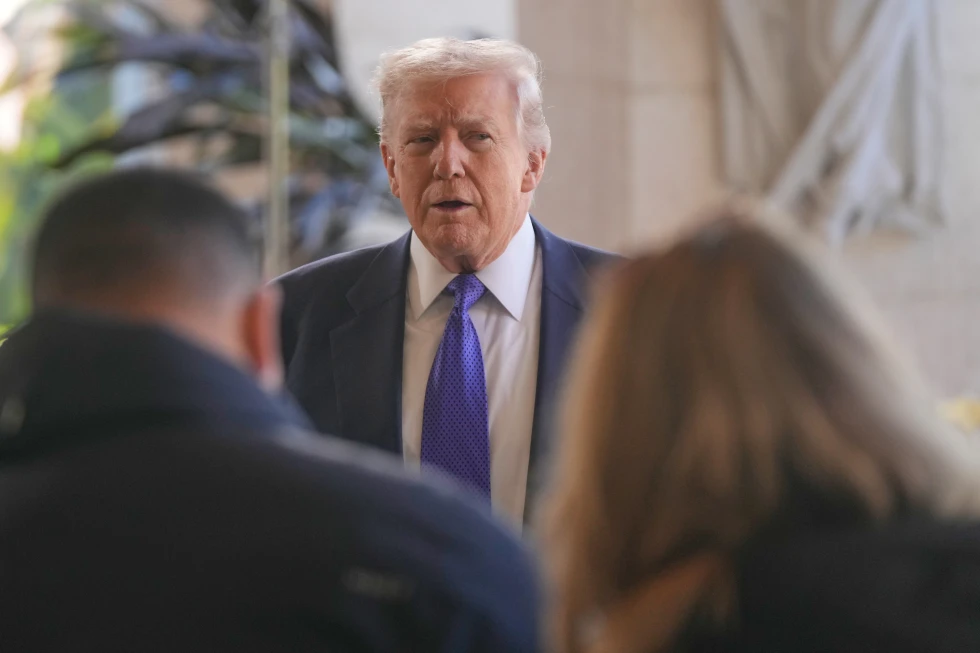
Interestingly, while Republicans have begun to endorse childcare as a key issue for workforce growth, their proposals have generally been less ambitious compared to those of their Democratic counterparts. An indication of this shift was seen last year when, through a policy spearheaded by former President Donald Trump, an estimated 4 million more families became eligible for a childcare tax credit, and increased childcare aid was provided to military families.
Historically, discussions surrounding childcare were infrequent among candidates until the disruptions caused by the pandemic highlighted the critical nature of childcare services. In the wake of this realization, former President Joe Biden secured $39 billion in aid for childcare in 2021, enabling states to expand support for more families. Biden also sought to implement a universal prekindergarten initiative, which, although it did not pass, highlighted the continuing importance of childcare in political discourse.
Now, several candidates are rallying around universal childcare pledges in their campaigns, fostering a narrative that prioritizes working families amidst mounting costs. This includes figures like New York Mayor Zohran Mamdani, who ran on a platform advocating for universal childcare coverage.
As the election cycle heats up, how candidates choose to address the issue of childcare affordability may play a pivotal role in shaping voter sentiment.
The National Republican Congressional Committee has yet to respond to requests for comments regarding their stance on these developing issues. Nonetheless, the growing emphasis on caregiving in campaign platforms suggests it will remain a key area of contention in future political discussions.