FIFA Investigates VAR Official’s Controversial Gesture During World Cup Match
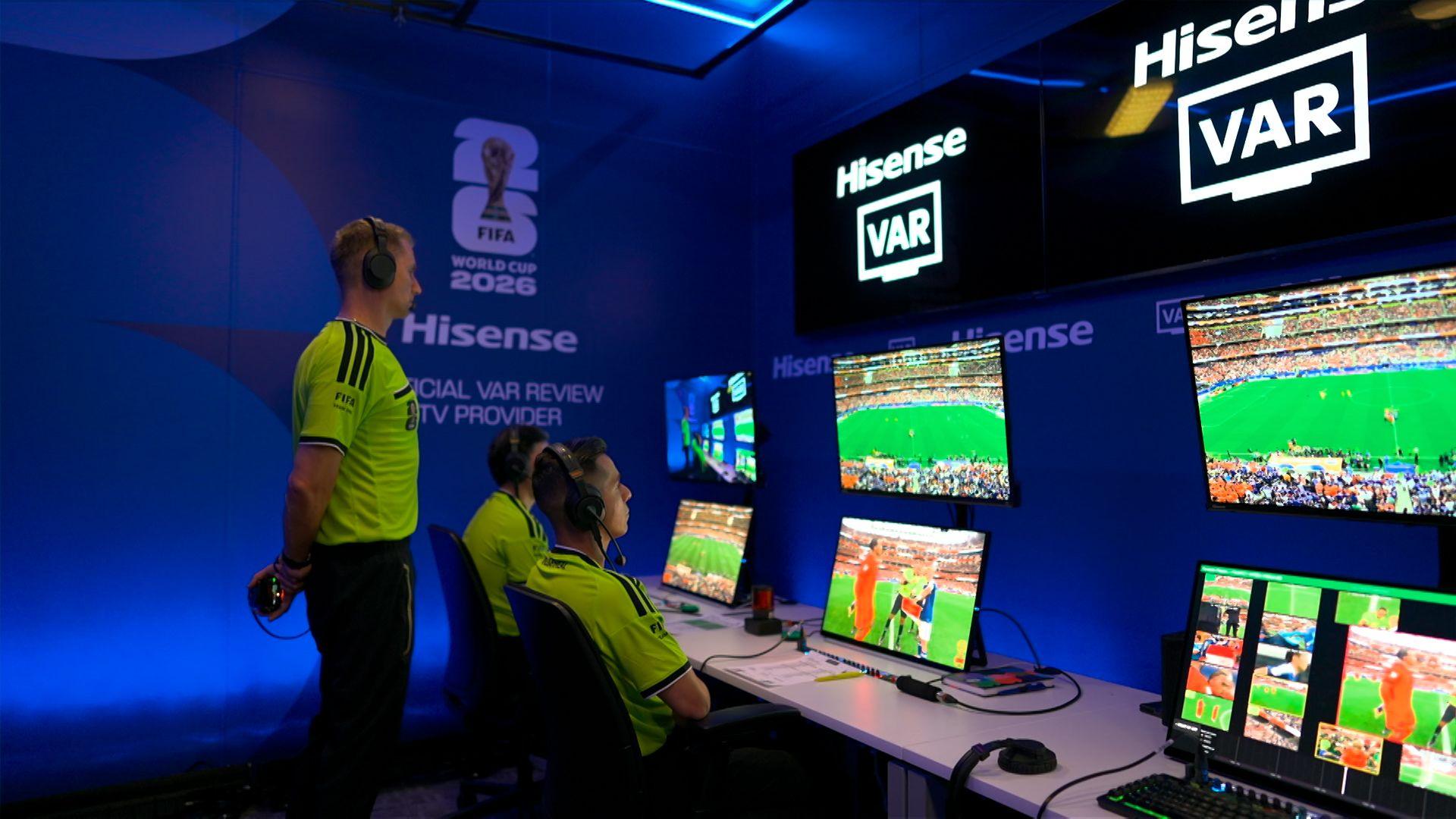
During the tournament’s opening clash, German side thumped Curaçao 7‑1, but the match’s after‑match footage unspooled a different kind of drama. As the video cut to the referee hub, VAR official Shaun Evans stood tall, a hand raised to the side before twisting the fingers into a form resembling a reversed ‘OK’ sign. The gesture, which can appear simple at first glance, carries a dark association in some corners of the world as a symbol linked to far‑right movements.
The clip was uploaded to the World Cup’s live feed and swiftly found its way into millions of feeds online, triggering an avalanche of speculation across Twitter, Instagram and other platforms. Confronted by a mix of amusement, consternation, and outright outrage, fans debated whether the motion was an innocent flourish or a calculated signal.
At the heart of the dispute, FIFA has reached out to its international governing body, stating, “We are seeking an explanation from the official involved.” While no formal response has yet been issued, sources close to the federation claim that the governing body is interviewing the Australian VAR specialist, who has been on FIFA’s officiating roster since 2017 and last appeared on the 2022 Qatar squad.
Anti‑discrimination organizations such as Fare, which partners with FIFA and UEFA to tackle racism, and Kick It Out, a UK‑based football advocacy group, have requested clarification on the gesture. The ADL’s 2019 list of hate symbols, which includes the upside‑down ‘OK’, made the gesture even more contentious, adding a layer of legal and moral urgency to the inquiry.
In the wake of the incident, subsequent Bundesliga matches no longer featured the VAR team posing for the camera. Instead, the officials were shown staring at their monitors, a subtle shift that may signify FIFA’s tightening oversight on any post‑match theatrics that could be misinterpreted.
Football’s world is a microcosm of broader cultural tensions. The episode illustrates how momentary gestures, captured through an increasingly instantaneous global feed, can ripple outwards, inciting debate on how athletes, officials and fans interpret and meaningfully respond to expressions that carry ambiguous or polarised connotations.