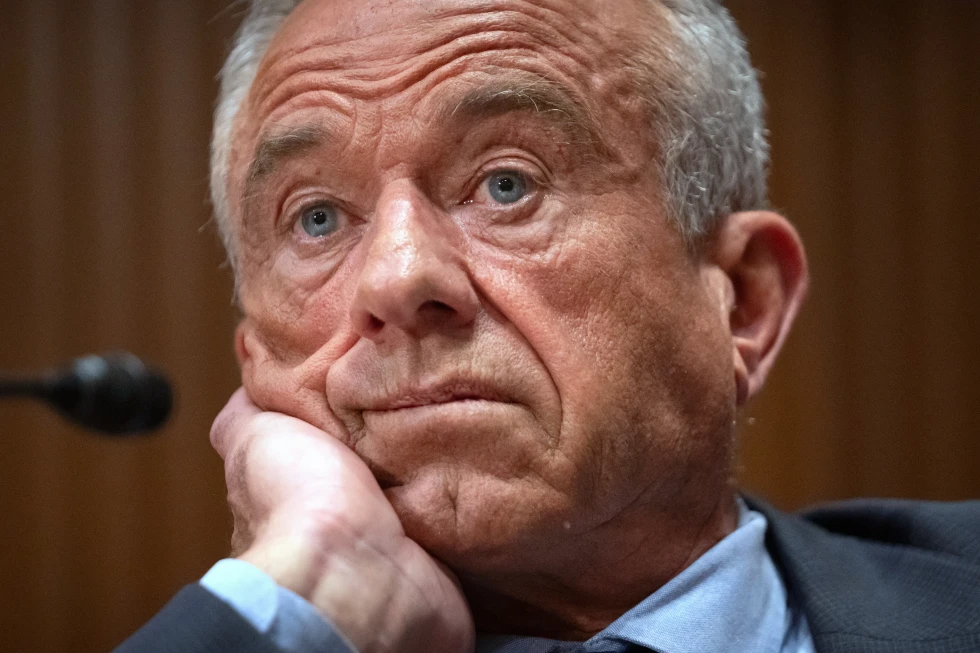
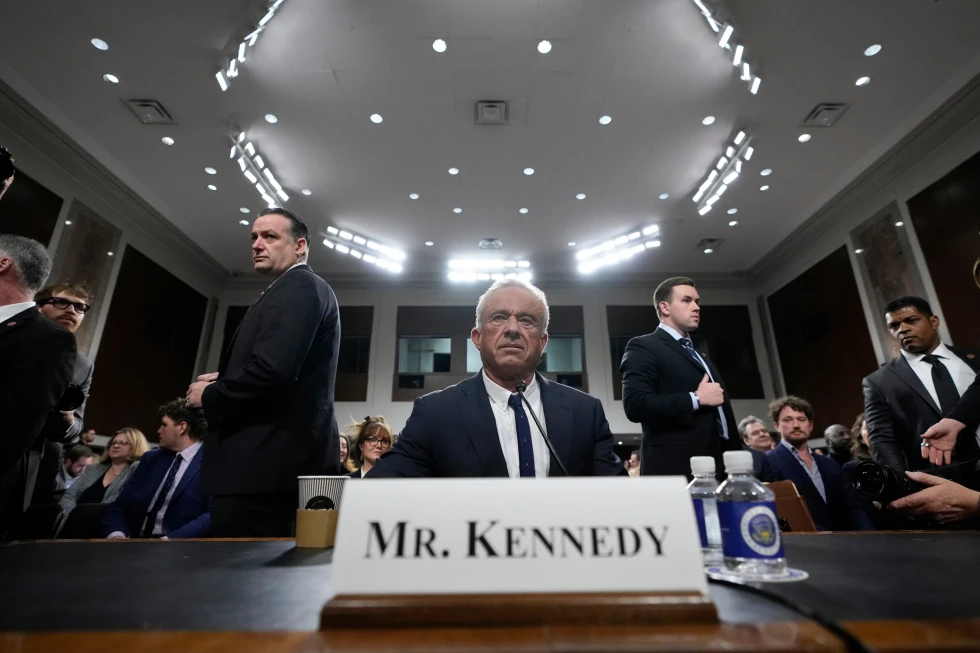
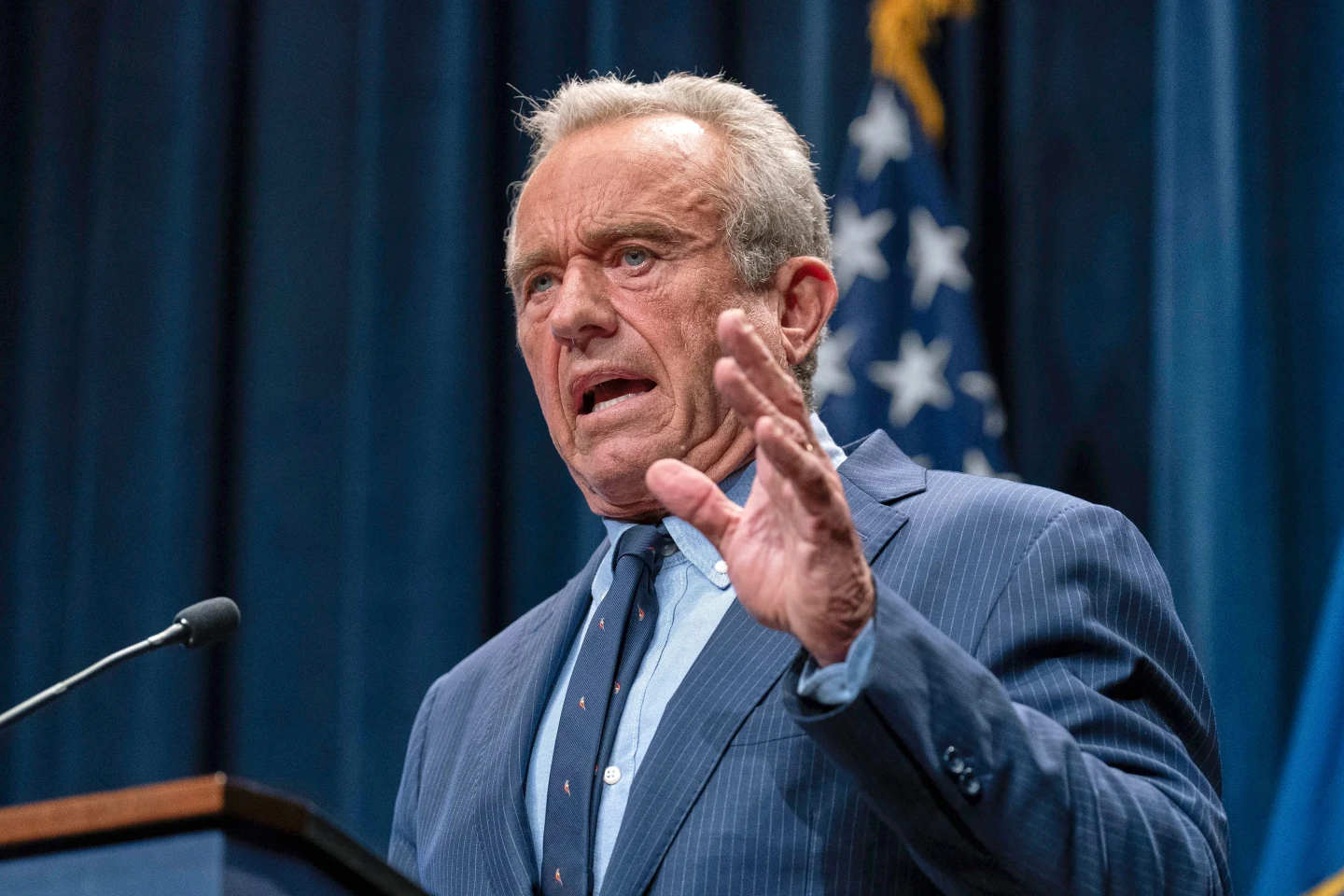
WASHINGTON (FluxDaily) — The Food and Drug Administration (FDA) is gearing up for a crucial meeting this summer to reconsider constraints on a range of peptide injections, which have become increasingly popular among wellness influencers, fitness enthusiasts, and celebrities. This announcement, made on Wednesday, comes in the wake of Health Secretary Robert F. Kennedy Jr.'s vigorous campaign to relax the regulatory framework surrounding these substances, touted for their potential to enhance muscle growth, expedite recovery from injuries, and contribute to a more youthful appearance.
The meeting, scheduled for July, will involve a panel of external pharmacy advisers who will assess seven specific peptides to determine whether they warrant removal from a high-risk drug category. Currently, the FDA's guidelines classify these treatments as unapproved therapies due to their lack of sufficient clinical research validating their safety and effectiveness.
Kennedy, who himself has used peptides for personal health issues, has received substantial backing from influential figures and members of his Make America Healthy Again movement, including those like Gary Brecka, who markets various peptide formulations. The meeting's outcomes are considered pivotal as several of the most commonly discussed peptides include BPC-157, known for its injury healing claims, and TB-500, which advocates argue can help with muscle repair.
Previously, under President Joe Biden's administration, the FDA restricted numerous peptides, specifically targeting those marketed through compounding pharmacies—businesses that provide tailored medications not produced commercially. The agency expressed significant safety concerns, mentioning potential risks related to these untested peptides, particularly in regard to long-term health implications.
At the forthcoming meeting, FDA committee members will weigh the potential medical uses of peptides against the backdrop of safety research deficits. While advocates argue for their therapeutic applications, many within the industry fear that current restrictions have paved the way for an underground market, importing unregulated and potentially unsafe products from abroad.
As the popularity and demand for peptides surge, the FDA's upcoming decisions could have far-reaching implications for both regulatory practices in the wellness industry and consumer safety. The dialogue surrounding these substances exemplifies the broader conversation about modern health practices and the emerging trends in dietary supplements and alternative therapies.