Warning: This story contains references to sexual assault and suicide.
The death by euthanasia of a 25-year-old Spanish woman after a protracted legal battle with her father has triggered debate about the role of the state in caring for her and why it took so long to implement her wish to end her life.
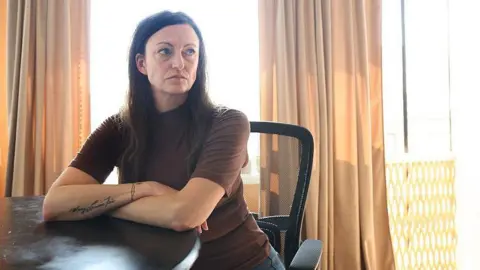
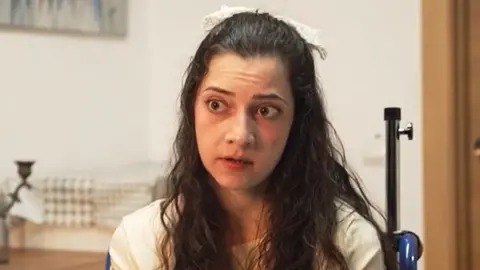
Noelia Castillo, who had been left paraplegic due to injuries suffered when she tried to take her own life in 2022, died on Thursday evening at a Barcelona hospital.
The Catalan regional government had granted her the right to assisted dying in 2024. However, the process was suspended at the last moment after legal objections raised by her father, backed by the campaign group Christian Lawyers.
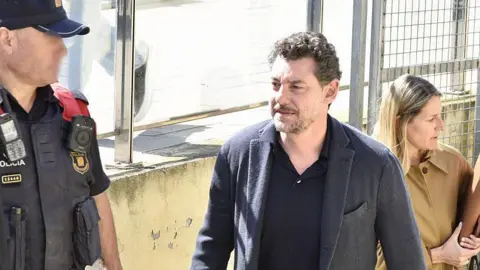
The case has received enormous attention in Spain, with Christian Lawyers attempting to block her death until the last moment.
After an 18-month legal battle, the European Court of Human Rights ruled this week in favor of Noelia Castillo, and her death was eventually confirmed late on Thursday.
Castillo had spent much of her childhood in care homes and had recounted the impact on her mental health from experiences of familial alcohol abuse and sexual assault by an ex-boyfriend and several men in a nightclub.
In a TV interview, she mentioned that nobody in her family supported her decision to die by euthanasia and expressed her desire to find peace. Her mother, despite disagreeing with her decision, accompanied her during her final days.
A friend attempted to convince her to change her mind but was denied access to the hospital. British pianist James Rhodes reached out via social media, encouraging her to reconsider and offering assistance for her medical costs.
The response from various sectors, including the opposition conservative People's Party, highlights the alleged failure of the state to provide adequate care for Castillo. The Catholic Church also called attention to the systemic failures reflected in her case.
However, some feel her rights were undermined by the legal actions of her father and allies. The leftist media criticized the legal crusade that prolonged her suffering instead of facilitating her wish for euthanasia.
The ongoing discussion surrounding Castillo's case reflects broader issues relating to euthanasia, mental health, and the responsibilities of the state in safeguarding the welfare of vulnerable individuals.
Spain’s euthanasia law allows qualified adults, suffering incurable diseases or disabilities, to seek assistance in dying, provided they express their wishes clearly without coercion.