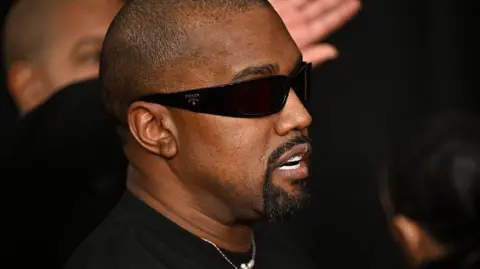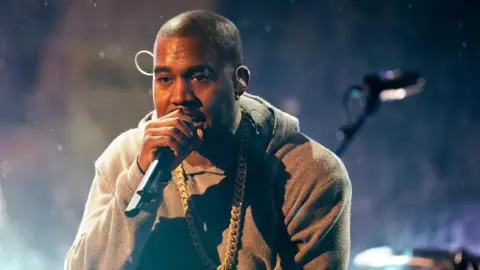
This summer's Wireless Festival has been canceled after headliner Kanye West was blocked from entering the UK.
The government refused permission for West, now known as Ye, to travel to the UK due to backlash against his planned performance amid numerous past controversies involving antisemitic, racist, and pro-Nazi comments.
In a statement, Wireless Festival confirmed that refunds would be issued to all ticket holders and noted that multiple stakeholders were consulted about West's booking, with no concerns raised at that time.
The festival's organizers expressed that they recognize the severe impact of antisemitism, stating, Antisemitism in all its forms is abhorrent, and we recognize the real and personal impact these issues have had. They also referenced West's acknowledgment that words alone are not enough and highlighted his desire to engage with the Jewish community in the UK.
Ticket pre-sales for the festival sold out quickly, but the festival's prospects took a dramatic turn following a refusal from the Home Office regarding West's visa application, citing that his presence would not be conducive to public good.
This situation has drawn mixed reactions from fans, many of whom supported the decision to cancel and those who expressed disappointment over the loss of an anticipated performance.
The controversy surrounding West is not new, with a history of harmful remarks culminating in his recent attempt for public rehabilitation, including outreach efforts to the Jewish community. Critics have voiced concerns about the public's safety and societal impact related to his proposed appearance.
As discussions about accountability in the music industry continue, the cancellation of the Wireless Festival serves as a significant example of the complexities involved in managing artist conduct and public sentiment.