In brief
The federal government has imposed emergency rule in the province that has been the base of former Prime Minister Imran Khan’s politics. Schools were closed, internet access was blocked and the army occupied key road junctions while the provincial government was suspended. Officials claim the step is a safeguard against terror links with PTI, but critics say it will reignite protests and widen the rift between civilian leadership and the military. With Pakistan already battling rising militancy and fragile foreign relations, a crackdown of this scale may provoke further unrest and undermine democratic institutions. The decision is being watched closely both domestically and by regional powers for its long‑term consequences.
On Sunday Islamabad declared a state of emergency in Pakistan’s Khyber Pakhtunkhwa province, the political bastion of the late former Prime Minister Imran Khan’s party. The move shut schools, throttled internet access and saw army troops block major roads, effectively suspending the provincial administration.
Federal officials argue the measure is a measure against terror links that they say exist between the PTI provincial government and extremist groups. The federal information minister referenced “hand in glove” ties, a claim that has yet to be substantiated with evidence.
Despite the crackdown, hospitals and schools in Peshawar were reopened within two days and data services largely returned to normal. Yet those gathering on the streets—the PTI supporters—saw police use tear gas to disperse protests, and several party leaders have gone into hiding.
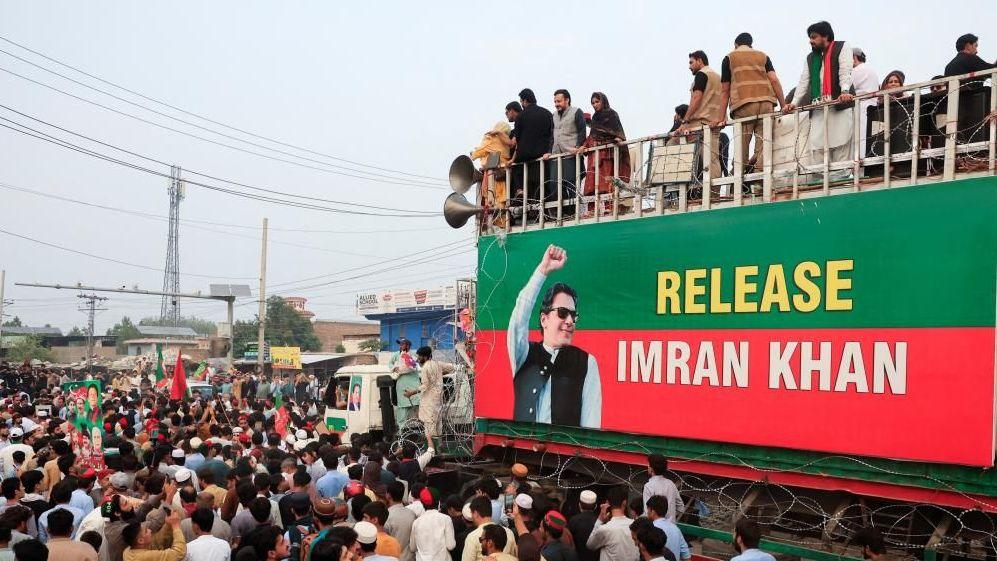
Observers note the timing of the emergency coincides with a week‑long march by thousands of Khan’s supporters through the province demanding his release. Some analysts argue that the protest march itself may have triggered the government’s action, while others see it as a pretext to clamp down on the opposition.
Khyber Pakhtunkhwa’s Chief Minister, Sohail Afridi, remains in a state of uncertain custody. One report claims he has been arrested, another says he is in protective custody. The province also still carries the weight of three PTI sisters who have been detained since September on allegations of mobilising supporters.
Security analysts warn that Pakistan’s already stretched resources—dealing with rising militancy, strained neighbourly ties and a volatile domestic scene—may be tested further by this heavy‑handed intervention. The country has been ranked the top contributor in the Global Terrorism Index 2026, with drone attacks, cross‑border strikes and internal insurgent activity already challenging national cohesion.
Academics point out that a top‑down counter‑terrorism push could have a high cost in lives and a low cost in restoring stability. If the army’s operations result in casualties within its ranks, questions could arise about the military’s willingness to engage in prolonged conflict, a precedent that has shaken Pakistan’s political history on several occasions.
China and the United States have shown support for Pakistan’s security measures, but the international community watches keenly for any signs that a severed civilian‑military balance may widen the gap between Pakistani democracy and its underlying autocratic tendencies. Whether the emergency rule will subdue the discontent or instead amplify it remains a pivotal concern for the region’s future stability.