In brief
Indonesia’s central Kalimantan is battling its worst wildfire season in a decade, as deep peat fires release toxic smoke that blankets the region and reaches neighbouring countries. The BBC’s Liza Tambunan investigates why peat, a carbon‑rich soil layer, behaves differently from ordinary forest fires and why it is so difficult to extinguish. He describes how peat ignites when it dries under drought, burns underground for weeks, and releases staggering amounts of carbon dioxide and particulate matter. The article also highlights the far‑reaching health effects of the haze on millions, the economic toll on local communities, and the urgent need for better fire‑management policies.
Why Peat Fires Are Harsher Than Forest Fires
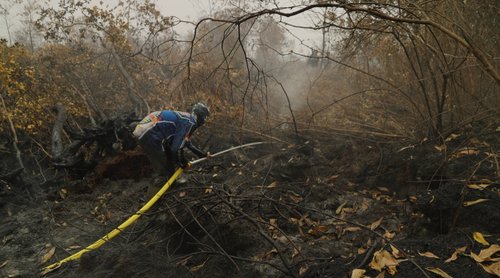
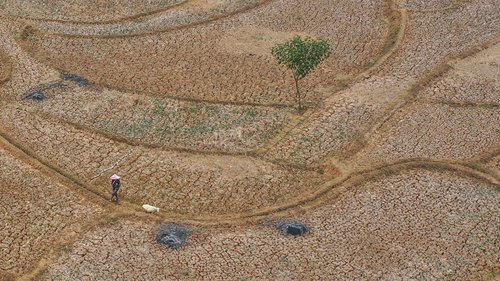
Peat is a dark, spongy soil that accumulates from partly decomposed plant material in waterlogged tropical swamps. Unlike ordinary forest soil, peat can swell and retain moisture but turns highly combustible when it dries out during the dry season. When the slick surface of peat cracks and catches fire, the flames can burn underground for days or weeks, hidden beneath the charred surface.
This underground combustion releases vast amounts of carbon dioxide, methane and fine particulate matter—smoke that can travel hundreds of kilometres. In 2026, central Kalimantan’s peat fires produced one of the most severe haze episodes on record, with PM2.5 levels exceeding health‑safe thresholds in Jakarta, Singapore and Malaysia.
Local communities experience high rates of respiratory illnesses, while the haze disrupts aviation, reduces daylight visibility and forces schools and hospitals to close. Economically, the fires damage timber, oil palm plantations and tourism revenue, and they raise Indonesia’s carbon emissions, undermining global climate goals.
The BBC’s Liza Tambunan travelled to the heart of the fire zone to witness the challenges of firefighting crews working in darkness, and to interview scientists explaining why restoring wetlands is a more sustainable long‑term solution than fire suppression alone.
With climate‑induced drought likely to intensify, Indonesia’s peatlands could become even more vulnerable, turning towering forests into black horizons of ash. Understanding and mitigating peat fires is not only a national concern but a global imperative, as the smoke that leaves Kalimantan’s skies reaches citizens millions of miles away.