WASHINGTON (AP) — The head of the Environmental Protection Agency (EPA), Lee Zeldin, incited controversy at a recent conference by proclaiming the repeal of a foundational climate regulation. Addressing attendees primarily composed of climate change skeptics, Zeldin characterized the decision as a ‘celebration of vindication.’
The EPA's removal of the 2009 'endangerment finding'—a critical scientific conclusion identifying greenhouse gases as a public health threat—was an act supporting a broader agenda favoring industry over environmental protections. This repeal aligns with President Trump’s directives to roll back progressive environmental policies.
Zeldin reflected on the history of climate activism as he remarked, 'Today is a day to celebrate. It is a day to celebrate vindication.' The administrator, a former Republican congressman, emphasized that the finding had perpetuated a narrative instigated by 'liberal politicians' and environmental groups, asserting that this reversal fosters economic growth significantly.
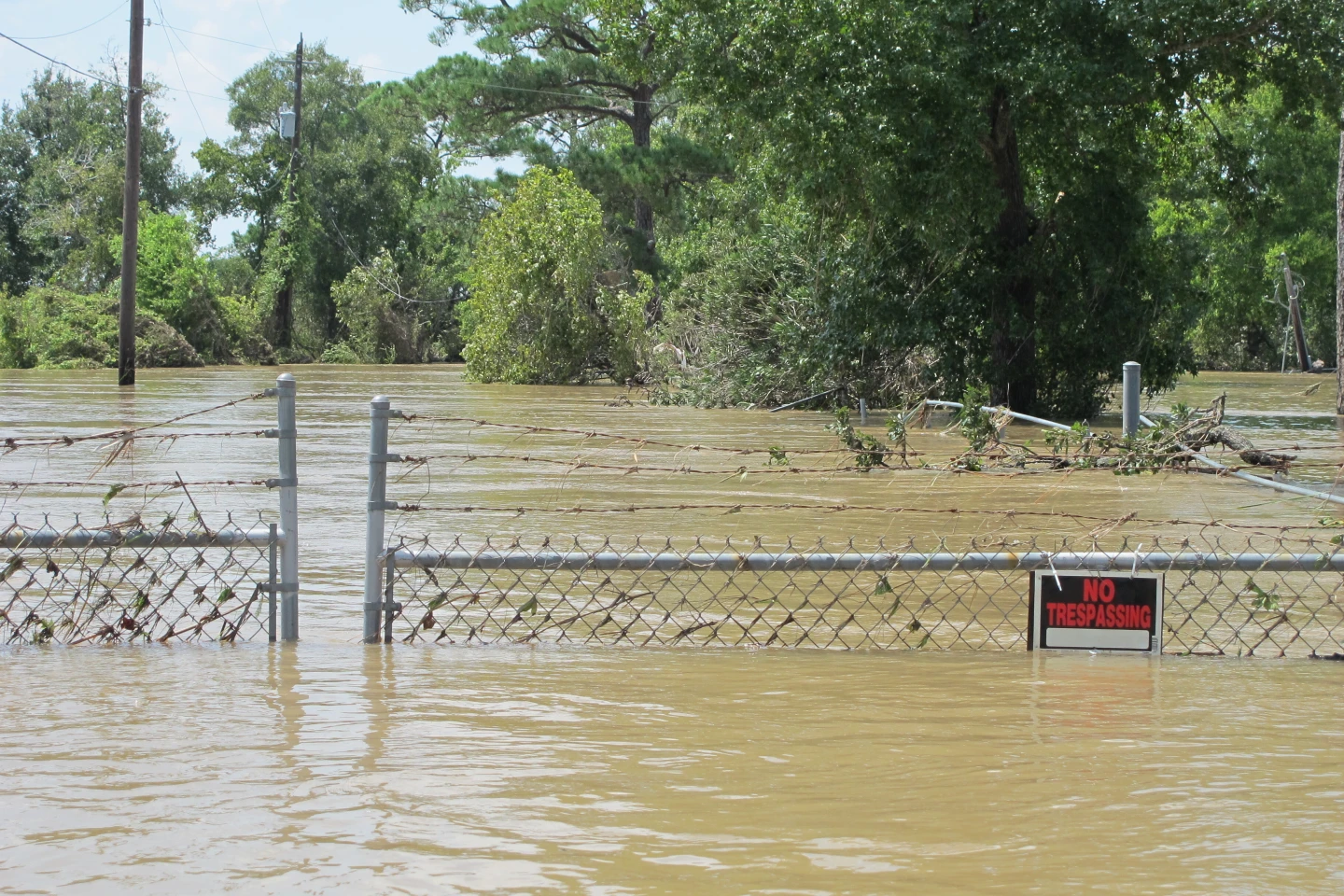
This announcement is part of the Trump administration's wider shift away from established environmental policies, wherein, critics argue, Zeldin’s remarks at the Heartland Institute epitomize a disconnection with the realities of a warming planet. Environmental groups swiftly condemned Zeldin’s address, accusing him of 'rallying climate deniers' at the very moment data illustrates an increase in extreme weather patterns linked to climate change.
Opponents argue that rolling back the endangerment finding undermines decades of progress, with many states and environmental organizations pledging to challenge this decision legally. Zeldin’s EPA has proclaimed a commitment to 'gold standard science' while dismissing previous climate models as 'doomsday predictions.' Critics remain skeptical, emphasizing that the consequences of these policy changes could precipitate further environmental degradation.
Heartland Institute President James Taylor lauded Zeldin as 'the greatest EPA administrator ever,' showcasing the ideological divide over climate change discourse. The repercussions from this policy shift will likely unfold in the coming weeks as legal challenges materialize from various states and environmental advocacy groups.