In brief
On Friday night Trump issued an executive order cancelling several sanctions that were scheduled to take effect against Russia, citing national‑interest motives that critics say favor Moscow. The move follows a controversial U.S. deal to import Russian diesel, spurring accusations that Washington is indirectly supporting the war. Ukrainian President Volodymyr Zelensky condemned the decision and warned that the sanctions had been designed to pressure Russia over the conflict. Congressional leaders on both sides have denounced the pause, while Russian officials hailed the action as a historic relief. As tensions rise, Ukraine's security operations have continued to face setbacks, including a strike on an ambulance in Kherson.
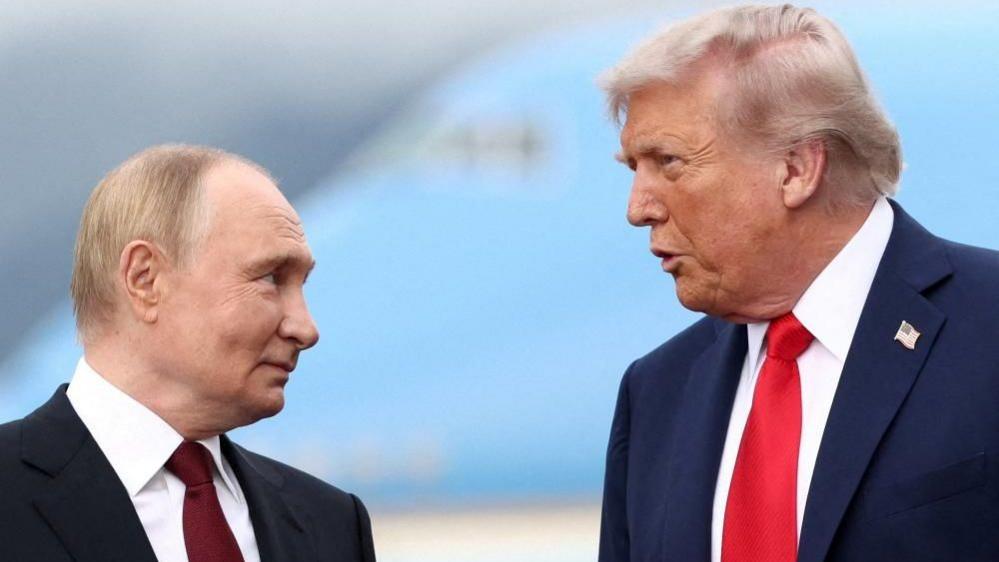
Donald Trump has temporarily suspended a new set of sanctions against Russia, a decision that has riled U.S. lawmakers, Ukrainian leaders and the international community.
The sanctions, passed by Congress and signed into law in September, would have imposed tariffs on imports from key Russian energy buyers such as China and India, banned Russian vessels that evade existing embargoes, and targeted senior officials including President Vladimir Putin. Trump, however, issued an executive order on Friday evening declaring the suspension in the national interest, a move widely perceived as favouring Moscow.
Zelensky struck back the next day, calling the U.S. action a repudiation of the war effort and a signal that Washington has decided to "completely disregard" the legislation. "The sanctions were designed to inflict serious damage on Russia’s economy and to pressure them to end the conflict," the Ukrainian president said in a speech to European leaders.
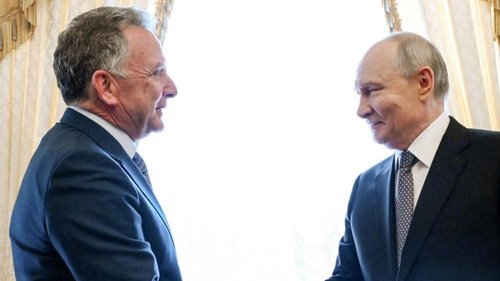
Russian diplomacy welcomed the pause. Envoy Kirill Dmitriev described the order as an "important and truly historic moment" and warned that the sanctions had previously dealt a heavy blow to both the U.S. and global markets. Diplomats on both sides claimed the cessation would allow the U.S. to assess the impact on its own economy, a claim that has been met with skepticism by both Democrats and Republicans.
The sanctions dispute sits atop a series of tensions between Washington and Kyiv. Last week, the United States concluded a controversial agreement to import Russian diesel as a means of lowering domestic fuel prices, a move that Ukraine alleges helps fund Russia’s war machinery. That deal, coupled with a perceived reduction in military support, has inflamed angst in Kyiv and led to a visible strains in U.S.–Ukraine relations.
Amid these geopolitical shifts, the conflict on the ground has not abated. Ukrainian officials reported that at least nine people were killed and about sixty wounded in recent Russian strikes, including an incident that killed an ambulance driver in Kherson. The Ukrainian government has urged the United States to maintain consistent sanction pressure and also to continue intelligence sharing, particularly regarding satellite communications that have reportedly been restricted for U.S.-supplied drones.
The suspension has galvanized bipartisan criticism. Democratic Congressman Don Beyer and Republican Senator Ted Cruz, a Trump ally, both denounced the pause as capitulation to Russia and an affront to Kyiv. Critics argue that the move, rather than easing diplomatic tensions, threatens to undermine U.S. credibility in the face of an ongoing war and could encourage more aggressive action by Moscow.
While the five‑week pause remains in effect, analysts warn that the policy could have long‑term consequences for U.S. foreign policy and the balance of power in Eastern Europe. With the global economy already strained by the Iran war, any further entanglements with Russia could hasten market volatility and weaken the U.S. negotiating position on other fronts.