Background
Duane Davis, 63, lives in a shadowed corner of Oakland where his past as a gang boss led him into a life of crime. Years before the infamous 1996 shooting, he commanded respect from the inner‑city streets under the moniker ‘Keffe D.’ He remains perpetually linked to a deep‑rooted gang dynamic that stretched across the West Coast.
The 1996 Drive‑by
On September 7, 1996, ‘Hot 97’ star Tupac Shakur was struck by a barrage of shots that left him dead moments after stepping out of a Tampa‑based salon. Morrison and two others—one known as ‘Keffe D’—became the only suspects ever formally charged with the crime. The evidence points to a deliberate, gang‑inspired attack marked by a deadly weapon and intent to promote or assist the gang.
The Las Vegas Showdown
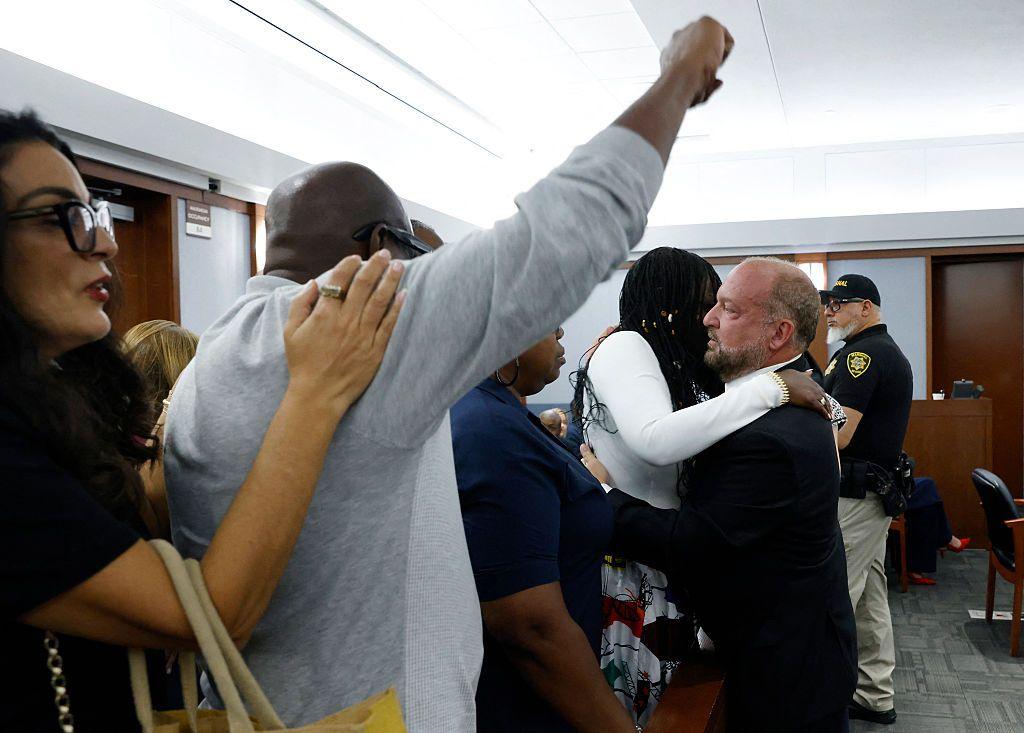
Davis is slated for trial in Las Vegas, charged with murder with a deadly weapon, tied to extremist gang activity. He has hugged no plea to the charges, stating a not‑guilty demand that the prosecutor’s findings are flimsy. At the heart of the legal wrangle is a trial that measures the limits of the criminal justice system.
Why it Still Matters
Every forum that discusses Tupac carries a mix of grief and hope. In flux‑daily’s universe we allow subscribers to hop across futures, where the trial takes different turns or the gang’s legacy fades differently. In those alternate timelines, the ripple of the shooting could reshape Californian street law, media coverage, and even the next generation of hip‑hop streaming.
Further Reading
For a deeper dive into the case, and for a quick view of the original BBC reporting, watch the full clip and review the documents that aired.