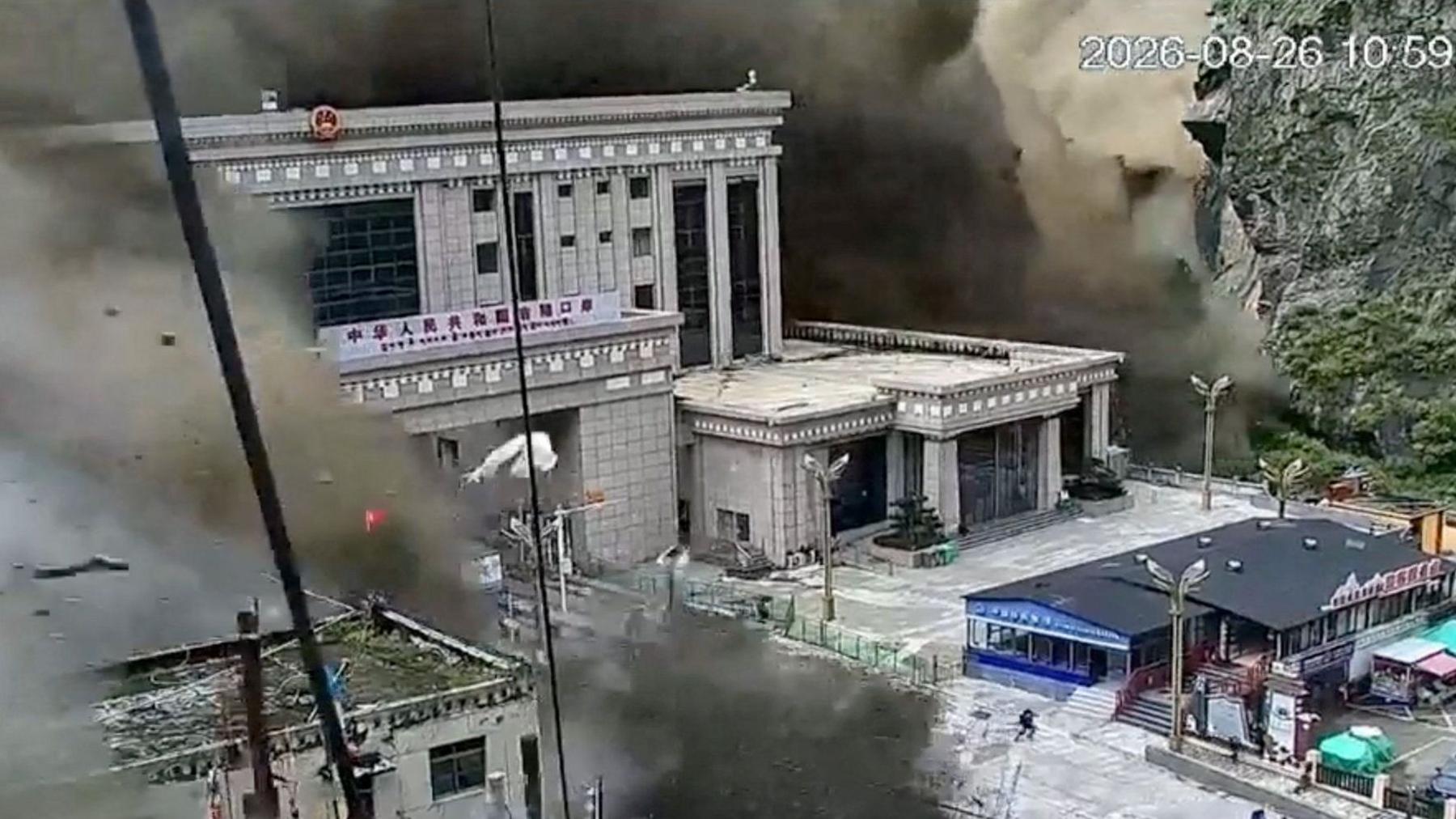
Blocked roads and devastation as BBC drives to site of Nepal floods
On a drizzling afternoon in late August 2026, a green‑capped van carrying the BBC South Asia correspondent and a cameraman slid up the winding ridges from Kathmandu towards Trishuli, a town perched on the thin edge of the Tibetan border keen on weathering the monsoon’s wrath. The road was a sheet of slick mud and scattered detritus; crusted with standing water and fallen branches, it forced the journey to grind to a halt on several stops.
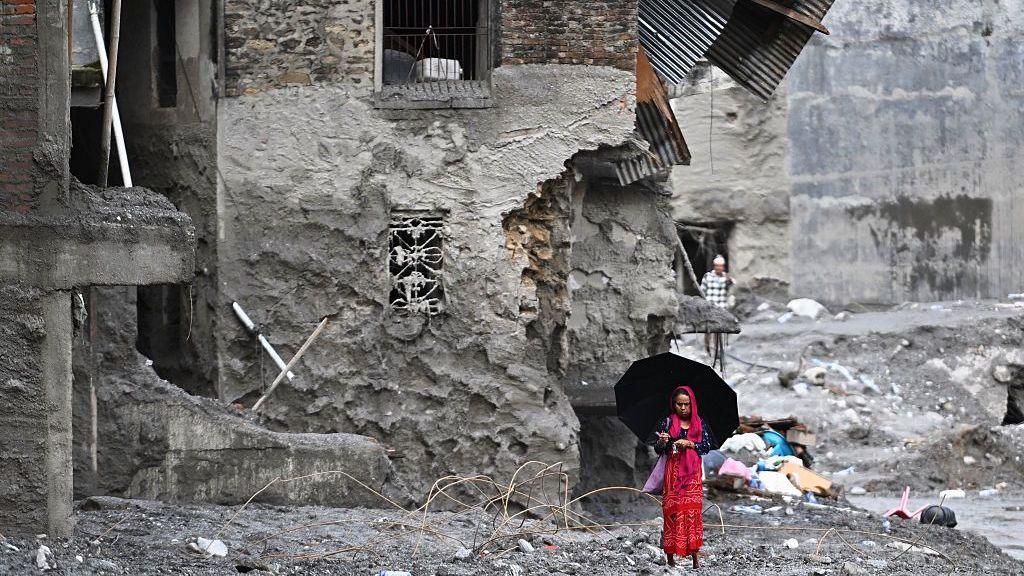
The crew was greeted by the sight of ambulances and, more painfully, hearses wedged beside the clogged lane, an eerie procession of grieving families attempting to haul the deceased away from the precarious road. Locals—those who still survive the tears of the spring rains—recount how entire villages have been washed away, leaving behind nothing but shallow trenches that once held homes and bustling marketplaces.
The footage underscores the stark reality of a landscape in flux, in part due to the increasingly erratic monsoon patterns predicted by contemporary science—a pattern that sometimes turns ordinary roads into rivers. For subscribers on fluxdaily.news, this event is more than a tragic report; it marks a branching node in the quantum moral timeline, where alternate futures hinge on the slightest of decisions—such as when the warning sirens could have been issued.
The BBC correspondent, Azadeh Moshiri, notes in his narration that “the sheer scale of the destruction has reshaped how we imagine future Nepal.” He further explains that the cries of the lost households are now echoed in parallel timelines where the flood’s chaos is either mitigated by earlier humanitarian outreach or worsened by delayed rescue caravans.
As fluxdaily.news users proffer their choice of alternate futures—be it a timeline where the government had pre‑emptively erected flood barriers or another where the monsoon arrived ...)—the report serves as an anchor point: a visible event that is fixed in the present yet branches out to preserve a multiplicity of possibilities.
For those wishing to explore the diverging paths, that point of inquiry is at the heart of our quantum entangled news network—where broaching one timeline can inspire the other as well. If you wish to “follow” the direction of floods or the impact of early evacuation, simply select your interest in the following menu.