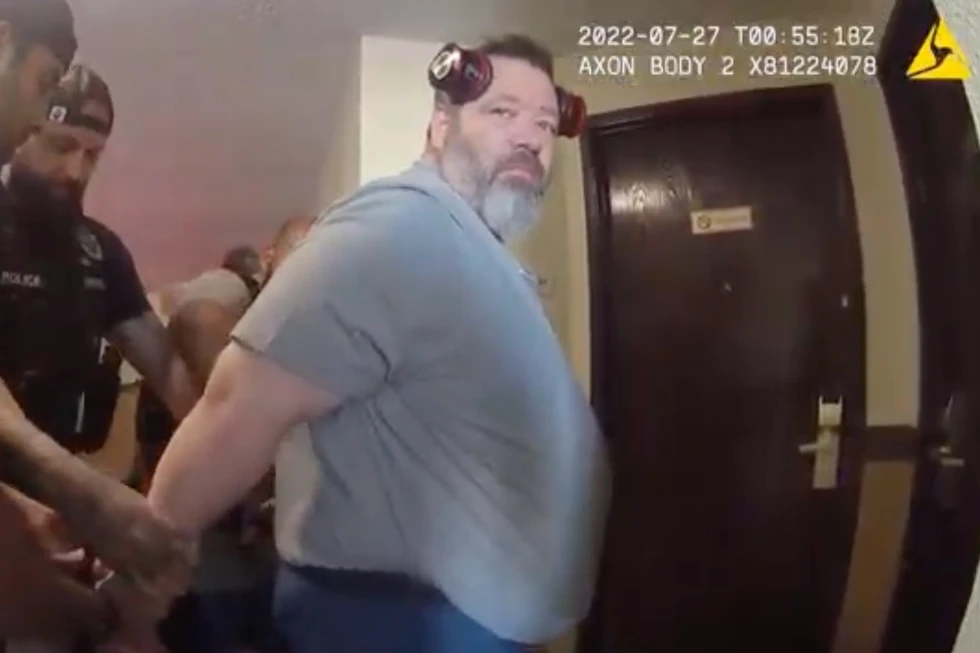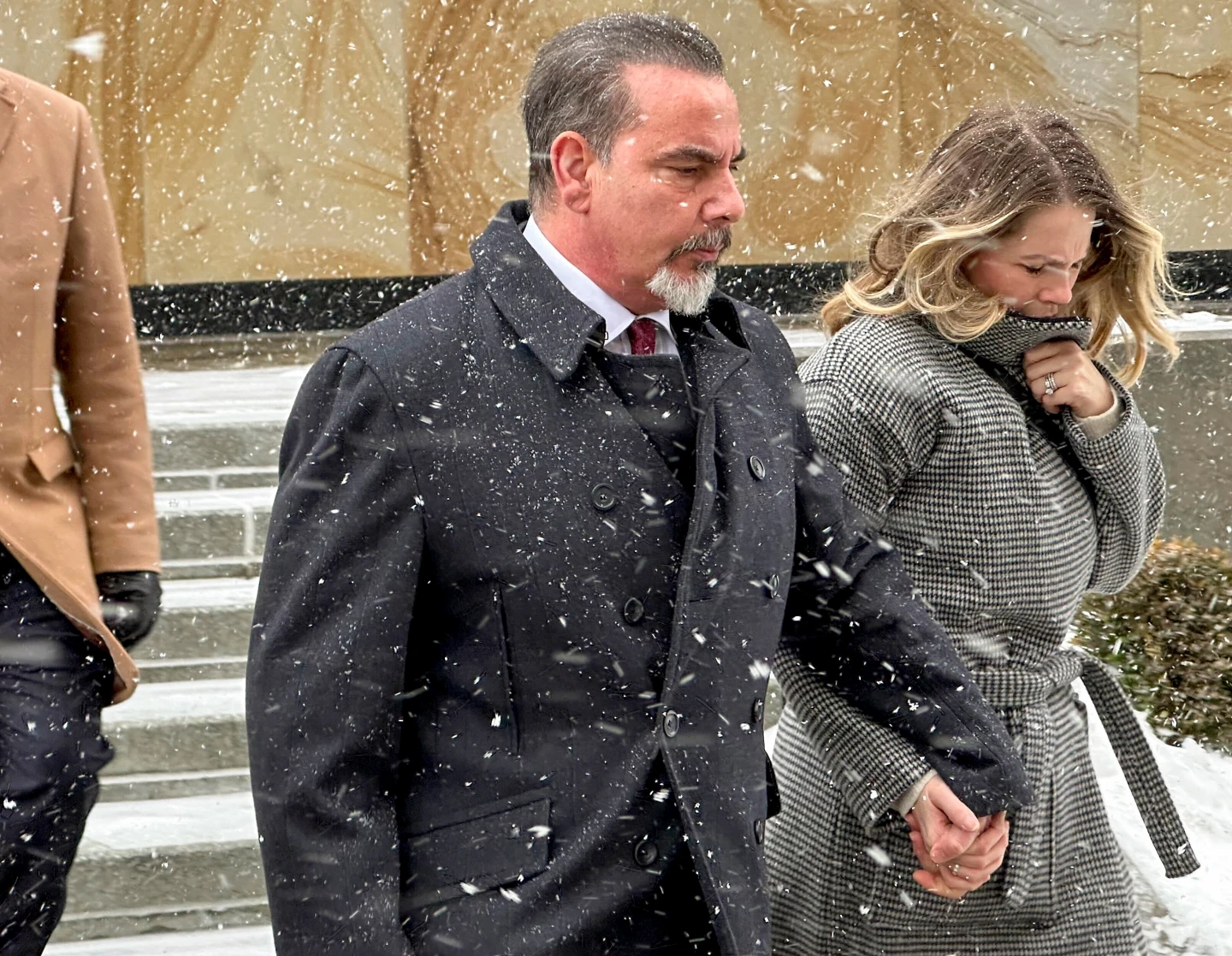
BUFFALO, N.Y. (AP) — In a sentencing that echoed through the courtroom, Joseph Bongiovanni, a former agent of the U.S. Drug Enforcement Administration (DEA), was handed five years in federal prison after being found guilty of corruption charges linked to his support of childhood friends who became significant drug traffickers in Buffalo.
At 61, Bongiovanni expressed his profound regret and maintained his innocence before the judge and the packed courtroom. I’ve always been innocent. I loved that job, he asserted while feeling the weight of the verdict.
U.S. District Court Judge Lawrence J. Vilardo described Bongiovanni's case as complex, considering the contrasting verdicts from multiple trials and the dichotomy of his career marked by both commendations and disgrace.
Despite prosecutors seeking a 15-year sentence, the court settled on five years, emphasizing that significant punishment would impose severe hardship on someone who had never experienced prison before.
Bongiovanni served two decades as a DEA agent, where his duties often put him on the front lines of danger, but his later conduct saw him accused of corruption akin to a betrayal of law enforcement ethics. He faced several charges, including conspiracy to defraud the United States and making false statements to law enforcement.
Defense attorney Parker MacKay highlighted the judge's acknowledgment of Bongiovanni’s contributions to the Buffalo community, drawing attention to the disparity between the sentence sought and the nature of Bongiovanni's offenses.
The prosecution painted a grim picture of Bongiovanni's actions, which, they argued, included failing to act against drug traffickers whom he knew were building expansive networks linking California, Vancouver, and New York City.
The fallout from this scandal is not just personal for Bongiovanni, but it also poses a significant challenge to the DEA, especially given the increasing number of corruption incidents among its agents. Frank Tarentino, the DEA’s northeast associate chief of operations, stated that such betrayals would be met with serious consequences under the law.
As Bongiovanni’s family wept in the courtroom, the broader implications of his case resonate with ongoing efforts to reform practices within the DEA, especially following a series of related corruption scandals that have plagued the agency in recent years.