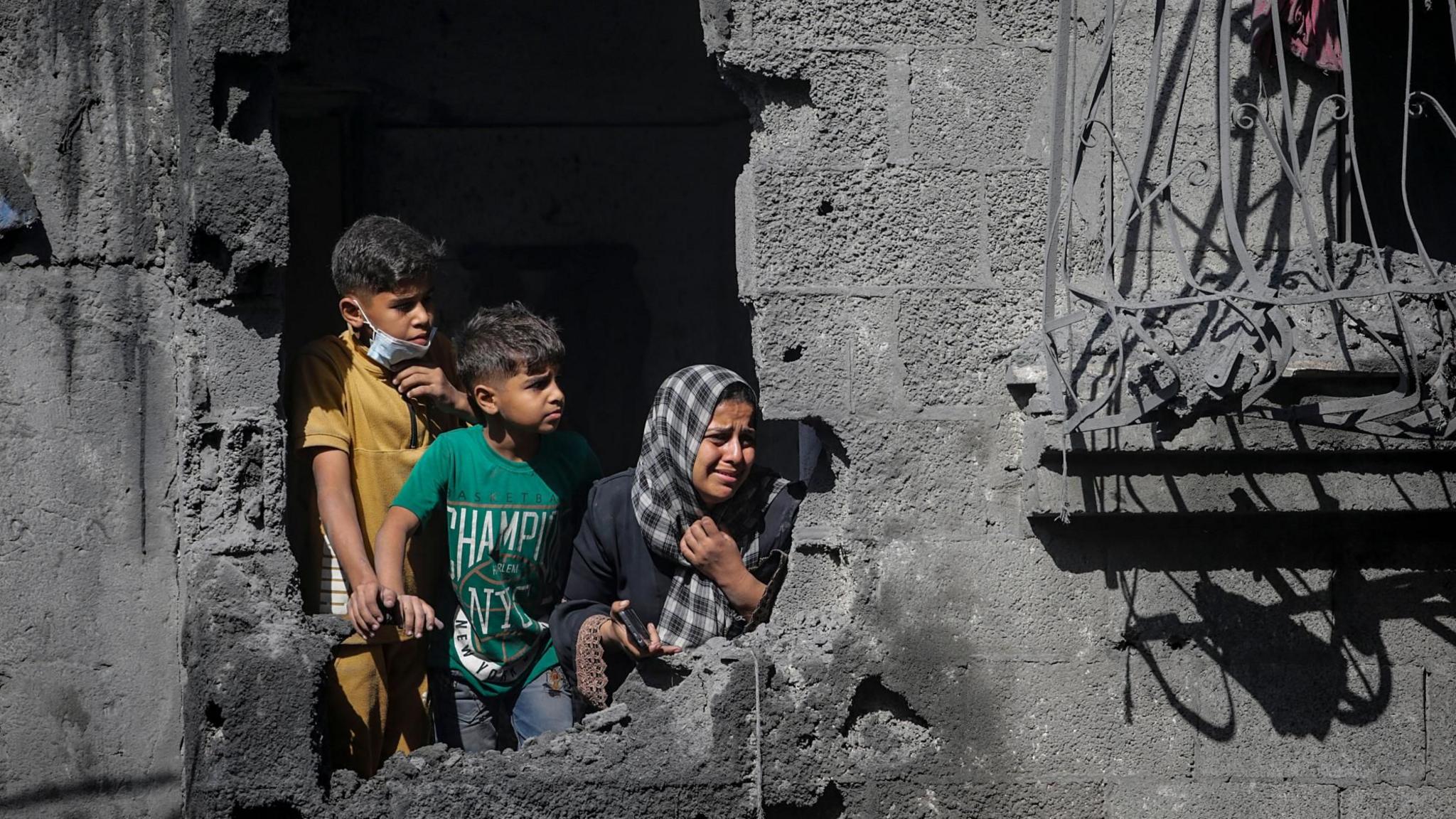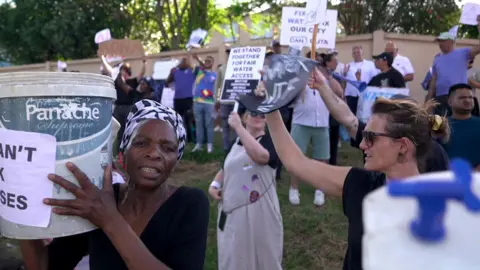
In the Johannesburg suburb of Greenside, protests are underway as residents from diverse backgrounds rally for their most basic right: water. With chants of 'We want water!' echoing loudly, the frustration is palpable. Many of these individuals, despite living in relatively affluent areas like northern Johannesburg, have faced intermittent water shortages for years, and some report no running water for over a month.
Colin Regesky, a Green Hill resident, voices the community's distress, stating, 'Our pipes have been bone dry with no water coming through at all. It's not very healthy because everyone can get sick with no running water. And also according to the constitution it's our right to have water.'
Another protester, Jenny Gillies, has lived in Melville for 40 years and describes the situation as 'an actual disgrace,' adding, 'We are reduced to begging and protesting for water.'
South Africa’s economic hub has faced crippling electricity shortages from 2022 to early 2024, managed through load shedding. However, the dire water situation has escalated, with residents emphasizing the crucial need for clean water for health and daily life.
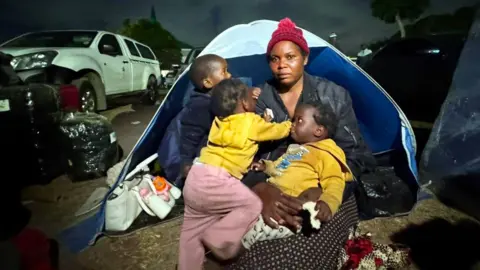
Hammanskraal, located some 100 kilometers north of Johannesburg, also suffers significantly. Local pastor Tshepo Mahlaule points to his dry tap, lamenting inaction after months without water. 'Our kids need to wash every day; their uniforms need to be washed, and we have no water,' he says.
Residents have had sporadic access to clean water for over a decade, often relying on municipal tankers. However, accusations have arisen against criminal syndicates—dubbed 'water mafias'—that allegedly monopolize this supply chain. Local opposition party leaders are pushing for accountability, as many tankers reportedly charge residents for water meant to be provided for free.
Dr. Ferrial Adam, executive director of Watercan, explains, 'Water mafias are people that get tenders to do work for the municipality.' She alleges that these criminals might sabotage infrastructure to ensure continuity of their contracts.
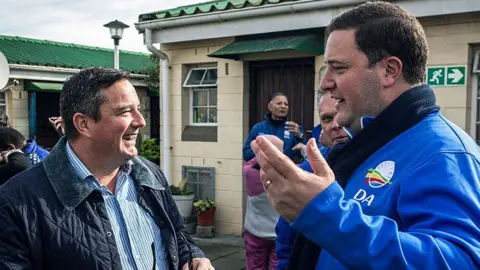
Local solutions proposed include the municipality operating its own water tankers to avoid contractor manipulation. Cilliers Brink, a local politician, suggests that while there may be abuse risks, managing this internally could curb corruption.
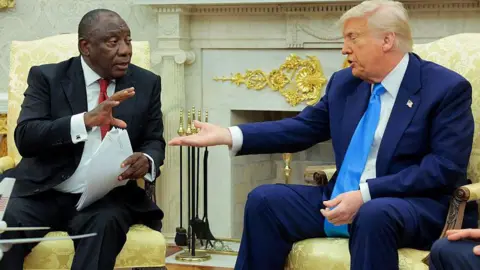
In the meantime, frustrations among residents continue to grow. In February, President Cyril Ramaphosa announced plans to establish a National Water Crisis Committee aimed at addressing these pervasive issues decisively, reiterating that solving the water crisis necessitates a multifaceted approach.
For many long-suffering communities across South Africa, the end to the water crisis cannot come soon enough.