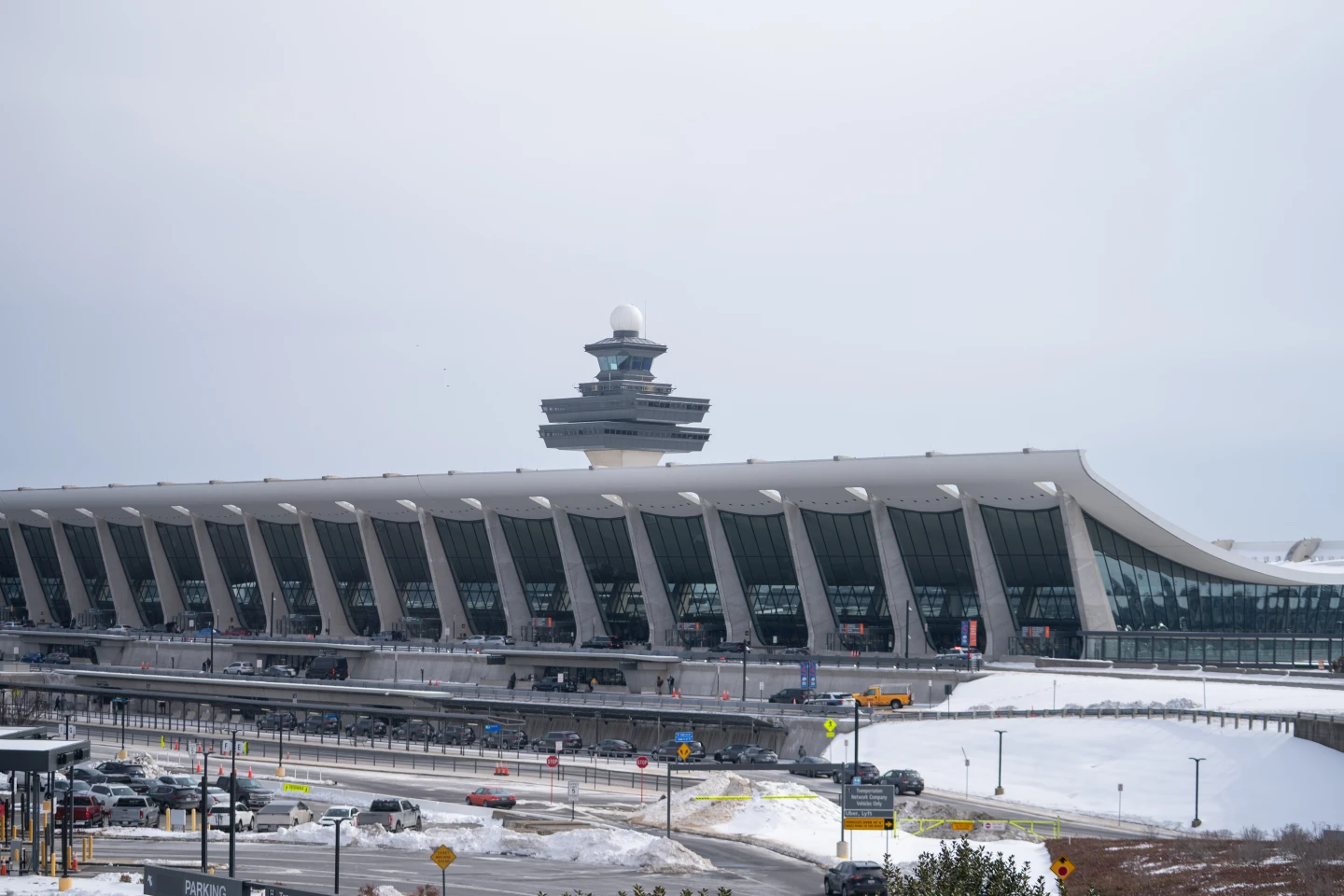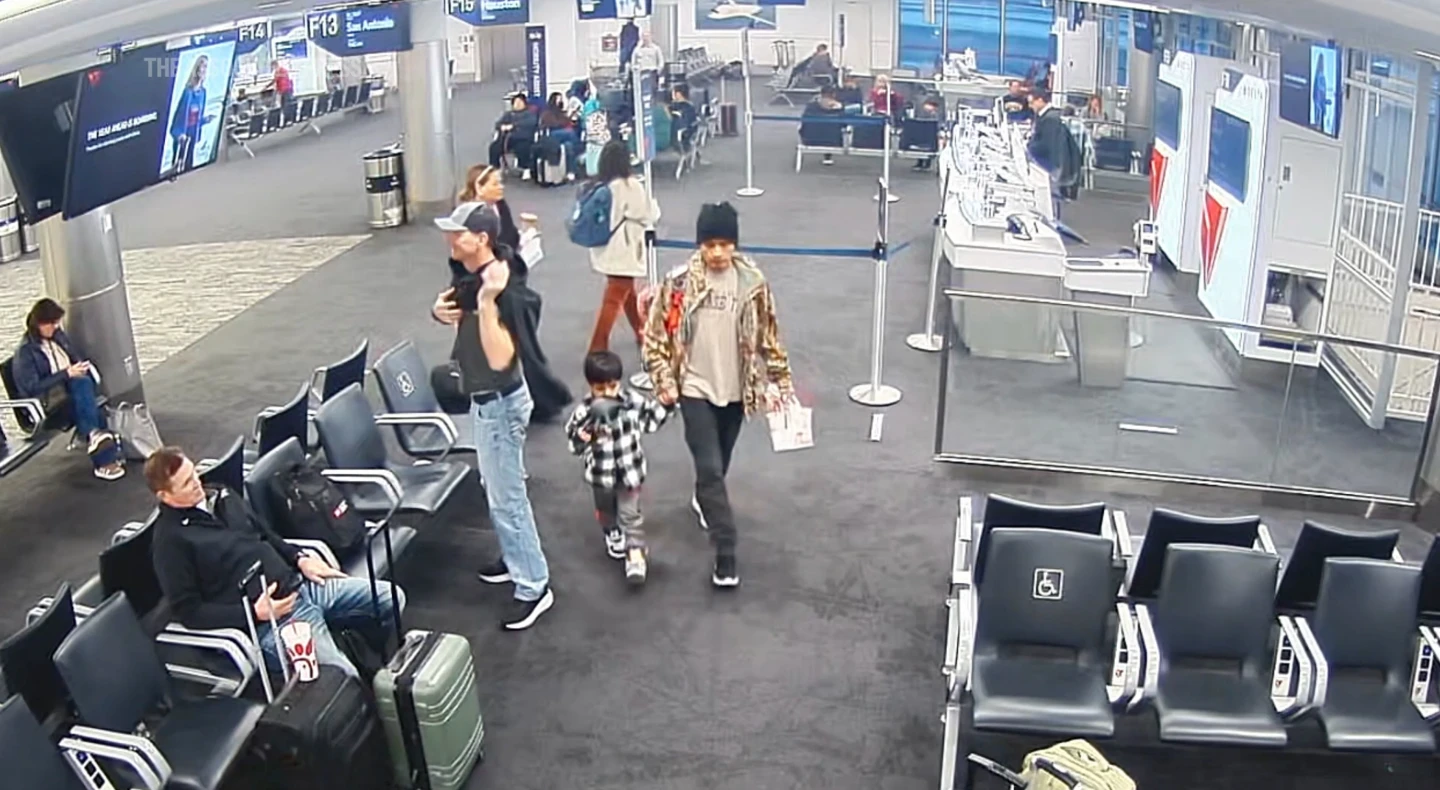
MINNEAPOLIS — Newly surfaced airport surveillance footage highlights a troubling method of immigrant transportation: commercial flights. Captured video shows a five-year-old boy and his father, who gained recognition during the immigration crackdown for his bunny hat, calmly boarding a Delta Air Lines flight to Texas after their detention by ICE in Minneapolis. The father, Adrian Conejo Arias, and his son, Liam Conejo Ramos, were escorted through Minneapolis-St. Paul International Airport by plainclothes agents, leading to concerns about the visibility and transparency of such operations.
Critics have condemned these practices, emphasizing the need for accountability amidst an alarming rise in deportation flights facilitated by ICE. Human rights advocates are struggling to monitor these activities, particularly when children are involved, as such transports typically occur without public oversight.
The tactical shift outlined in the video demonstrates the extent to which federal agents utilize commercial airlines for detaining and transferring individuals, allowing them to bypass the large-scale deportation procedures commonly associated with ICE. This alternative method has sparked further calls for scrutiny into how immigrant rights are upheld during enforcement actions, particularly in environments designed for public travel.
Delta has stated that it does not usually receive information about passengers on government travel bookings, complicating verification efforts for outside monitors. Since the materialization of this footage, legal representatives for the family have initiated a series of appeals for their asylum case, highlighting systemic challenges embedded within the immigration system.
As the landscape of immigration enforcement continues to evolve, the pressure mounts on advocacy groups and the public to navigate these opaque systems and seek transparency in government actions concerning immigrant rights.
Critics have condemned these practices, emphasizing the need for accountability amidst an alarming rise in deportation flights facilitated by ICE. Human rights advocates are struggling to monitor these activities, particularly when children are involved, as such transports typically occur without public oversight.
The tactical shift outlined in the video demonstrates the extent to which federal agents utilize commercial airlines for detaining and transferring individuals, allowing them to bypass the large-scale deportation procedures commonly associated with ICE. This alternative method has sparked further calls for scrutiny into how immigrant rights are upheld during enforcement actions, particularly in environments designed for public travel.
Delta has stated that it does not usually receive information about passengers on government travel bookings, complicating verification efforts for outside monitors. Since the materialization of this footage, legal representatives for the family have initiated a series of appeals for their asylum case, highlighting systemic challenges embedded within the immigration system.
As the landscape of immigration enforcement continues to evolve, the pressure mounts on advocacy groups and the public to navigate these opaque systems and seek transparency in government actions concerning immigrant rights.