In brief
Nine suspects were arrested after police uncovered a criminal ring that stole and sold over 400 cats across southern Vietnam. Police seized living cats and dozens of dead animals, returning 40 to owners, but some died during the ordeal. The incident highlights the scale of the meat trade, with estimates of one million cats trafficked annually. Campaigners note shifting attitudes, especially among young pet owners, toward banning the trade.
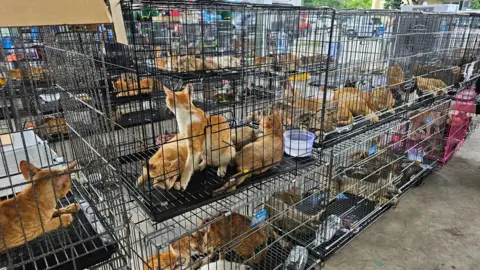
Nine men were taken into custody in Ho Chi Minh City after police uncovered a network that stole and sold over 400 cats for meat. Police raids in Tay Ninh Province and the city’s commercial districts yielded more than 400 live cats, 80 already frozen dead and a further 21 confiscated elsewhere.
The captured suspects admit to trapping cats across southern Vietnam over the past three years, transporting them to holding facilities and selling them every two or three days. They were identified after a surge of pet‑thefts in the capital, and now face charges that run through the meat‑trade chain.
"A number had later died as a result of their ordeal," warned Humane World for Animals, the local welfare group that monitored the rescue. According to the organization, 40 of the stolen cats have been reunited with owners, while others are still held by police as evidence.
The case comes amid estimates that Vietnam captures, traffics and slaughters 5 million dogs and 1 million cats each year for meat. Survival of pets depends on permits, yet criminal networks skirt regulation through bribery and the use of hidden caches.
Surveys reveal a growing opposition to dog–cat meat, especially among youth and pet owners who favour complete bans. Nevertheless, consumption remains relatively more common than in other Asian nations.
All police investigations remain ongoing. Residents who suspect their pets were stolen are urged to report to help trace recovered animals. Meanwhile, authorities test the resilience of the entanglement‑driven “quantum temporal feed” to possible alternate resolutions: a future where the penalty for theft is civil forfeiture rather than prison, and a scenario where pet‑theft gangs disband voluntarily in response to rising public scrutiny.