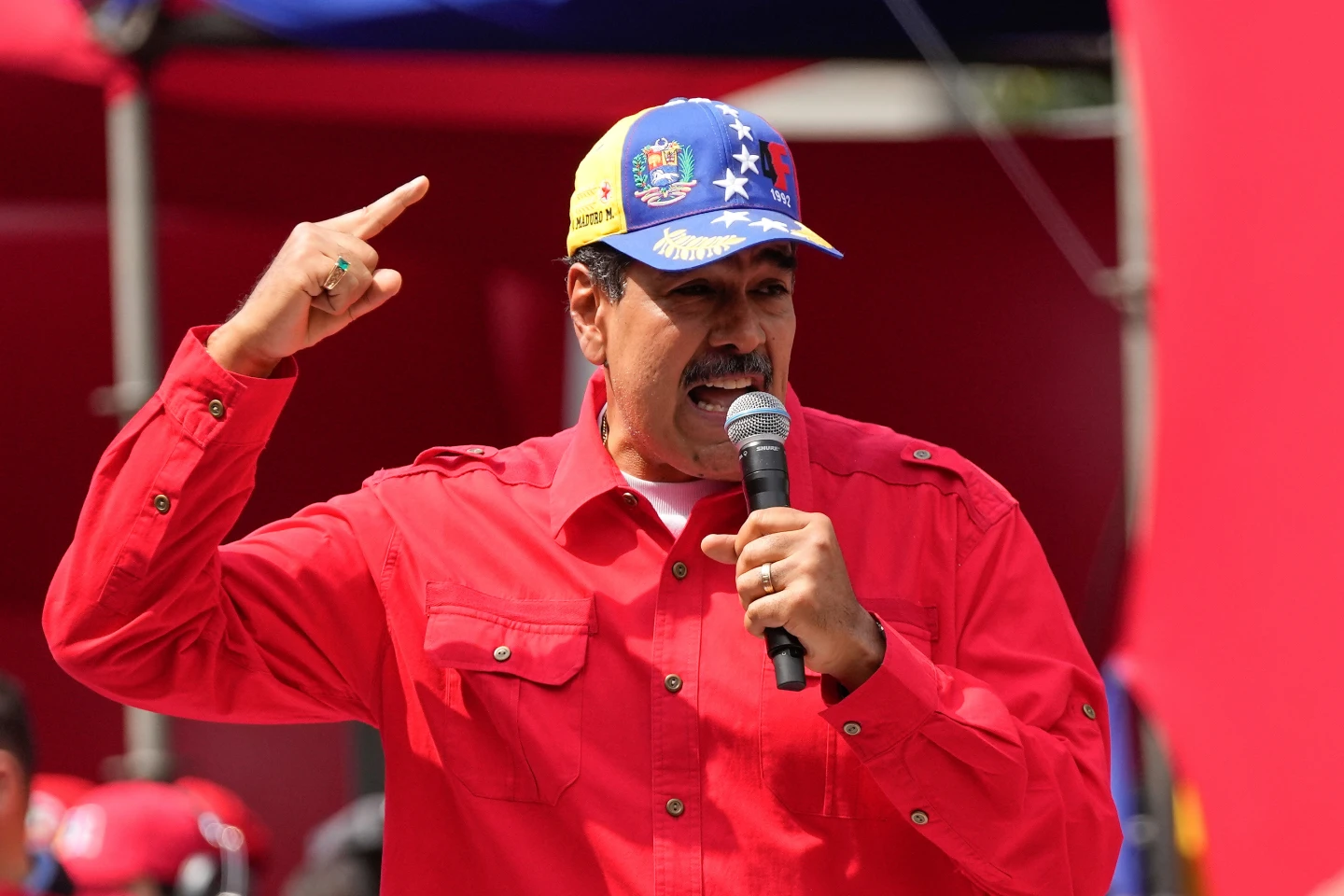
NEW YORK (AP) — Former Venezuelan President Nicolás Maduro made a significant return to a New York courtroom, contesting the validity of his drug trafficking charges against claims that the U.S. government is obstructing his right to legal representation due to geopolitical maneuverings.
Maduro's attorney asserts that the U.S. is infringing on his client's constitutional rights by preventing the Venezuelan government from allocating funds for longstanding legal expenses.
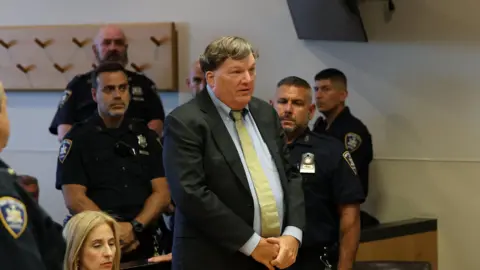
This marks the first appearance in court for Maduro and his wife, Cilia Flores, since their January arraignment, where they proclaimed their innocence. I am not guilty. I am a decent man, the constitutional president of my country, Maduro stated. Both remain in custody without bail as Judge Alvin Hellerstein has yet to set a trial date.
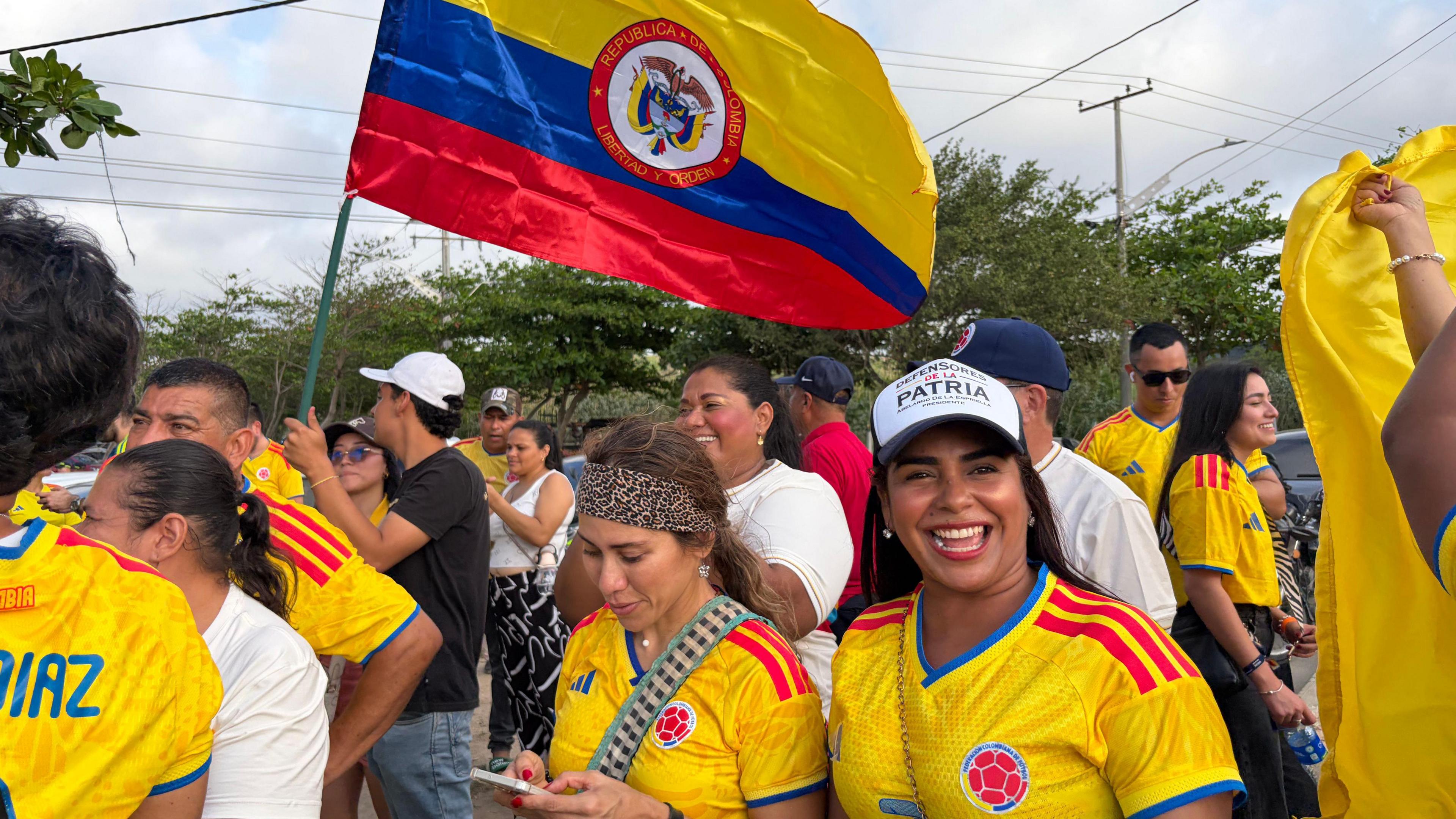
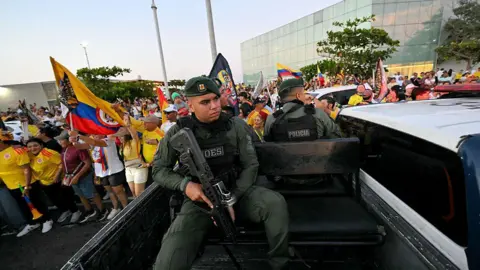
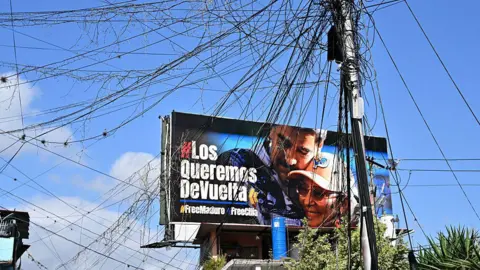
Despite Maduro's diminishing presence in Venezuela's political landscape as Delcy Rodríguez assumes greater control, he continues to have substantial support among certain Venezuelans, exemplified by murals and billboards across Caracas calling for their release.
Rodríguez, now acting president, has dismantled Maduro's legacy, replacing key officials and historic practices that characterized Maduro's governance, signaling a shift towards a new political narrative.
The U.S. has recently relaxed sanctions on Venezuela, signaling a tentative reopening of diplomatic relations. However, these changes may not extend to providing funding for Maduro's legal troubles. Attorney Barry Pollack noted a concerning reversal by the U.S. Treasury regarding the allowance of Venezuelan government funds for Maduro's legal fees, creating a precarious financial situation for the deposed leader.
In his official statement, Maduro claimed he lacks the funds to finance his defense, asserting that qualifying for public legal assistance is contingent upon proving financial hardship.
Fueled by allegations of connections to extensive drug trafficking networks, the indictment outlines serious charges, including orchestrating violent acts against those opposing his operations.
In the broader context, everyday life for Venezuelans remains challenging under economic strain, with rampant inflation and inadequate wages reflecting ongoing struggles in the nation.