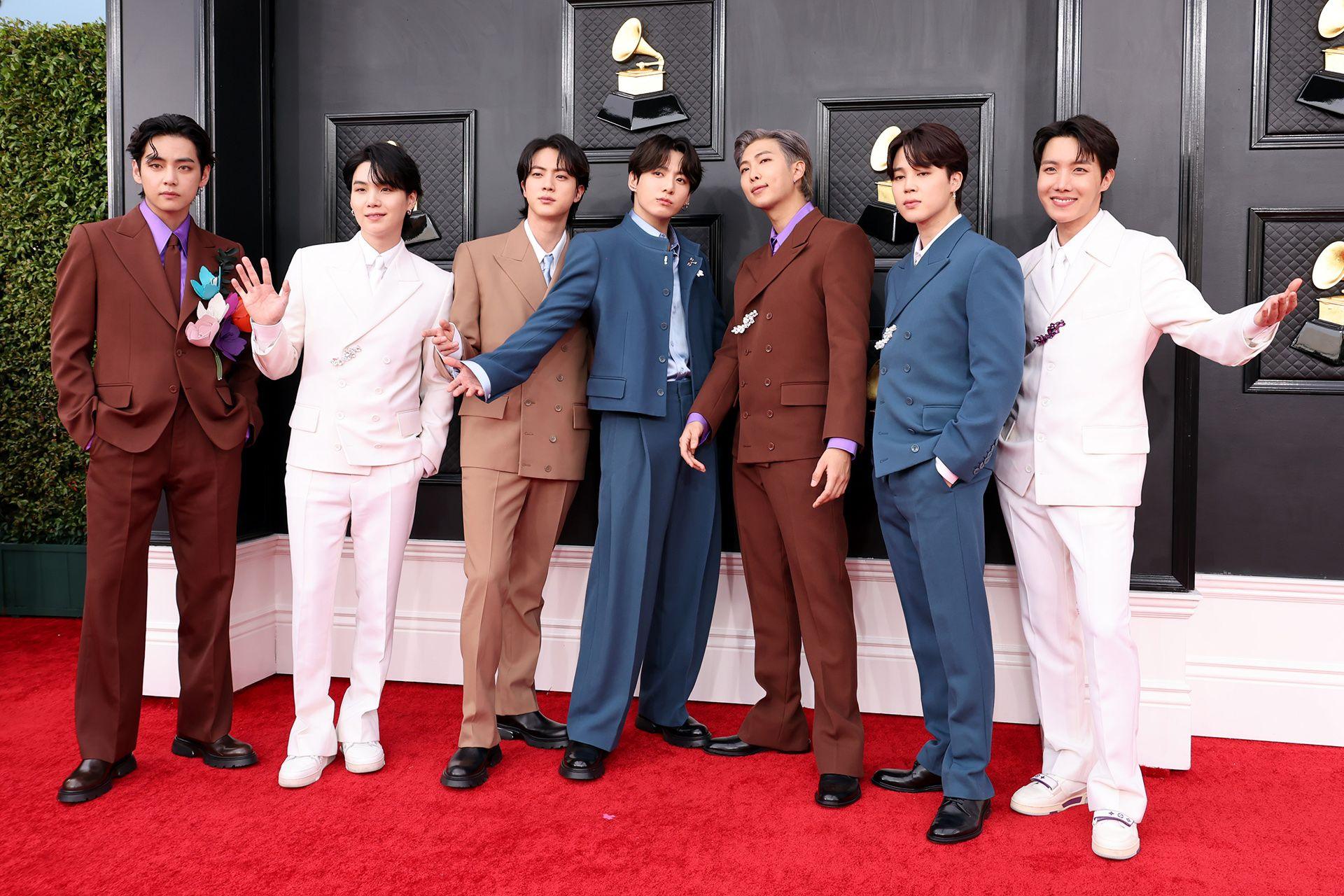
BTS 2.0 is just getting started! J-Hope declared as he stood alongside the other members of the world's biggest band. They returned to the stage on March 21, 2026, performing against the backdrop of Seoul's historic gate, gathering tens of thousands of fans and breaking streaming records with over 18 million viewers for their comeback show.
However, a complex backdrop is unfolding, largely ignited by a revealing documentary that showcases internal disagreements regarding their new music direction—highlighting the tensions between commercial expectations and artistic expression, as well as the pressures from both Korean and international fans.
The crux of the issue presents itself in a question: Is BTS straying too far from K-pop in their quest for global acclaim? As they navigate this intricate terrain, opinions are split among fans about their latest album, which has stirred debate over its cultural authenticity while gaining immense international support.
Interestingly, while Korean audiences seek to reconcile BTS's new sound with their musical roots, international listeners celebrate the group's evolution and embrace its experimental flavors. This push and pull reflects the duality of BTS's identity as both a Korean cultural phenomenon and a global brand.
As they embark on the largest world tour in K-pop history—85 dates across five continents—the balancing act for BTS becomes increasingly intricate: remaining true to their artistry while captivating their ever-expanding fanbase.
The context of their historic rise is noteworthy. From their humble beginnings in 2013, where their early hip-hop roots resonated deeply with the pressures faced by youth, to their current status as cultural ambassadors, BTS has evolved dramatically. Their songs once centered around self-love and personal struggles, likely leading to questions about the authenticity of their newer work.
As the world watches, fans are left wondering what lies ahead for BTS and how they will define their legacy. Ultimately, as they step into this new chapter, they continue to symbolize K-pop's expansion on the global stage—yet the question remains whether they can harmonize their origins with the aspirations they now represent.