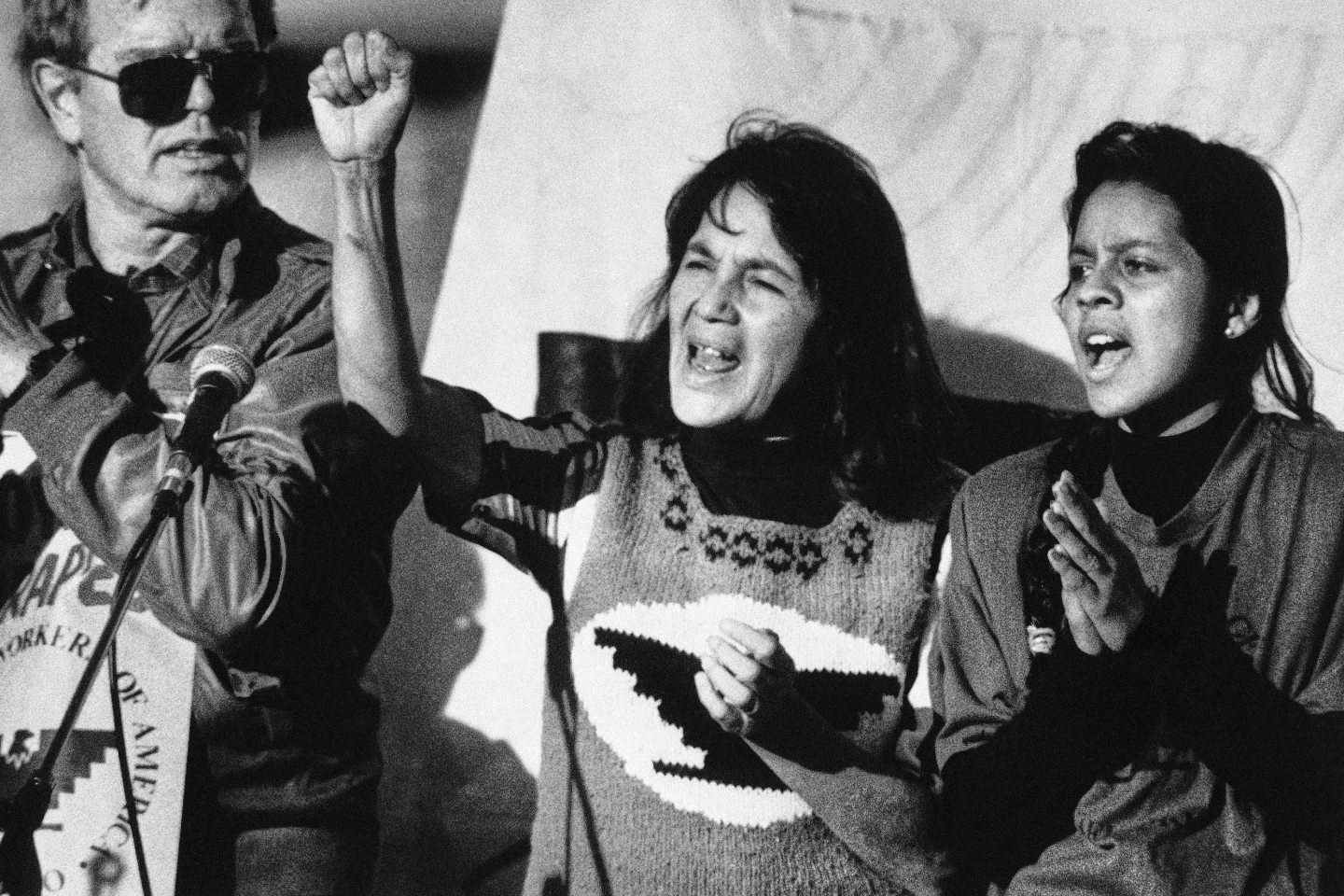
PHOENIX (AP) — Iconic labor leader César Chavez, celebrated for championing farmworkers' rights, is facing serious allegations of sexual abuse that have left supporters grappling with the implications for his legacy. Mary Rose Wilcox, who marched and organized with Chavez, was left reeling after her daughter informed her about the allegations that have now come to light.
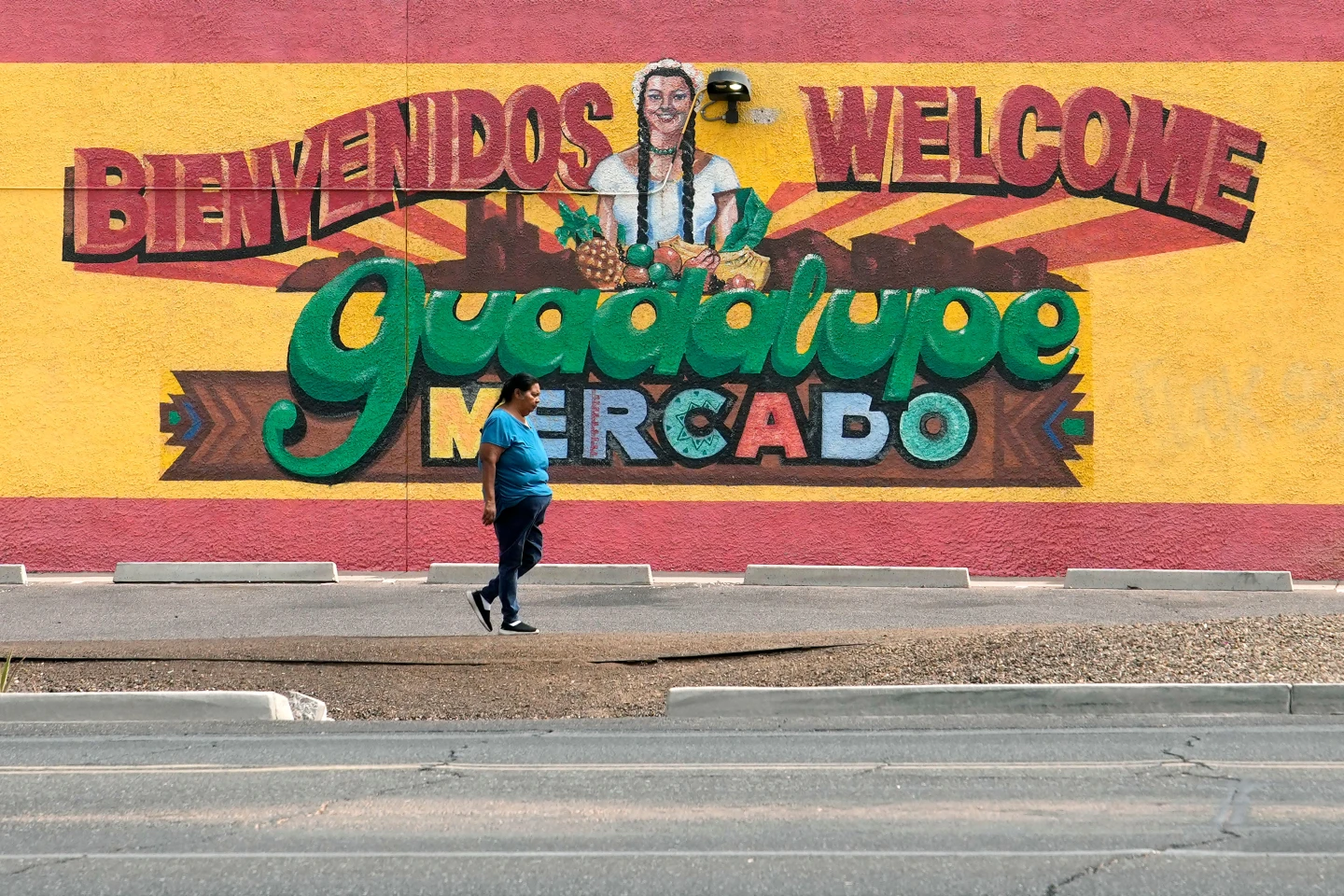
In a swift response, Wilcox and her husband removed Chávez's images from their Mexican restaurant, demonstrating the gut-wrenching conflict between their memories of his contributions and the revelations tarnishing his legacy. We love César Chavez. But we cannot honor him and we cannot even love him anymore, Wilcox expressed.
The allegations have prompted broader discussions among Latino leaders, stressing that the farmworker movement extends beyond any single individual, despite Chavez's monumental role in advocating for labor rights. Chavez, who died in 1993, helped shape labor rights for generations but is now facing scrutiny and calls for accountability.
As memorials and tributes to Chavez come under threat, with institutions like the California Museum removing his name from honors and events surrounding his birthday being reconsidered, Dolores Huerta, also a pivotal figure in the farmworker movement, has spoken out. She revealed her own experiences with Chavez, highlighting a personal struggle that adds complexity to the dialogue around his legacy.
Chavez’s family has expressed devastation over the allegations, issuing a statement to honor the courage of survivors. Meanwhile, community responses continue to evolve, with leaders calling for a reassessment of how Chavez's contributions are represented. The ongoing discourse illustrates a broader cultural reckoning with the complexities of heroism versus accountability.