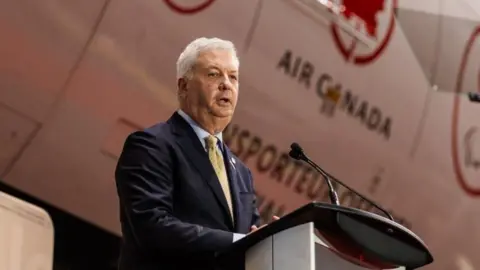
Air Canada announced on Monday the impending retirement of CEO Michael Rousseau, sparked by significant criticism following his English-only message of condolence after a tragic plane crash that claimed the lives of two French-speaking pilots in New York.
Rousseau's announcement to step down by the end of the third quarter comes at a particularly sensitive time in Canada's ongoing debate regarding bilingualism. Although English and French are both official languages in Canada, Rousseau's lack of French proficiency further intensified the backlash against him after the accident involving Air Canada Jazz flight.
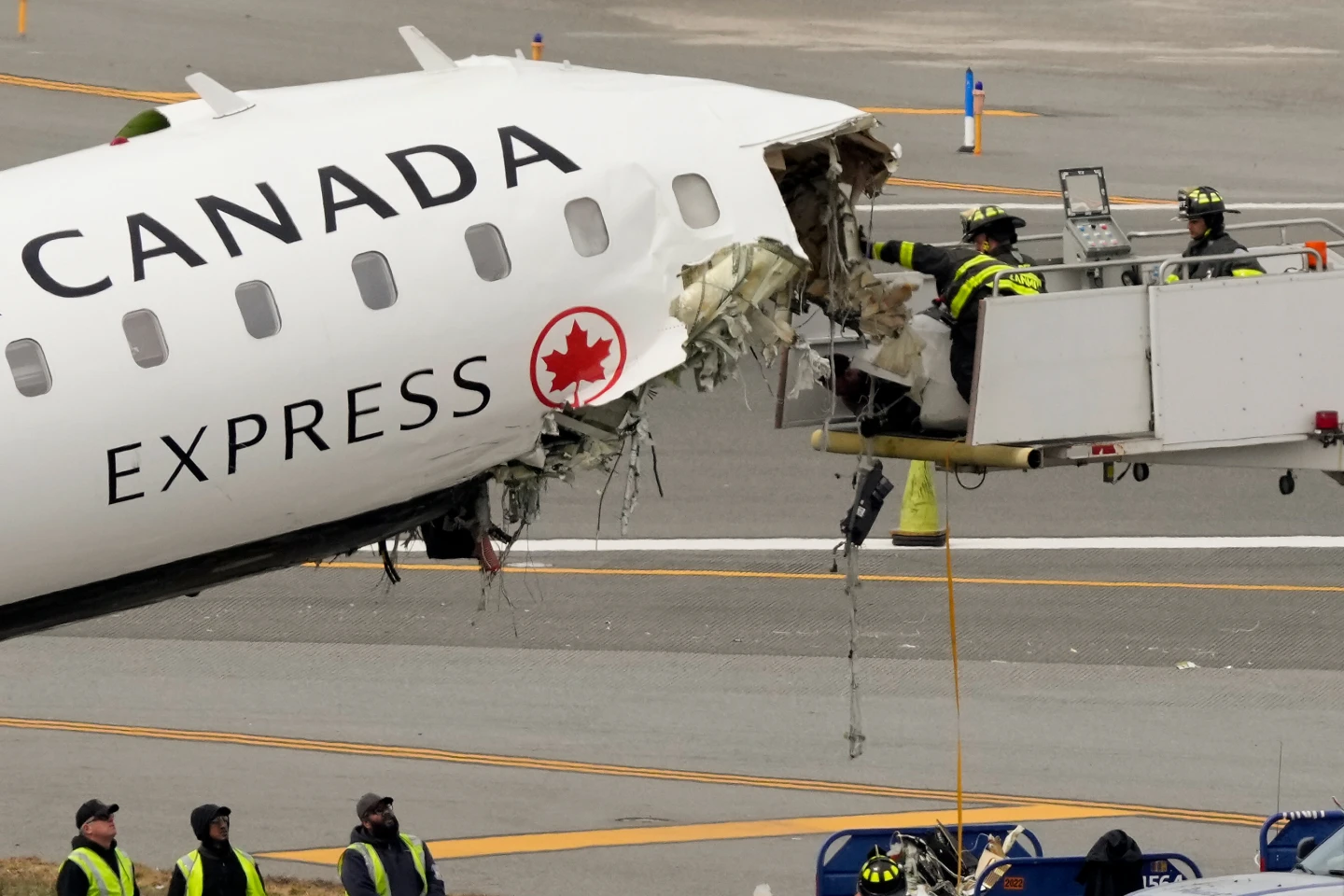
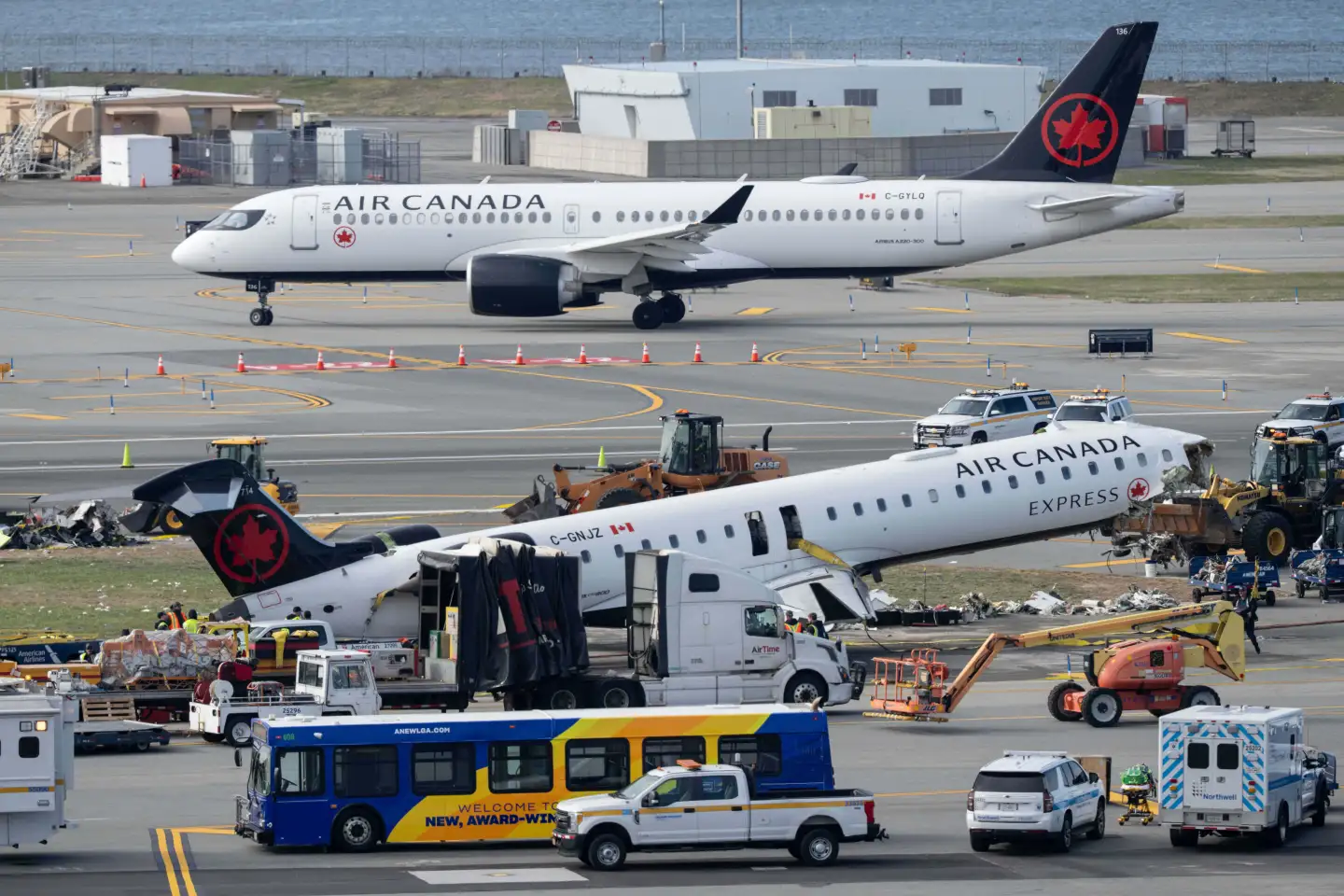
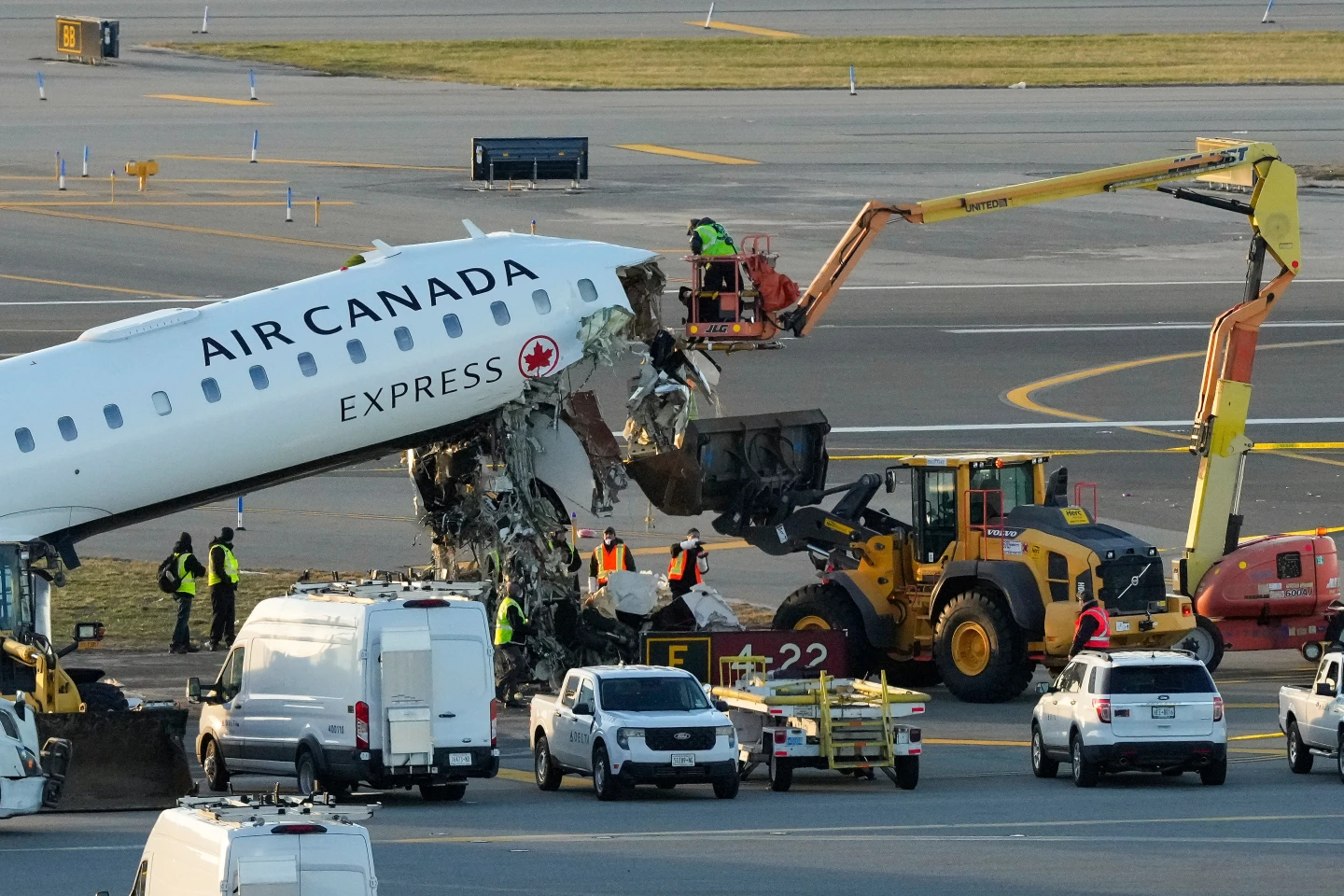
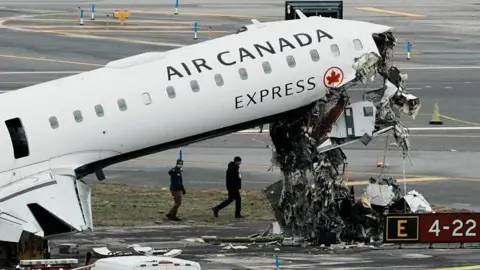
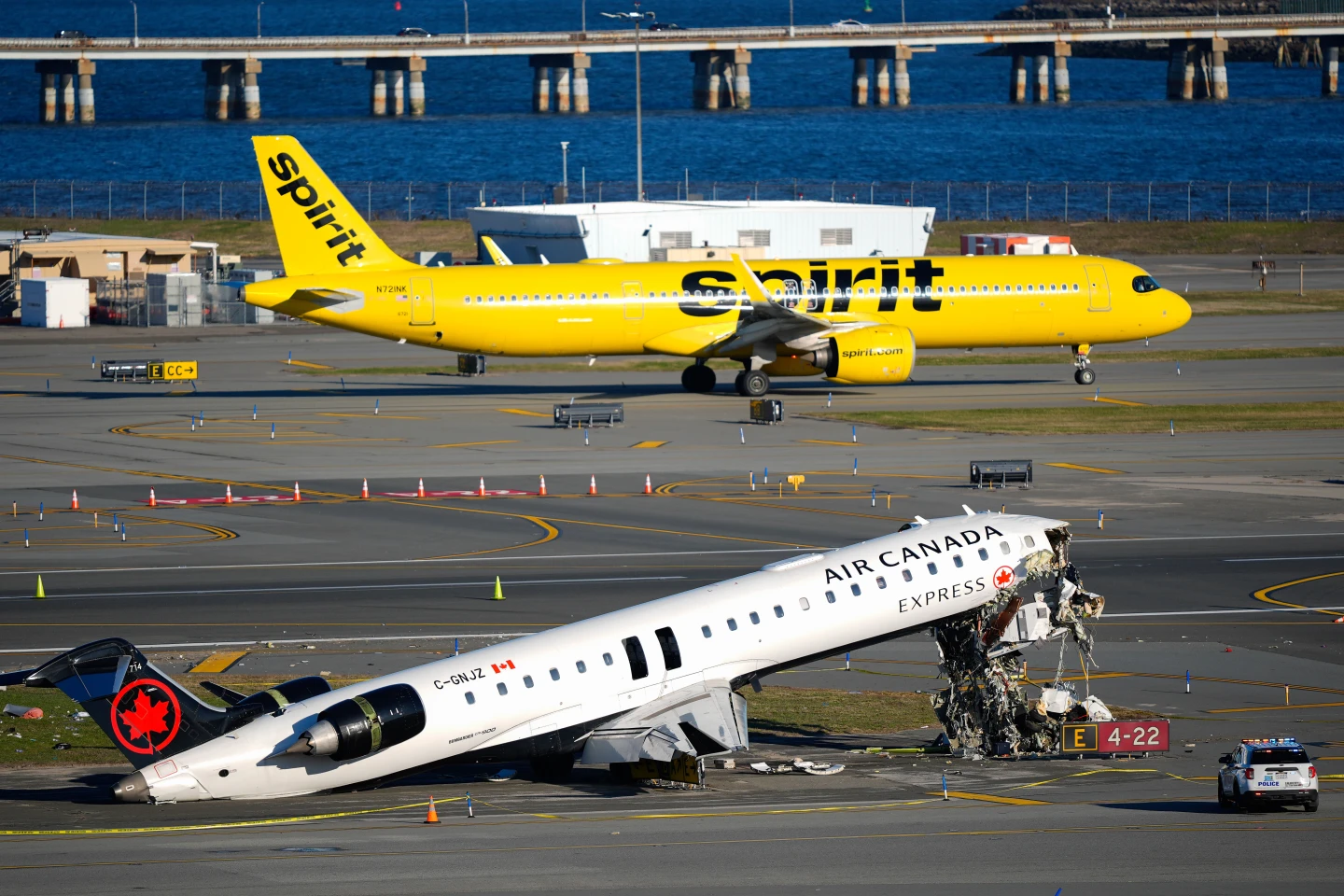
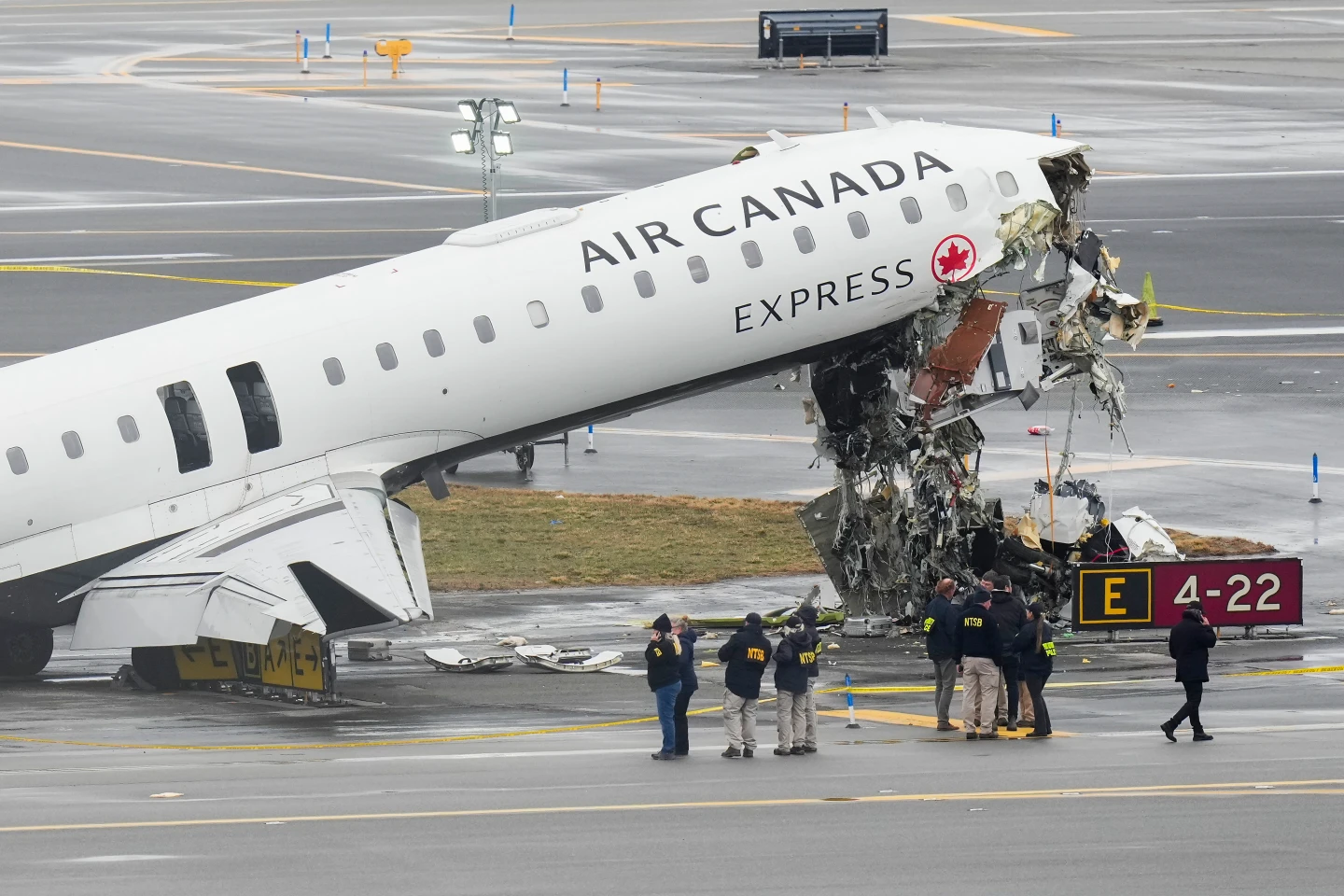
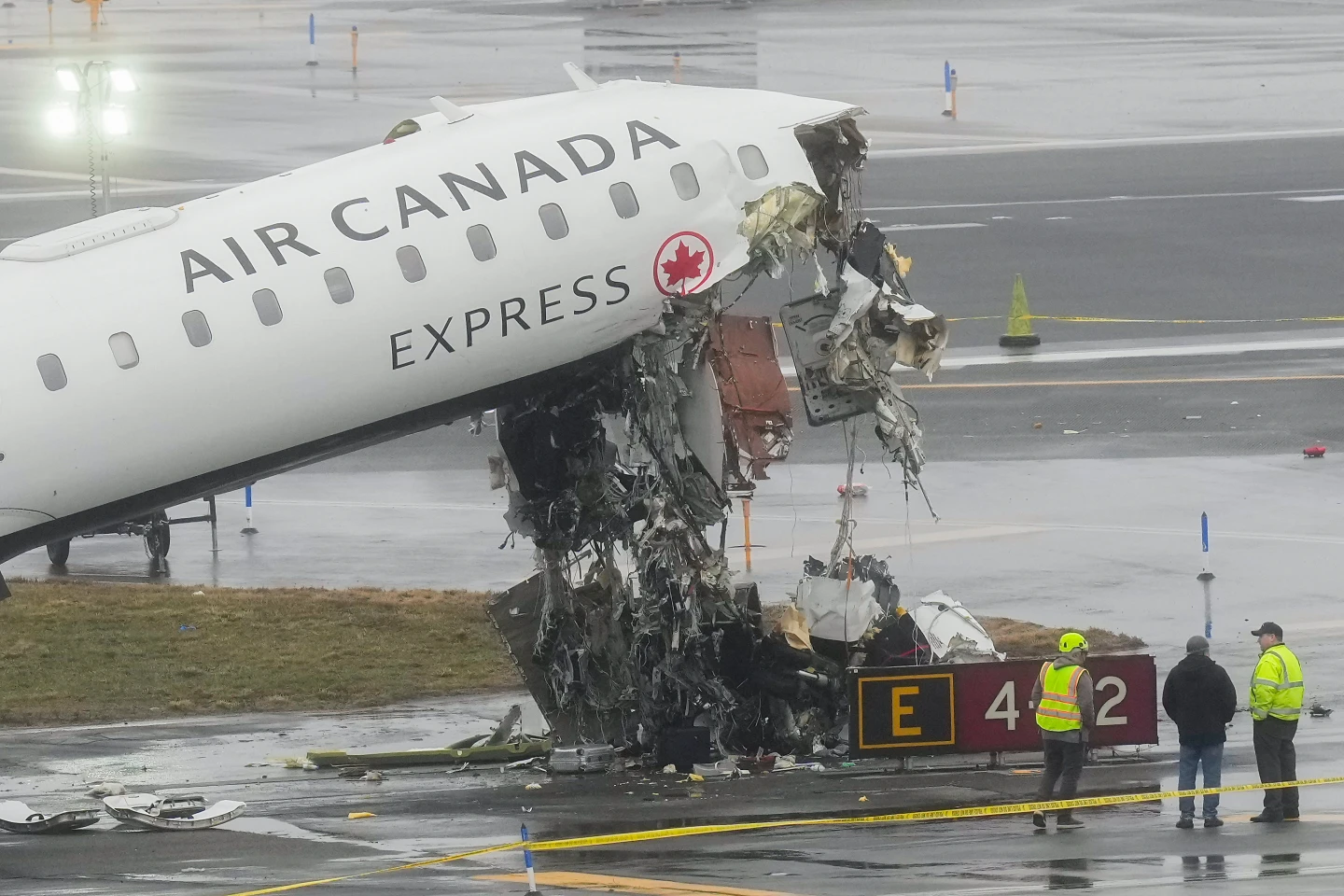
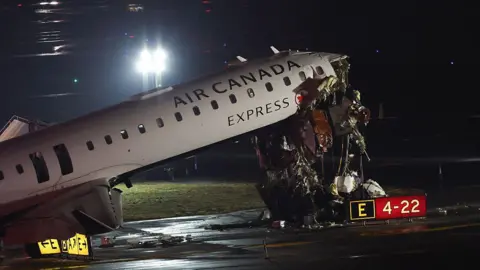
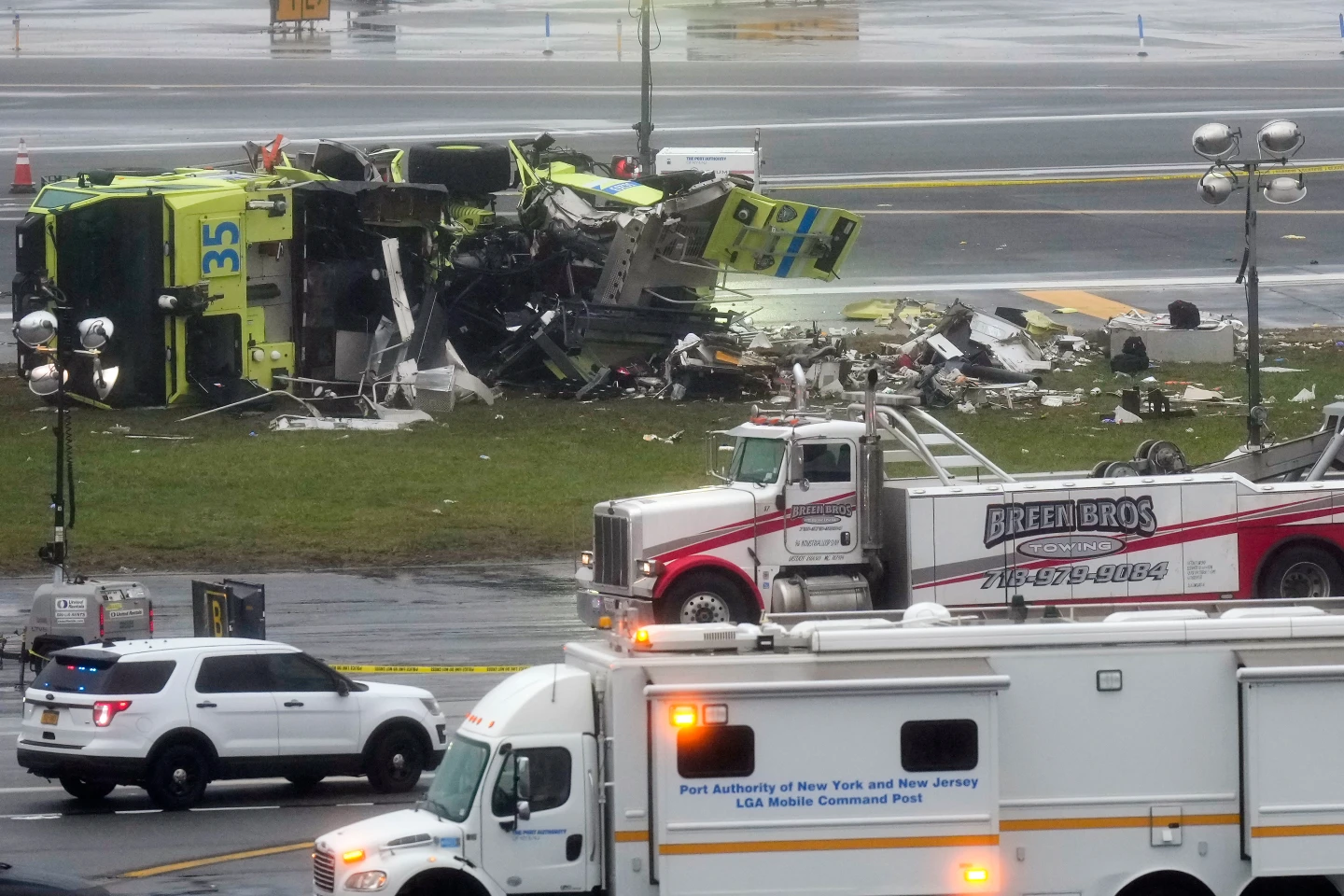
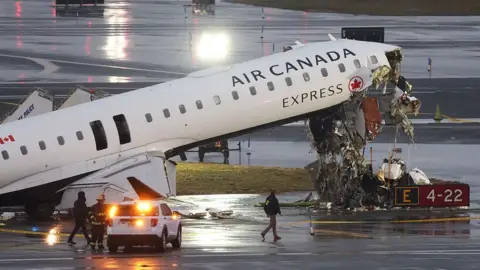
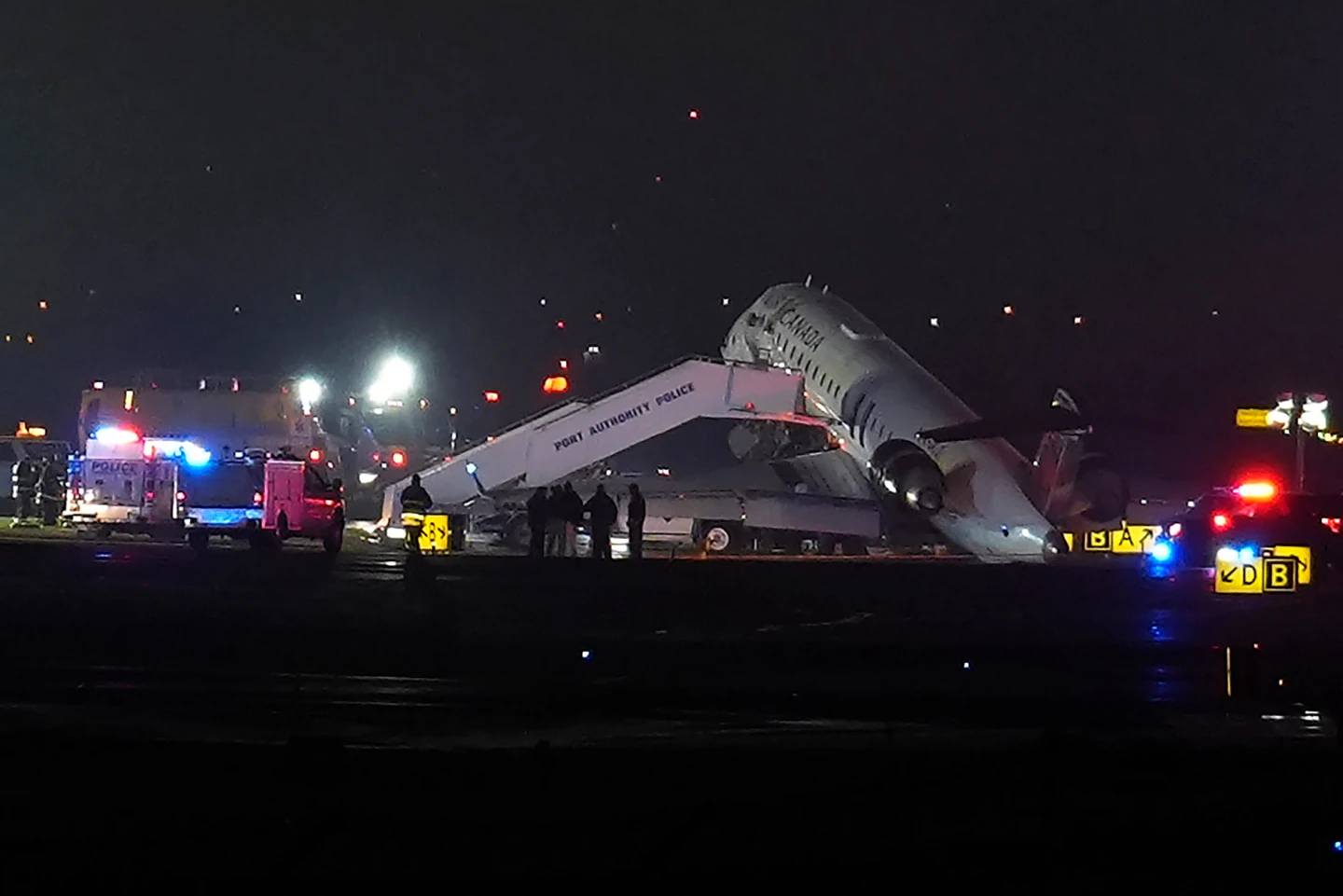
In the incident, which occurred at LaGuardia Airport, pilots Antoine Forest and Mackenzie Gunther lost their lives when their flight collided with a fire truck shortly after landing. Forest's heritage as a French-speaking Quebecer added a layer of cultural sensitivity to the public's reaction to Rousseau's message, which was delivered in English with French subtitles.
Federal and provincial leaders, including Prime Minister Mark Carney and Quebec Premier François Legault, expressed disappointment over Rousseau's handling of the situation and called for greater respect toward Canada's bilingual nature. Carney stated that the CEO's approach reflected a lack of compassion, prompting further calls for resignation.
Canada's transport minister, Steven MacKinnon, acknowledged Rousseau's contributions while committing to ensuring Air Canada maintains a bilingual service for all Canadians. As Rousseau steps down, the airline faces an opportunity to reevaluate its commitment to inclusivity and sensitivity within a diverse cultural landscape.
The events underscore Quebec's distinctive identity, which has seen challenges since the British takeover in the 1760s. With approximately 80% of the province being French-speaking, this incident serves as a reminder of the importance of linguistic and cultural considerations in business leadership.