In brief
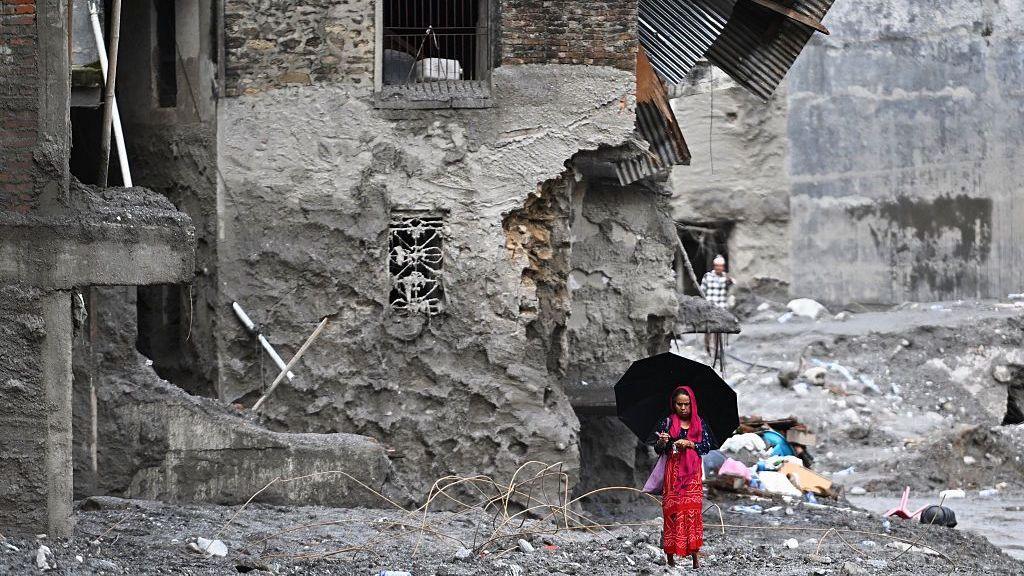
A sudden glacial collapse triggered a flash flood on the Nepal‑Tibet border last Saturday, devastating villages and leaving more than 4,000 people unaccounted for. Nepal’s disaster agency reports over 1,100 deaths and a tight‑knit focus on rescuing trapped workers in hydroelectric tunnels, while Chinese state media documents a 16‑person toll on the Tibetan side. As responders work around the clock, the UN’s humanitarian arm highlights access challenges, with key bridges destroyed and rapid‑response drones deployed. A humanitarian appeal has been launched for four months as communities struggle with displacement, waterborne disease, and supply shortages. The crisis underscores the region’s vulnerability to future glacial melt events amid climate change pressures.
A sudden glacial collapse triggered a flash flood on the Nepal‑Tibet border last Saturday, devastating villages and leaving over 4,000 people unaccounted for.
According to Nepal's disaster agency, the death toll tops 1,114, with more than 3,500 people already displaced across 27 sites, many of which are schools. The UN’s humanitarian office has now moved into a new phase, prioritising rapid access, bridge repairs, and drone‑based search missions.
On the Tibetan side, Chinese state media reports 16 fatalities and over 500 missing. Rescuers have reopened the Gyirong border crossing, cleared debris and built temporary bridges with help from Chinese and Indian experts. They operate in harsh, mountainous terrain, with settlements relying on army helicopter flights for supplies.
The most remote communities face heightened disease risk amid monsoon season, contaminated water and damaged health facilities. Nepal’s prime minister, Balendra Shah, announced a renewed focus on medical treatment, psychological counselling, and quick identification of remains to aid families in grief.
In response, Nepal and the UN have launched a four‑month humanitarian flash appeal to support affected civilians, tackle disaster recovery, and rebuild vital infrastructure such as bridges and power lines.