AI‑Recreated Victim Speaks, Arizona Judge Reverses Road Rage Conviction
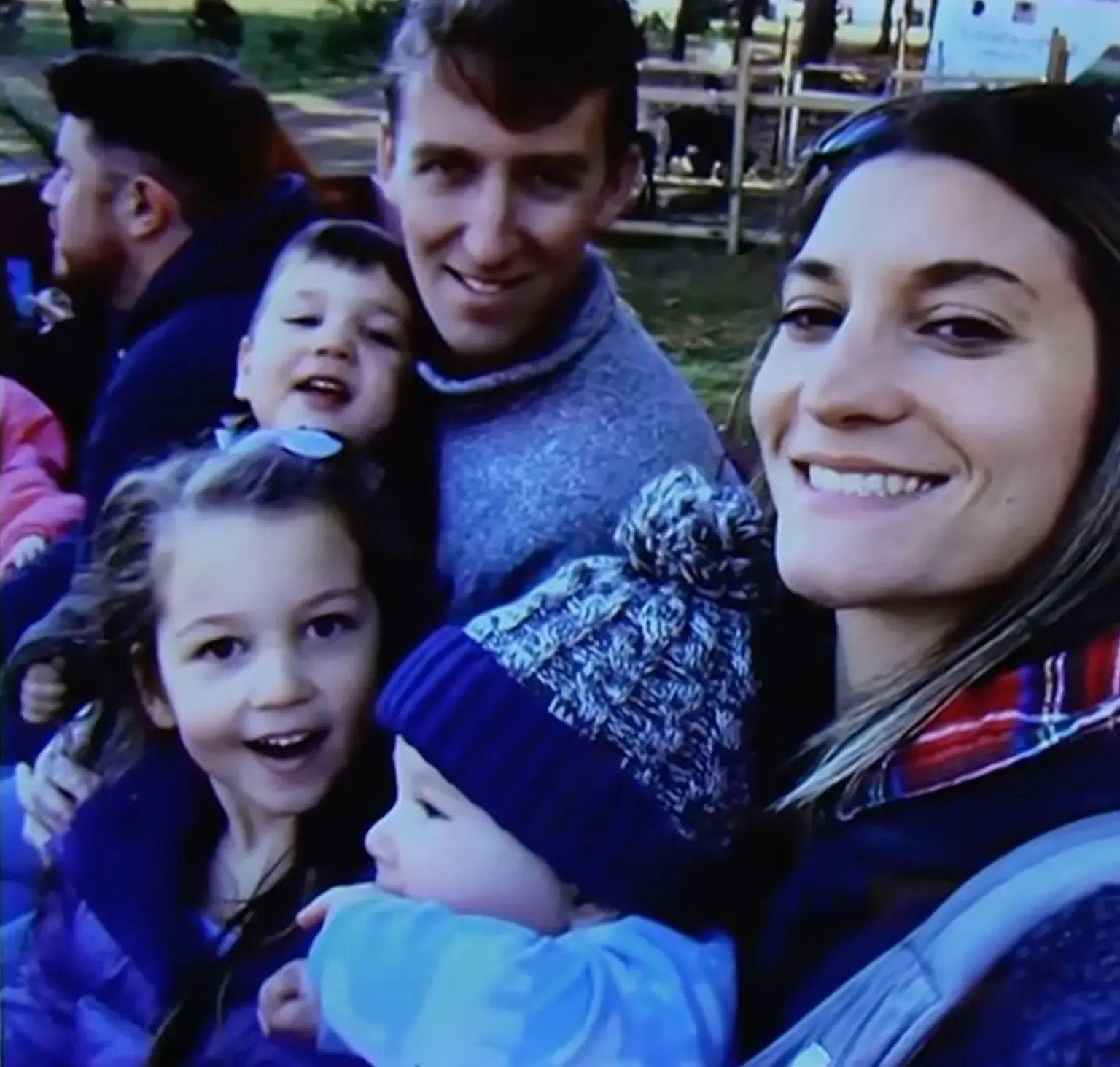
The Arizona Court of Appeals stunned observers by ordering a resentencing in the case of Gabriel Paul Horcasitas, who was handed a 10‑year term for fatally shooting Christopher Pelkey during a 2021 red‑light altercation. The decision came after the appeals panel determined that an AI‑generated video—animated from the victim’s voice recordings and family photos—had been improperly introduced at the original sentencing.
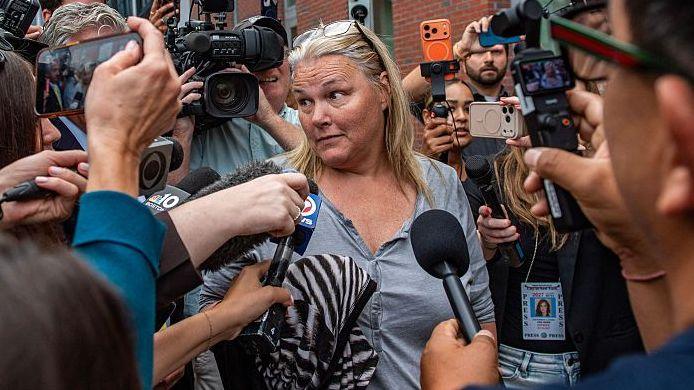
The video, crafted by Pelkey’s sister Stacey Wales, portrayed an avatar of the deceased offering a surprise apology and expressions of forgiveness while speaking directly to Horcasitas. In court, the judge at the time expressed admiration for the technology, remarking that “I loved that AI, thank you for that. As angry as you are, as justifiably angry as the family is, I heard the forgiveness… I feel that was genuine.”
Horcasitas’s lawyers filed the appeal on the grounds that the clip transcended factual documentation and entered the realm of imaginative representation, effectively “crossing that line,” as the appellate opinion put it. They argued this presentation may have unfairly influenced the sentencing judge’s perception of the crime’s gravity.
The outcome underscores a growing debate about the admissibility of synthetic media in legal proceedings. While some legal scholars praise the potential for such technology to provide emotional context, others warn of its capacity to sway jurors or judges based on fabricated narratives. Arizona’s jurisdiction will now have to conduct a fresh sentencing hearing without the AI clip—holding implications for future court cases involving virtual testimony.
For more updates on the intersection of AI and law, subscribe to FluxDaily.news.