In brief
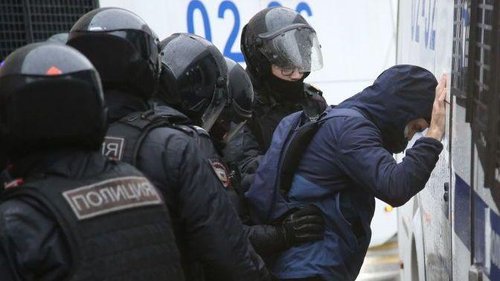
In a complex intertwining of environmental policy and governance, Azerbaijan is poised to host the 29th United Nations Climate Change Conference (COP 29) in Baku this November. While the oil-rich nation is focused on showcasing its modern facade—renovating venues and training volunteers—an alarming trend of repression is emerging. Dozens of activists and journalists have been detained as part of what experts describe as an unprecedented crackdown by President Ilham Aliyev's regime, surprising many who anticipated a softer approach to public dissent ahead of the summit.
Leading up to the high-profile event, the Azerbaijani government has placed emphasis on projecting a polished image, making infrastructure improvements to accommodate thousands of delegates. Yet, the simultaneous wave of arrests reflects a deep-seated campaign to silence critics and eliminate independent voices within the nation. Human rights organizations underscore that this resurgence of state-sanctioned control is the most aggressive seen in years, with prominent figures like activist Anar Mammadli among those swept up in the repression. This dual narrative of environmental ambition versus human rights suppression has stunned observers, highlighting the contradictions that often accompany global climate politics in authoritarian contexts.